History of US Immigration Policy: Summary of GRIID Class week #5 – Why people leave their countries to come to the US Part II – Climate Change and the Drug War
For anyone who could not join the class tonight or who couldn’t find time to be part of this class, I want to share a summary of what was discussed. I also want to provide links and resources for anyone who wants to do their own investigation on the history of US immigration policy.
As with each of the 8 weeks of this class we will rely on the Popular Education resource I created and update regularly. The Popular Education resource provides an important overview of this history, along with a list of books and online resources that can help us with developing a robust analysis of the history of US immigration policy and how to frame it.
In week #1 we relied heavily on the book, No One is Illegal: Fighting Racism and State Violence on the US/Mexican border, which look at the way that Mexicans, Chinese, Japanese, Jewish and even German immigrants have been treated since the mid-1800s.
In week #2 we the responded to the question about why so many immigrants were coming, especially those who were risking their lives to enter the US/Mexican border at unsanctioned border points.
For week #3 I focused heavily on the anti-immigrant narrative or the xenophobic narrative(s) about immigrants that politicians and US news media companies use when talking about undocumented immigrants.
In week #4 we talked about why people are taking the risk of coming to the US without documentation and what the root causes of displacement are. We all read an overview article on the history of US interventions in Central America and discussed the motives of the US government for their support of US corporate interests and regional control of Central America. We then did a more detailed account of the US History with Guatemala.
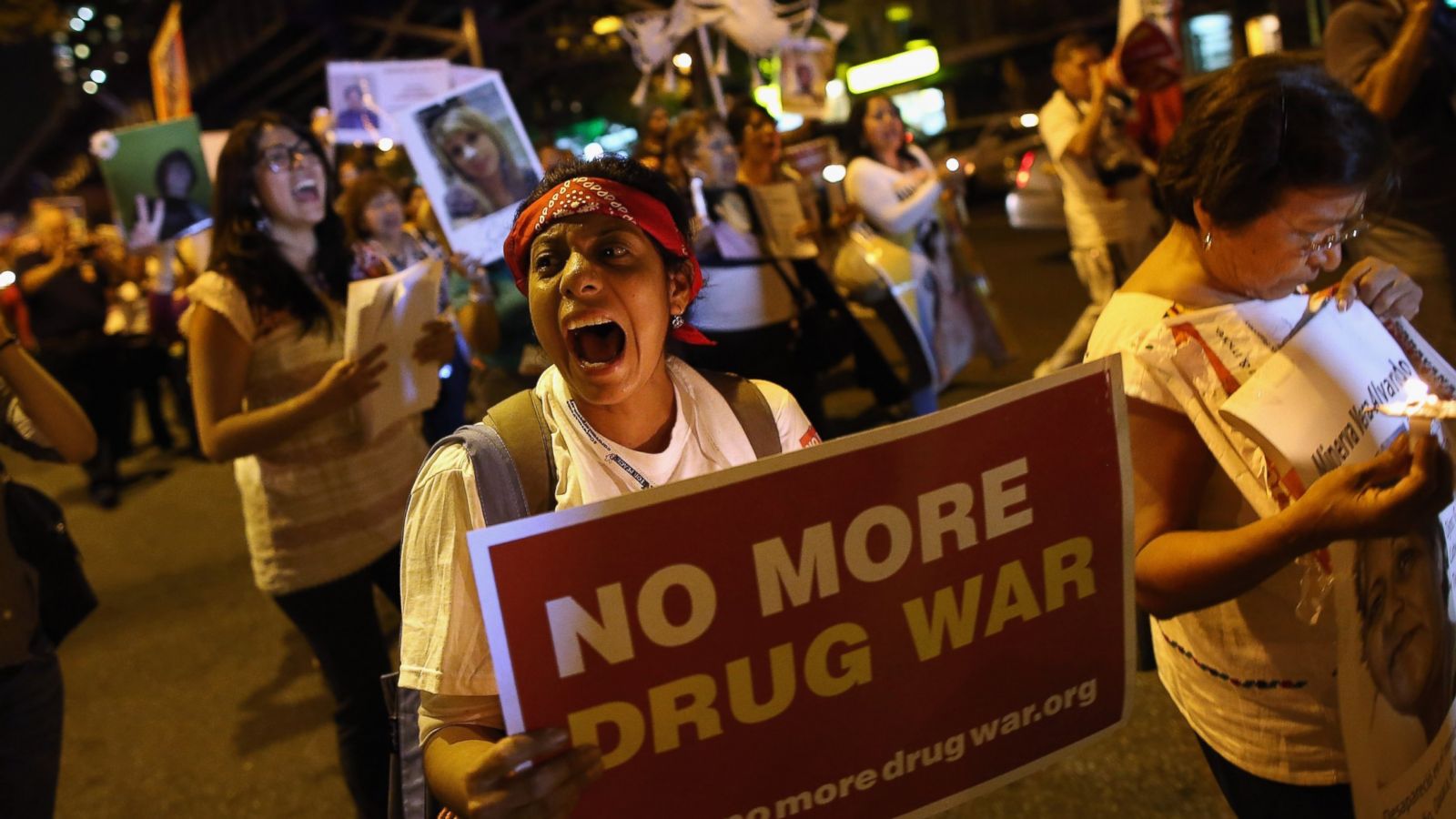
For week #5 we continued our discussion on the root causes of why people are fleeing Central America and Mexico and taking the risk to come to the US as undocumented immigrants. In week #4 we talked about the history of US foreign policy in that region, along with economic factors, but for week #5 we discussed Climate Change and the so-called War on Drugs as factors of displacement.
 First, we all read part of Todd Miller’s book, Storming the Wall: Climate Change, Migration and Homeland Security. We also read an interview with Miller about the same topic, but with additional information and analysis.
Second, we read an article from Dawn Paley, an article that beautify summarizes her book, Drug War Capitalism. Paley’s article is entitled, Militarization & Economic Transformation in Colombia & Mexico. In that article she states:
Reconsidering the so-called drug wars requires — in part — evaluating how they have encouraged the expansion of foreign direct investment and extractive industries in Colombia, Mexico and Central America.
Paley discusses how the US used the same model to fight the so-called War on Drugs in Mexico that was used in Colombia.
We ended the class by watching part of the documentary American Drug War: The Last White Hope, which discusses CIA involvement in drug trafficking in order to fund counterinsurgency warfare abroad.
Additional Resources:
Gary Webb Dark Alliance articles https://web.archive.org/web/19961220020436/http://www.sjmercury.com/drugs/stories.htm
National Security Archives – The Contras, Cocaine, and Covert Operations https://nsarchive2.gwu.edu/NSAEBB/NSAEBB2/index.html


Comments are closed.