Practicing immigrant justice: A critical assessment of the documentary Hope at the Gates
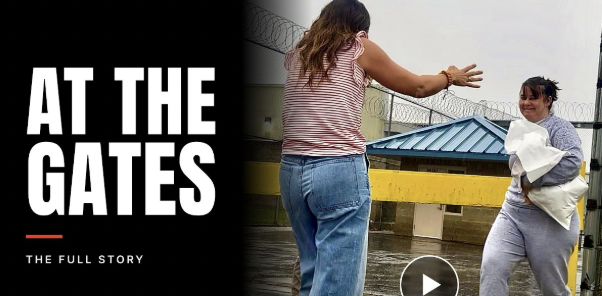
I have watched the short documentary Hope at the Gates several times now and I want to provide what I believe is an honest assessment of what is being communicated in the 12 minutes and 17 seconds long video.
Before I provide my critique I want to begin by say that I don’t know the people who made the short video or those who are a part of Hope for Neighbors. I appreciate and respect that people want to do something that support immigrant families that are being terrorized by Immigration and Customs Enforcement (ICE).
I understand this kind of intent, as I myself have been involved in immigrant solidarity work since the mid-1980s when the community I was part of (Koinonia House) became a sanctuary for political refugees from Guatemala that were fleeing the US funded counter-insurgency war in that country. After being part of the US Sanctuary Movement I did accompaniment work in Central America and Mexico on and off from 1988 – 2006, acting as a non-violent body guard for people that were receiving death threats from their own government. Since 2017, I have been part of GR Rapid Response to ICE, which is made up of allies that work directly with the immigrant-led group Movimiento Cosecha, where we resist ICE activity in Kent County and provide Mutual Aid to immigrants who have been affected by ICE terrorism.
What follows are my observations about the short film, some critical assessments and a few suggestions about how allies/accomplices can be part of practicing solidarity with undocumented immigrants.
- Hope at the Gates will definitely generate an emotional response from anyone who watches the video. Now, there is nothing wrong about wanting to generate an emotional response, but those of us who are not being targeted by ICE need to be careful that we do not speak on behalf of those most affected.
- The video provides some useful information about the GEO Group-run North Lake Detention Center in Baldwin, Michigan. However, there is a lack of analysis of that facility and the lived reality of those that are being detained there. For example, the video does not communicate the conditions at North Lake and how that affects those who are being detained there. It is vitally important that we talk about the structural violence at places like North Lake, along with the fact that those being detained organized a hunger strike last Spring to draw attention to the kind of treatment they were receiving. In addition, the video omits the fact that No Detention Centers in Michigan has been organizing with detainees at North Lake since 2019, thus giving the impression that what they are doing hasn’t been done before.
- There were several instances where people said that the majority of those detained at North Lake had no criminal record, which is problematic. For decades the US government has considered people entering the US without documentation as “bad” immigrants, as “illegal.” People who take the risk of entering the US without documentation are desperate and most of us have no idea what they have endured to even get here in the first place. We should avoid playing into the narrative that the US government created to paint undocumented immigrants as unworthy of being treated with dignity and respect.
- In the later part of the documentary, when Rev. Dale Dalman (Founder of Hope for Neighbors) is talking he says that he cannot change the legal system or change what is going in in Washington. This is a false narrative, because collectively we can change the immigration system and US Government immigration policy by actively resisting what ICE is doing and what private contractors like the GEO Group are doing. This video gives the impression that if we just provide material and monetary support to those being detained at North Lake, or provide transportation for people when they are being released then that is all we can do. Now, I agree with and support people contributing to commissaries, visiting with detainees, providing clothing and transportation when they get out. These are all important humane things to do, but we must simultaneously resist the abduction of immigrants by ICE, which is how people end up in North Lake to begin with.
- When those of us who are allies/accomplices take action to support immigrants being arrested, detained and deported by ICE it is vitally important that we interrogate our motives. One thing we should always ask is what kind of support or what can of solidarity can allies/accomplices provide and how is that being determined by the very people/communities who are being terrorized by ICE. In a statement that GR Rapid Response to ICE released in early 2026 they state:
More than any other criteria GR Rapid Response to ICE wants to make sure that we are centering the lived experience of communities that are most affected by the repression of Immigration and Customs Enforcement (ICE). We embrace and try to practice the Zapatista principle – We lead by following. As GR Rapid Response to ICE we believe it is vitally important that we follow affected communities, which is how we build trust, make connections and practice authentic solidarity.
Hope at the Gates doesn’t provide any indication that Hope for Neighbors is following the lead of affected communities, which is a crucial aspect of solidarity.
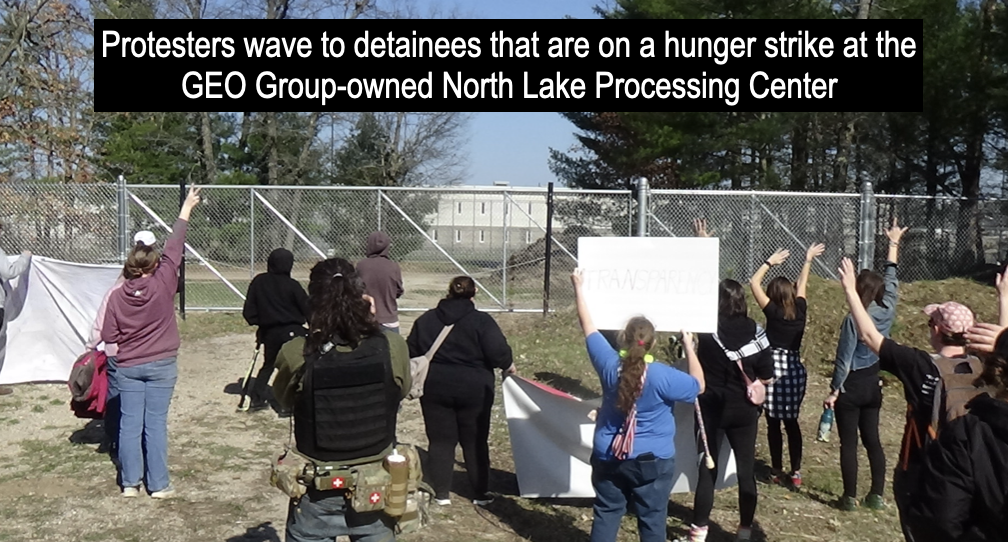
All social movements have their own ecology and it is never a question that we all do the same thing. Some groups might be more focused on direct resistance, while others on providing support to those most harmed. We also need to have a diversity of tactics in this doing this work and those tactics should be respected. However, movements are only effective if all tactics and strategies are being practiced and amplified. Hope at the Gates does not even acknowledge the importance of groups doing resistance work against ICE or private contractors like the GEO Group. Acknowledgement is important since it demonstrates that we understand the need for a diversity of tactics, but also because it open up so many new possibilities of what people can do beyond offering help.
Some suggestions
I would highly encourage people to watch another short video that provides an excellent introduction to the power of Mutual Aid. What distinguishes Mutual Aid from charity is that Mutual Aid not only understands the systems of oppression that cause harm that leads to support, but makes a commitment to actively oppose the very systems that caused the harm.
Maybe Hope for Neighbors would invite No Detention Centers in Michigan and other groups doing resistance work to have a conversation about how they can collaborate better and compliment each other’s work. We don’t all have to agree on all tactics, but we need to respect them, especially if the goal is to end the harm being done to immigrants by ICE.
For those who are in Grand Rapids, there will be a screening of Hope at the Gates on Sunday, January 31st at Fountain Street Church at 2pm. This would be a great time to have these kinds of conversations, even if they are uncomfortable, because this is what immigrant justice requires of us.


Comments are closed.