 Since the Tuesday morning Committee of the Whole meeting at City Hall, MLive has posted two articles dealing specifically with the issue of defunding the Grand Rapids Police Department.
The first article, posted in the afternoon of Tuesday, July 7, focuses on the proposal from 2nd Ward Commissioner Milinda Ysasi, to cut the funding to the GRPD by bringing it down to the 1995 City Charter mandated 32% of the budget, which would roughly reduce the GRPD’s budget by $9 million.
The same MLive article mentions that there were two other City Commissioners who had voiced support for defunding the GRPD – Jones and Reppart. The article then goes on to say that this proposed budget cut was opposed by City Manager Mark Washington, the Chief of Police and the Grand Rapids Police Officers Association.
The second MLive article, which was posted in the early morning hours of Wednesday, July 8 (updated later that morning), focused on the evening City Commission meeting and how the City officials undermined the democratic process failed to practice transparency and disclosure. Apparently, the City Attorney had made a ruling after the Committee of the Whole meeting Tuesday morning, determining that the City Commission could not vote on defunding the GRPD by an additional $9 million.
There were over 100 people who called in to comment on the proposal to defund the GRPD, with many more waiting to comment that the city did not get to. What is instructive about the meeting last night was that the City Attorney, the City Manager and Mayor Bliss all knew that the Commission could not vote on this matter, but failed to reveal such information at the beginning of the meeting. Such a display of subterfuge, once again demonstrated how the City of Grand Rapids is not interested in participatory democracy.
Over the past month, there has been an ongoing call for Defunding the GRPD, from people in the streets to the more formal campaign that has taken place in recent weeks. There are numerous groups that have taken an active role in calling for a Defunding of the GRPD, such as the NAACP, the Urban Core Collective, Equity PAC, Together We Are Safe, the People’s Budget GR, Movimiento Cosecha GR, the Grand Rapids Area Mutual Aid Network and GR Rapid Response to ICE. In fact, there hasn’t been this many groups working on a singular issue for some time now in Grand Rapids.
Unfortunately, consumers of MLive or the local TV news might not be aware of the fact that a social movement is behind the Defunding the GRPD campaign, since none of the four major news outlets – MLive, WOODTV8, WZZM 13 or WXMI 17 – bothered to mention these groups in their coverage from Tuesday or this morning. It was reported that 2nd Ward City Commissioner proposed the budget cuts (for which I am grateful), but this was a direct result of getting thousands of messages from people demanding the GRPD be defunded. The failure of the local news to report on this fact and to frame the proposal to defund the GRPD not only dismisses the voices of those organizations, it sends the message to news consumers that change happens because politicians initiate something, which is rarely the case in US history. Those involved in the Defund the GRPD campaign, lots of hours, numerous meetings and organizing their circle to send messages to City officials, that is reason why a proposal to Defund the GRPD was even on the table.
Social Movements and Political Moments: Recognizing the political openings in Grand Rapids and Beyond
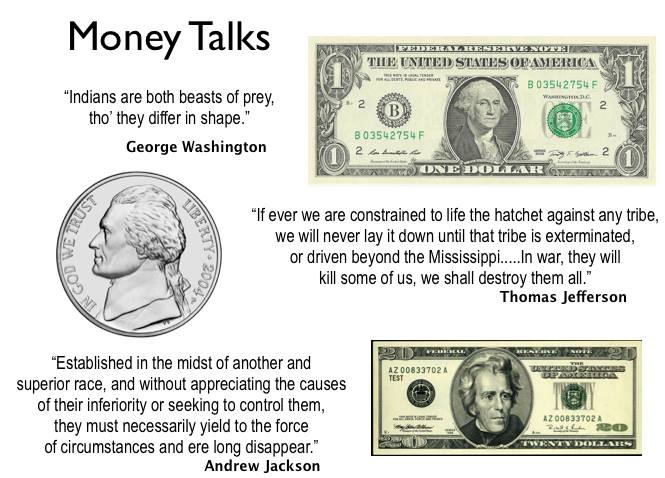 It is understandable right now for people to feel overwhelmed and frustrated. This frustration can be felt on the national level, with the federal government’s complicity in so much harm and corruption. You can see it at the state level, with a GOP-dominated legislature attacking the Governor and attempting to re-establish the primacy of capital and the private sector.
In Grand Rapids, the pandemic has exposed the deep levels of inequity and racism, with so many Black and latnix families struggling to survive, with high rates of unemployment and lack of access to affordable health care and housing. The disparities have become even more evident since the uprising that began on May 30th, when thousands of people descended on downtown Grand Rapids to protest the public lynching of George Floyd.
However, since May 30th, there are a great deal more opportunities to have serious conversation about structural racism, about exploitation, reparations and other economic priorities. Who would have thought that just a few months ago, that Grand Rapids would be having a serious conversation about Defunding the GRPD, about school funding cuts, about undocumented immigrants and about the power structure in this community?
As someone who has invested a great deal of time studying the history of Grand Rapids and social movements, it is my contention that the main reason that we are able to have serious conversation about systemic issues, is because of all the groundwork that has been laid by various social movements in this community.
There are tremendous political, economic, social and cultural openings right now, in this moment, that we have not seen in recent years. Good community organizers, those doing work on the ground and around critical issues will tell you, that we need to seize this moment and build on it for the work ahead.
Black Lives Matter has forced us to look at how White Supremacy permeates our culture, our politics and our economy. This work, which has led to a call for a national Defund the Police, campaign, is rooted in the importance of coming to terms with the history and practice of policing in the US. The work of indigenous activists in recent years, whether we are talking about Standing Rock or the recent resistance to Trump’s visit to Mount Rushmore, has been due to the work that First Nation’s people have done to get the rest of us to think about White Settler Colonialism and genocidal policies in the US.
I just think it is important for us to think about this current political moment and to recognize that it is a direct result of the long standing social movements from the 19th century Abolitionist movement to Black Lives Matter, from the American Indian Movement to NoDAPL, from the United Farm Workers movement to Movimiento Cosecha, and from the 1911 Furniture Workers Strike in Grand Rapids to the current push for social justice, equity and participatory democracy. This is a critical moment in Grand Rapids right now, making it extremely important for people to get involved in the current social movements.
What follows are a list of books that people might find helpful in this political movement/moment to call for greater collective liberation.
For those wanting to explore the larger context around the graphic above, I would suggest a few foundational books:
- A People’s History of the United States, by Howard Zinn
- Lies My Teacher Told Me, by James Loewen
- An Indigenous People’s History of the United States, by Roxanne Dunbar Ortiz
- An African America and Latinx History of the United States, by Paul Ortiz
- A Queer History of the United States, by Michael Bronski
- How Race Survived US History: From Resettlement and Slavery to the Obama Phenomenon, by David Roediger
- The Half that Has Never Been Told: Slavery and the Making of American Capitalism, by Edward Baptist
- How Capitalism Underdeveloped Black America, by Manning Marable
- Prejudential: Black America and the Presidents, by Margaret Kimberley
- Taking Children: A History of American Terror, by Laura Briggs
- Lies Across America: What Our Historic Sites Get Wrong, by James Loewen
For information of Grand Rapids
- African Americans in the Furniture City: The Struggle for Civil Rights in Grand Rapids, by Randal Jelks
- A City Within a City: The Black Freedom Struggle in Grand Rapids, Michigan, by Todd Robinson
Also, check out the Grand Rapids African American Museum and Archives https://www.graama.org/ and the Grand Rapids People’s History Project https://grpeopleshistory.org/
Grand Rapids, Statues and White Supremacy
 For more information on some of the statues that exist in Grand Rapids, check out the section entitled, Lies Across Grand Rapids, from the Grand Rapids People’s History Project.
There has been a great deal of public conversation in the weeks following the public lynching of George Floyd by a Minneapolis cop, around the issue of white supremacy and symbols of white supremacy.
People have been pulling down statues all across the country and the current political climate has now opened up social, political and cultural spaces for communities all over to take similar actions to remove statues that reflect White Supremacists leaders or values.
If Grand Rapids was to take inventory of statues that support white supremacy, what might we find?
Like most cities, there is no shortage of statues in Grand Rapids, most of which are to honor certain individuals or specific events in history. There have been several new statues added in recent years, based on a project that has been spearheaded by a member of the Grand Rapids Power Structure, Peter Secchia.
However, maybe a good place to start would be to look at the statue that resides in the little pocket park located at the intersection of Cherry, State and Madison streets. The statue is of a generic US soldier who fought in what is generally identified as the Spanish American Wars.
These wars began in 1898, and were for the purpose of US imperialist expansion, where the US militarily occupied Puerto Rico, Cuba and the Philippines. In fact, in the case of all three of these countries, the US had never left and continues to either control them politically – as in the case of Puerto Rico, which is now a US colony; and economically – as is the case with all three countries, although with Cuba the US has been waging economic warfare since the 1959 Cuban Revolution.
The plaque that accompanies the Spanish American Wars statue uses words like freedom, patriotism and humanity, but despite the idealistic rhetoric on the plaque, the US engaged in racist military occupations that resulted in the murder of communities of color in each of those countries, with the most violence taking place in the Philippines, because of the insurrection that ensued to fight the US occupation.
According to Alfred McCoy’s book, Policing America’s Empire: The United States, the Philippines, and the Rise of the Surveillance State, the US killed 200,000 civilians in the Philippines. McCoy also cites a US General who commented:
It may be necessary to kill half of the Filipinos in order that the remaining half of the population may be advanced to a higher plane of life than their present semi-barbarous state affords.
In each case, the US military legacy has left a bloody, racist path that continues to impact the Philippines, Cuba and Puerto Rico today.
A second statue that should be considered for removal because it normalizes white supremacy, would be the statue that sits in Cathedral Square, by St. Andrews Catholic Church. The statue is that of Bishop Baraga and is also part of the Community Legends project headed by Peter Secchia.
Bishop Baraga is credited with bringing Catholicism to Grand Rapids, but his real work was in his efforts to convert the Ojibway people throughout what is now called Michigan.
Baraga’s interaction with the Ojibway people also paved the way for genocidal policies that Europeans have implemented over the past 150 years in this area.
Those policies include the outright killing of Native people, stealing Native lands, forced relocation and taking Native children from their communities to put them in boarding schools, something the Catholic Church did in Michigan. The history of these boarding schools included denying Native children to speak their language, dress in traditional clothing, subjected to Christian teaching and also physical and sexual abuse, as is well documented in Kill the Indian, Save the Man: The Genocidal Impact of American Indian Residential Schools.
Native American scholar George Tinker, author of the book Missionary Conquest: The Gospels and Native American Genocide, refers to Christian missionaries to Native Nations as “partners in genocide.”
Tinker goes on to describe the significance of White missionaries this way:
Told from an Indian perspective, the story is far less entertaining and much less endearing. Pain and devastation become dominant elements as Indian anger erupts to the surface. Indeed, today the white missionary, both in the historical memory of Indian people and in the contemporary experience, has become a frequent target of scorn in most segments of the Indian world. Many implicitly recognize some connection between Indian suffering and the missionary presence, even as they struggle to make sense not only of past wrongs, but also of the pain of contemporary Indian experience. The pain experienced by Indians today is readily apparent in too many statistics that put Indians on the top or bottom of lists. For instance, Indian people suffer the lowest per capita income of any ethnic group in the US, the highest teenage suicide rate, a 60% unemployment rate, and a scandalously low longevity that remains below sixty years for both men and women.
Not surprising, such commentary did not accompany the unveiling of the Baraga statue in the summer of 2012. The lack of this kind of critical voice or perspective reflects how deeply ingrained the dominant culture, a culture of conquest and settler colonialism, is in this country and this community.
This is the legacy of Bishop Baraga, however well intentioned he was, since his commitment to converting the Ojibway paved the way for the harsh policies that followed.
A third statue to consider for removal is the statue in front of the Van Andel Arena that honors Amway co-founder, Jay Van Andel. Van Andel, like his Amway co-founder Rich deVos, funded numerous rightwing groups, both religious and secular.
At the national level Van Andel funded the Heritage Foundation. They wrote the incoming Reagan administrations policy guide Mandate for Change that advocated the elimination of Food Stamps, Medicare, child nutritional assistance, farm assistance, legal services for the poor, and the repeal of a $1,000 tax exemption for the elderly – all policies which disproportionately impacted Black communities.
Jay Van Andel was deeply involved in the largest pro-business lobbying group in the country, the US Chamber of Commerce. In fact, Van Andel was Chairman of the national group for a period of time. The Chamber, which often likes to present itself as a defender of the small business owner, is one of the largest electoral contributors in the nation. According to Open Secrets, the US Chamber has spent $1.2 billion on lobbying since 1998.
In addition, the US Chamber of Commerce has been one of the most consistent climate deniers in the country and has fought hard against any policy that supports working class people. The Chamber has opposed efforts to get paid sick leave policy passed and numerous other pro-worker policies. As Chairman of the US Chamber of Commerce, Van Andel made sure that whatever policies were being decided in Washington, they needed to benefit the capitalist class that he was a part of. Again, these are all policies that disproportionately impact Black, latinx and indigenous communities.
Maybe the least known of the groups that Van Andel was deeply involved with, was the National Endowment for Democracy, also known as NED. NED was created during the Reagan years as a mechanism to push neoliberal economic policies around the world and funding governments or political parties that would best serve the interest of the US. Allen Weinstein, who helped draft the legislation establishing NED, was quite candid when he said in 1991: “A lot of what we do today was done covertly 25 years ago by the CIA.”
Jay Van Andel was on the Board of Directors of the National Endowment for Democracy and served in that capacity while the NED was funding death squad governments in Central America, funding opposition parties in Nicaragua and supporting pro-US dictatorships throughout Latin America, Africa and the Middle East.
These are just three examples of statues that could be removed from Grand Rapids, because of their endorsement of White Supremacist values. Many more could be, and should be, considered for removal.
On Thursday night, WOODTV8 ran a story that was essentially free air time for the group known as the Michigan Liberty Militia.
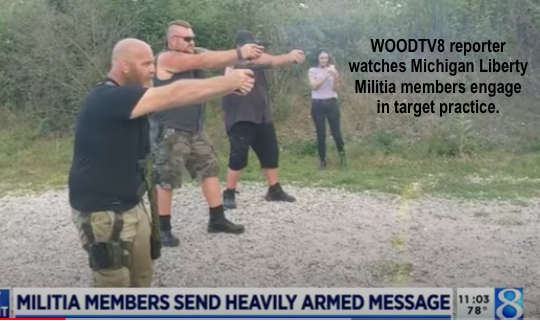
The Michigan Liberty Militia is a group of armed White men who have come to the anti-lockdown protests in Lansing and Grand Rapids since April, as well as having a presence at several Black Lives Matter rallies and the protest against the Civil War monument in Allendale, Michigan.
Here is a link to the story that WOODTV8 aired on Thursday night:
This story was a clear example of poor journalism. First, there is no evidence that the channel 8 reporter even bothered to ask substantive or obvious questions that any reasonable person would ask when inquiring about a group like the Michigan Liberty Militia. Secondly, the reporter did not bother to do any background check on this group or the person they interviewed for the story, Phil Robinson.
The Michigan Liberty Militia Facebook page would have been an obvious place to start, but the WOODTV8 reporter didn’t check that site, which is filled with self promotional posts about how the Michigan Liberty Militia are really “constitutionalists” and that “they are committed to protecting people’s freedom to protest”. Such proclamations are nothing more than a diversion to the real reason that groups like the Michigan Liberty Militia have formed, which is to defend systems of power and privilege, particularly White Supremacy. What I mean by White Supremacy, is based on the definition that long-time anti-racist organizer Elizabeth Martinez uses:

The channel 8 reporter could also have looked at the Facebook page of Phil Robinson, which is even more revealing the MLM page. For example, Robinson posted a news story about the protest organized by indigenous people attempting to prevent President Trump from coming to Mount Rushmore for a rally. The video Robison posted was not from those protesting, but from Right Side Broadcasting, which is a far right news group that is blatantly pro-Trump.
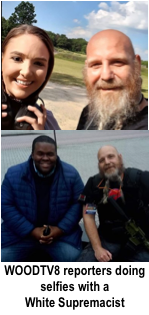
Interestingly enough, Robinson took a selfie of himself and the WOODTV8 reporter the day of the interview, just like he did with another channel 8 reporter, Leon Hendrix, while attending the anti-lockdown rally in Grand Rapids in May. The organizer of that rally in Grand Rapids and several of the anti-lockdown protests in Lansing is Ryan Kelly, who is very connected to Phil Robinson.
Ryan Kelly writes for the blog that the American Patriot Rally hosts. In a post that was critical of the recent Black Lives Matter rally in Lansing, it states:
“Phil Robinson, of the Michigan Liberty Militia, a group known for protecting citizens and businesses from BLM and Antifa rioters.” In that same post, the writer referred to Black organizers as “gang bangers.”
There is no evidence that Robinson does what the above statement says, but it is clear that Robison and Kelly do not support Black Lives Matter and antifa protestors. Kelly also asked Robinson and his fellow MLM members to come to Allendale to intimidate people who came to protest the Civil War monument in Allendale. Kelly sits on the Planning Commission for Allendale and has pressured Allendale officials to not remove the monument, despite its racist implications.
 Another reason why the story is so bad is the fact that, if you could imagine Black community members in Grand Rapids would always come to protests, fully armed and stating that they were merely there to protect everyone’s right to protest. Do you think that WOODTV8 or any other commercial news source would not question Black people showing up with guns, especially if most of the protesters were white? This is exactly why this story is so disingenuous, because WOODTV8 can’t see how they practice White Privilege here. White guys who are heavily armed are not really questioned, but Black guys showing up with guns would be more than channel 8 and most of society could handle.
Now, for reasons that are not clear, WOODTV8 did a follow up story on July 3rd, based on feedback from the Michigan Attorney General’s office, calling into question the motives of the Michigan Liberty Militia. Here is the content of the story at this link.
While the revised story is better, the WOODTV8 page still contains the written content from the original story from July 2nd. More importantly, WOODTV8 never apologized for running such a bias and unsubstantiated story that was aired in the West Michigan market, with hundreds of thousands of viewers.
This isn’t the first time such a story was aired on WOODTV8. In 2017, they aired a story about a local White Supremacist who claimed he wasn’t racist, even though there was plenty of information that demonstrates he has a history of being part of a Neo-Nazi group.
We are asking people to contact WOODTV8 and tell them that the story they aired was a poor excuse for journalism, with unsubstantiated claims, and it provided a free platform for a White Supremacist group. Demand that WOODTV8 make a formal apology, especially to the Black community, on air, and during an evening news broadcast, then remove any version of the original story from their website and any other platform it may be on.
Help us pressure WOODTV8 with these demands by going to this Action Alert.
Grand Rapids Youth Employment Program is an insult to the community in the midst of calls for Defunding the GRPD
 The current Black Lives Matter uprising that has been going on across the US, is also taking place in Grand Rapids. The May 30th protest in Grand Rapids, was a culmination of the collective rage and frustration of thousands in this community, but it also exposed how the City of Grand Rapids really deals with issues like equity and racial justice.
The City of Grand Rapids used overt force to suppress the May 30th uprising, then brought in the Michigan National Guard and instituted a curfew for two days. Since then, there have continued to be marches, protests and vigils, which have been trying to center the lives of Black people in this community, particularly around the Black community’s experience with policing.
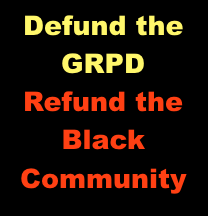
In addition, there has been a major call for Defunding the GRPD and a Refunding of the Black community. The groups that have been calling for a Defunding of the GRPD are LINC, the NAACP, Urban Core Collective, The People’s Budget GR, Together We Are Safe, Movimiento Cosecha GR, GR Rapid Response to ICE and the Grand Rapids Pride Center. This collective effort has generated thousand of e-mails and calls to City officials, with an emphasis right now on reducing the police budget to the 32% 1995 City Charter mandate.
If the City of Grand Rapids would reduce the current GRPD budget to the 32% level, that would be about a $9 million reduction. The Defund the GRPD campaign has also been calling for a Refunding of the Black community, which would not only be a first step to promoting equity and racial justice in Grand Rapids, it would acknowledge the decades-long disinvestment in neighborhoods with the highest percentage of Black residents.
Instead, Grand Rapids officials have responded by calling for mild police reforms, increased police training and a youth employment program. It is as if City officials are actively ignoring the calls for Defunding the GRPD. In fact, they are actively ignoring these calls for Defunding the GRPD.
Grand Rapids City officials are digging their heals in on the matter of policing, by calling for yet another Community Police Advisory Council, which is nothing more than a way to pacify people into thinking that resident input will be heard. However, what is most insulting is the City’s youth employment program, which has already closed their application process.
The City’s Youth Employment Program, also known as GROW 1000, is a, “Public-private partnership offers young people new skills, career exploration, professional connections.” When they say public-private partnership, they mean that the City will direct youth to the very businesses that make up much of the Grand Rapids Power Structure.
• Amway Corp.
• Autocam Medical
• Blue Cross Blue Shield of Michigan
• Brian Harris
• Cascade Engineering
• Crystal Flash
• CWD Real Estate Investment
• DeVos Foundation
• Feyen Zylstra
• Grand Valley State University
• Huntington Bank
• JD Loeks
• Jireh Metal Products
• Kent County
• Meijer
• Metro Health
• Mixed Staffing & Recruiting
• OST
• PNC Bank
• Rockford Construction
• SeyferthPR
• Steelcase
• Trillium Investments
• Warner Norcross + Judd
• Wege Foundation
• Windquest
• Wolverine Worldwide
This youth employment program is targeting 15 – 21 year olds who live in the City of Grand Rapids, for a 120-hour work experience, where youth will make $10 an hour. So, the City wants to channel youth, particularly Black youth, to do work for an insultingly low wage, at jobs with private entities that are deeply invested in maintaining business as usual politics in Grand Rapids.
Now, I’m all in favor of providing opportunities and jobs to youth, particularly Black youth in this city. However, if the City would actually listen to the calls for Defunding the GRPD and Refunding the Black community, there would be a whole different dynamic that the current youth employment program, which seems at best a form of tokenism.
If the City of Grand Rapids would heed the calls for Defunding the GRPD and Refunding the Black community, imagine how $9 million – which the City could Refund to the Black community this year, if they reduced the police budget to the 32% City Charter mandate – could impact the lives of Black residents.
What if $9 million was allocated for Black Youth employment? And I don’t mean through the Neo-Liberal Capitalist Public-Private partnership, but a youth employment program that the City could run to provide skill building opportunities for Black youth in Grand Rapids.
First of all they could pay Black youth $20 an hour and provide them with full employment. Second, the City would create employment opportunities that would pay Black youth to learn how to grow food in an urban setting, say on the dozens of vacant lots that the City currently owns throughout the city. This urban agricultural program would not only teach youth important life skills, but provide fresh produce to neighborhoods that are currently experiencing a form of food apartheid. Imagine what an urban agriculture program could do to impact the health of Black residents and provide an opportunity for Black youth to engage in work that would be life-affirming and potentially transformative.
However, what is most important in the Defunding the GRPD, Refunding Black communities effort that thousands of people are calling for in this city, is that the Black community would have total control over what to do with the funds that are taken from the GRPD budget. It would also be a radical departure from the insulting City Youth Employment Program, which is unimaginative and it just exposes Black youth to City businesses that are deeply committed to maintain structural racism in Grand Rapids.
Black Queer and Black Trans organizers push the Grand Rapids Pride Center to own its participation in White Supremacy
 The Black Lives Matter Movement began years ago, but the recent police murders of Black Lives has re-energized the movement with sustained uprisings across the US since the death of George Floyd.
This movement has also produced a younger generation of freedom fighters that are no longer content with reformist agendas nor the politics of respectability. Many of these Black, Queer and Trans organizers are also rooted in an intersectional analysis, which makes their work more comprehensive and more dynamic.
Another thing that the current Black Lives Matter uprising has done, is the it has provided tremendous opportunities to push for more transformational politics, more collective liberation and more radical imagination.
One clear example of this practice of collective liberation is the action that several activist/organizers in Grand Rapids engaged in recently to challenge the Grand Rapids Pride Center to not perpetuate White Supremacy in the work they do.
Five activist/organizers – Samantha Przybylski, Nate Bentley, birdie duka-tutambe, Titus Hankins and Kyn (Chief) Ewing – sent the following letter to the Grand Rapids Pride Center:

The letter also included a powerful video action on the same day that the letter was sent.
After just a few days, the Grand Rapids Pride Center released their response and commitment to honor the demands included in the letter. You can read what actions the Grand Rapids Pride Center have already taken and future action plans, which are a direct response to the letter.
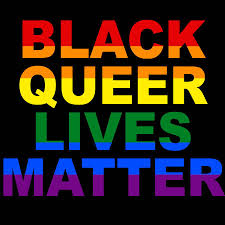 Now some will say that the Grand Rapids Pride Center should be saluted for responding so quickly to the demands. We do affirm their willingness to make important changes, but it is also important for all of us and the organizations and movements we are part of, to do this work without having to be told to do it. We can’t just stay in our silos doing the work we set out to do, we have to do the important, intersectional work that the Black Queer and Trans organizers have modeled for the rest of us.
Shortly after the Grand Rapids Pride Center began their process of making commitments to the demands listed above, the same activist/organizers sent a follow up letter to the Grand Rapids Pride Center, which we include here below. This is the power of Direct Action!!!
Dear Board of Directors and Staff of the Grand Rapids Pride Center,
On June 22nd, 2020 our group gathered to demand that the Grand Rapids Pride Center stand in solidarity with the Black Lives Matter movement by committing to the requests of Black LGBTQ+ members of this community. In the letter, we made the following demands:
1. The GRPC will commit to no cops participating in Pride ever again.
2. The GRPC will make a public statement saying explicitly BLACK LIVES MATTER.
3. The GRPC will add at least one Black person to the board of directors in the next 90 days.
4. The GRPC will contact all Pride 2020 sponsors and request that they make a donation of at least $100 to The Okra Project or Trans Sistas of Color Project – Detroit.
• We also called for the Grand Rapids Pride Center to support the defunding of the Grand Rapids Police Department to its charter mandated 32% of the City of Grand Rapids’ budget.
The Grand Rapids Pride Center has responded to our demands via grpride.org/cap. We understand that you have seen and committed to our demands and have added your own. Specifically, for demand #3, we are able to provide a list of potential board members to contact in order to reach this goal within 90 days. Our group looks forward to seeing the completion of action steps specifically around the demands we made.
Do not forget that this work is being done due to the labor of Black Queer and Trans individuals in our community. These individuals deserve to be credited and compensated by the GRPC. This compensation can be sent via Cash App to $birdietutambe and will be shared among the organizers.
To our LGBTQ+ family and allies –
We have seen you view our Facebook Live over 1,000 times. We have seen you share our demand letter over 100 times. We have heard you express support of our letter to the board and staff and many of you have stood in solidarity with us by withholding donations of time and money. You have shown us that our community is committed to elevating Black queer and trans voices, but there is more to do.
Although we are a group that is committed to pushing the Grand Rapids Pride Center to be an agency that works for all of us, we are exhausted and we need you now. We need our community to continue to hold the Grand Rapids Pride Center to the commitments they have made – make sure to read their commitment letter and action item at grpride.org/cap.
Since our group has done the talking, it is now time for you all to do the walking.
Thank you,
Samantha Przybylski | Nate Bentley | birdie duka-tutambe | Titus Hankins | Kyn (Chief) Ewing”
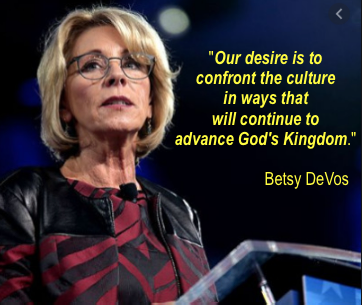 On Tuesday, the US Supreme Court ruled in a 5 – 4 vote, that public tax money can be used for religious education, which as many organization have already noted makes a laughing stock of the separation between Church and State.
The ruling was in regards to the case known as Espinoza v. Montana Department of Revenue. Last year, the ACLU framed this case with the following summary:
At issue in Espinoza is a voucher-type program in Montana designed to divert millions in government dollars to private schools, the overwhelming majority of which are religiously affiliated. The program, enacted in 2015, allows taxpayers to receive dollar-for-dollar tax credits for donations to Student Scholarship Organizations, which then award scholarships to students attending private elementary and secondary schools. In other words, if a taxpayer owes the state, say, $100 in taxes, she can decide instead to send that money directly to an SSO, which will then spend it on private-school scholarships. In practice, the tax-credit program has served its unmistakable goal of funneling government dollars to religious education: The only SSO operating in the state supports 13 private schools, 12 of which are religiously affiliated, and over 94 percent of program scholarships have gone to finance religious education.
The American Federal of Teachers weighed in on this decision, by saying:
“Never in more than two centuries of American history has the free exercise clause of the First Amendment been wielded as a weapon to defund and dismantle public education. It will hurt both the 90 percent of students who attend neighborhood public schools, by siphoning off needed funds, and, in the long term, those who attend religious schools by curtailing their freedom with the accountability that comes with tax dollars.”
On the other end of the spectrum, the White House released a statement yesterday, a statement calling for a celebration. Betsy DeVos, who has been one of the major architects of the privatization of education movement, joined the White House in celebrating this legal decision, with her own statement released on Tuesday:
“Today’s decision is a historic victory for America’s students and all those who believe in fundamental fairness and freedom. Each and every student needs the freedom to find their education fit, and today the Highest Court in the Land has protected that right by ensuring that families can use taxpayer funds to choose schools that match their values and educational goals, including faith-based schools. I applaud the Court’s decision to assign a manifestation of the ‘last acceptable prejudice’ to the dustbin of history where it belongs. Montana and other states should be very clear about this historic decision: your bigoted Blaine Amendments and other restrictions like them are unconstitutional, dead, and buried. Too many students have been discriminated against based on their faith and have been forced to stay in schools that don’t match their values. This decision represents a turning point in the sad and static history of American education, and it will spark a new beginning of education that focuses first on students and their needs. I’m calling on all states to now seize the extraordinary opportunity to expand all education options at all schools to every single student in America.”
For those who have been following the political agenda of the DeVos family would not be surprised by this decision and Betsy’s ringing endorsement, especially since the Prince and DeVos families have spent millions to support political candidates and organizations across the country that share the belief that the US should operate by the Ten Commandments and not any other legal, secular framework.
One of the organizations that the Prince and DeVos families have funded in West Michigan is the far right Think Tank, the Acton Institute for the Study of Religion and Liberty, which we have written about extensively. Earlier this year, the Acton Institute referred to the Espinoza v. Montana Department of Revenue case as an example of anti-Catholic bigotry. As of this writing, we have not seen a formal response to the US Supreme Court’s ruling on Espinoza v. Montana Department of Revenue from the Acton Institute, but it is only a matter of time until they do.
Now, considering that West Michigan is deeply conservative, both politically and religiously, what impact do you think this will have on public education in the short term and the long term?
One of the largest Charter School Corporations already exists in West Michigan, the National Heritage Academies. The DeVos family and other members of the Grand Rapids Power Structure have been working to influence how the Grand Rapids Public School functions. Plus, Public Schools are already struggling financially, and Betsy DeVos recently allowed COVID-19 relief funds to go to Charter and other private education institutions.
Lastly, the group that Betsy DeVos founded, the Great Lakes Education Project (GLEP), also weighed on the Supreme Court ruling, saying:
“The ruling in Espinoza v. Montana means more students in those states will have access to additional school choices, empowering parents to select and students to attend the school that best meets their needs. The ruling does not immediately or directly affect current Michigan law, but it signals to parents across the state the Supreme Court’s willingness to defend their constitutional rights, and their right to choose the schools that best meet the needs of their children.”
What GLEP had to say should tell us that Michigan is likely to face more legal challenges around school funding, especially from religious schools and the organization that support them. It is incumbent upon all of us to remain vigilant and see how this ruling by the US Supreme Court will impact education in the state and right here in West Michigan.
Local News Coverage of so-called unity rally in Grand Rapids makes it clear it was nothing more than a pro-police event
 Yesterday, we posted an article that deconstructed a WOODTV8 story about a rally that was co-hosted by Voice of the Badge and GOP candidate Tom Norton. We made it clear in that post, that the rally had nothing to do with unity, and everything to do with presenting a pro-police narrative.
Now that the rally has happened, we want to provide a deconstruction of the commercial news coverage from the rally that was held on June 29th at Calder Plaza in Grand Rapids.
There were three news outlets that reported on the pro-police rally, WZZM 13, WOODTV8 and MLive. There was mention of the rally on WOOD Radio, but it was essentially a like to the WOODTV8 story.
The WZZM 13 story, which was 1 minute and 38 seconds, began with a random white guy from out of town who came to show his support for the GRPD and then walked around with a sign, even after the rally was over.
Besides the guy from out of town, the other sources cited in the story were all speakers from the rally. The WZZM 13 did not have a dominant narrative, but it clearly demonstrated that the rally had nothing to do with unity and everything to do with defending the police.
The WOODTV8 coverage of the began with news readers stating clearly that the rally was to show support for the GRPD. The news readers then cut to reporter Leon Hendricks, who stated, “it was a rally to support law enforcement officers who put their lives on the line each day in service to the community.” By framing the news story this way, the channel 8 reporter already inserts the idea that the police are self-sacrificing, thus making the notion that any criticism of their policies and practices as wrong.
The channel 8 story cited the Grand Rapids Police Chief, the mother of deceased officer Robert Kozminski, GOP candidate Tom Norton and a Latina mom of another police officer.
Chief Payne stated that he was hearing over and over again that the public supports the GRPD. While this may be true that he is receiving positive feedback from the community, we do know that there have been lots of calls to defund the GRPD at the policing town hall meetings that were held online, plus MLive reported on June 19 that:
“Since May 31, a total 3,060 people have called and emailed Mayor Rosayln Bliss’ office advocating for some form of defunding or divestment from the police department, according to records obtained by MLive/The Grand Rapids Press. Only four people in that time period explicitly communicated their opposition to some form of defunding.”
Such a disparity in numbers suggests that most people who have bothered to communicate with City officials favor defunding.
The Mother of deceased GRPD officer Robert Kozminski, also spoke at the rally about the loss of her son and against defunding the GRPD, on the grounds that she doesn’t want any other family to go through what her family went through. However, the death of her son has nothing to do with how much the GRPD gets from the City’s budget on an annual basis.
At one point, the reporter does acknowledge that there were few people of color in attendance, but that observation was followed by a comment from GOP candidate Tom Norton who contradicts the reporter and said, “there were more (people of color) so than people would expect at an event like this.” The comment from Norton speaks for itself, in that the organizers didn’t expect that many people of color would come, since it was clear that this event was a space for whiteness. When I say it was a space for whiteness, I mean that it was not a safe space for Black and Brown residents, unless they fully embraced the pro-police platform. This was affirmed by the fact that the story ended with a brief comment from a Latina woman who had a son in the GRPD.
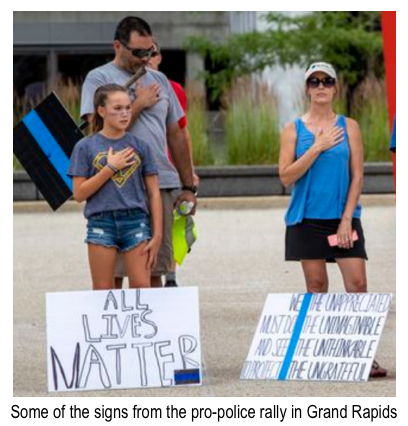 The MLive article, which was headlined as, Rally to support police, oppose defunding, held in downtown Grand Rapids, also affirmed the fact that this was a pro-police rally and had absolutely nothing to do with unity.
The MLive article cited Mark Gurley and identified his as the founder of the Make Michigan Great Again group. Gurley has as his Facebook page cover photo a picture from the American Patriot Rally that was held in Grand Rapids on May 18th. Gurley is quoted in the MLive article stating:
“Most of what’s happening here is not about police. It’s about a new ideology, an old ideology called Marxism trying to remove things from a free America.”
Gurley is followed by a retired cop, who said:
“We do have to hold these city leaders accountable. Have to. I don’t wish any of them, especially our chief and our sheriff, to ever have to kneel again unless it’s in prayer for our officers,” Moreno said to resounding applause.
Chief Payne was also cited, making the same claim he did in the WOODTV8 story about hearing from lots of pro-police supporters and never acknowledging the thousands of communications calling for defunding.
MLive does acknowledge the DeFund the GRPD campaign and that two City Commissioners are considering it, but ends the article with a comment from a woman from Ionia who also came to show her support to the GRPD.
After viewing each of the stories about the pro-police rally, it was clear that it had nothing to do with building trust between the police and the community. In fact, the coverage demonstrated that the Voice of the Badge rally was nothing more than a pro-police rally that was in direct response to the ongoing protests since May 30, the Defund the GRPD campaign and the countless stories that Black community members have been sharing about their experience of harm and violence at the hands of the GRPD.
Taking money from Police Unions is a Bi-partisan affair across the country and in Michigan
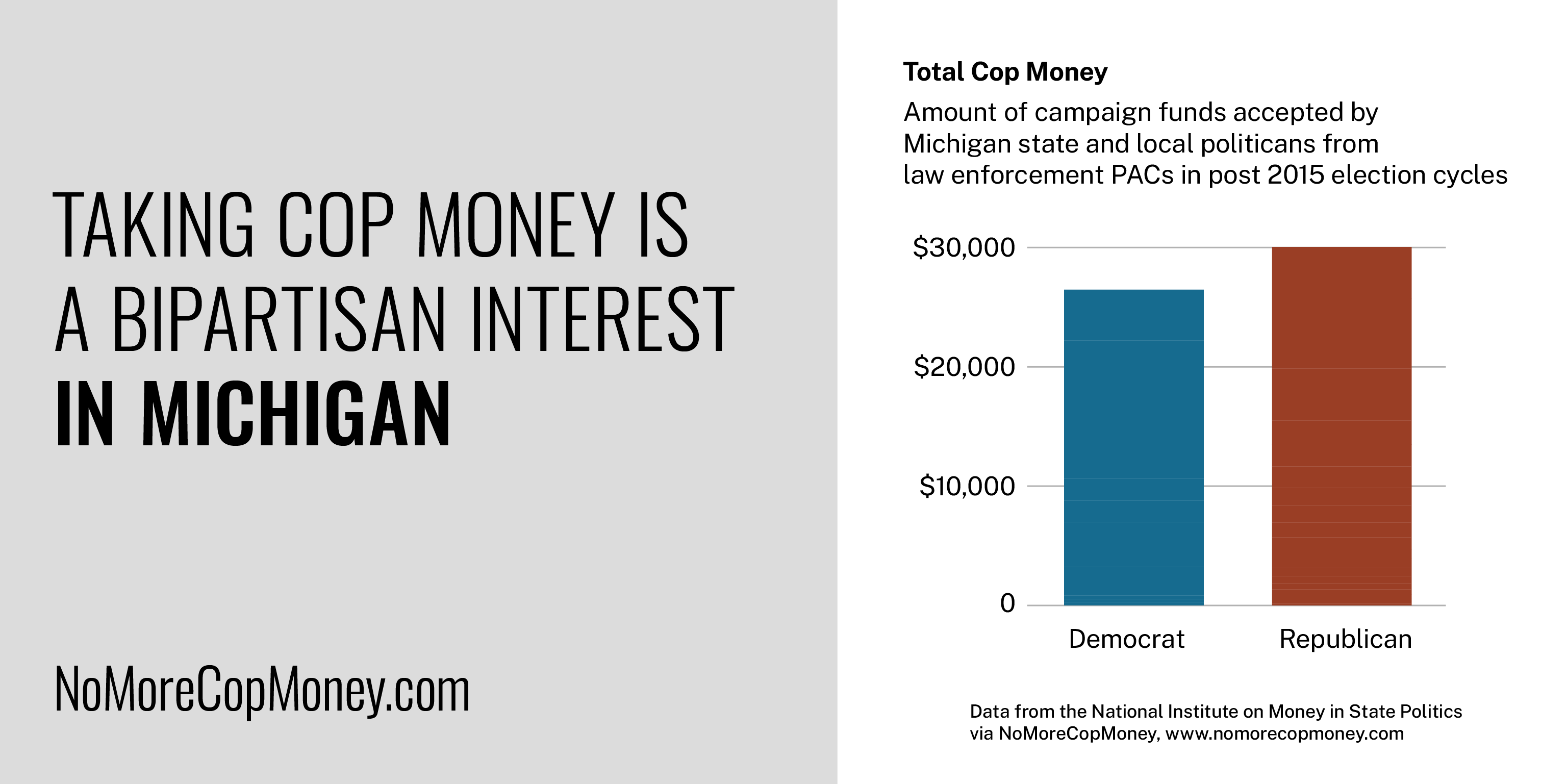 Earlier in the month we posted an article about the politicians and candidates from West Michigan that have taken money from the Grand Rapids Police Officers Association PAC.
One observation from the data we found for candidates in the Greater Grand Rapids area, was that there were certainly candidates who ran as Republicans and Democrats that accepted money from the Grand Rapids Police Officers Association PAC. This dynamic of police unions contributing to both parties seems to be fairly consistent throughout the US, although at a national level, the Democrats have been getting more money from the Fraternal Order of Police, as you can see from this link on OpenSecrets.org.
In our initial article on police union funding, we also posted a link to a statewide campaign No More Cop Money, which provides data and research capabilities on which politicians in Michigan have been on the receiving end of contributions from police unions.
On the No More Cop Money site, they have a map of the US, which shows which states have more police union money going to it. The dollar amounts that accompany the map, also shows that Democrats have received a much larger portion of funds from police union than Republicans have, with Democrats getting $10,096,356 and Republicans getting $4,514,754.
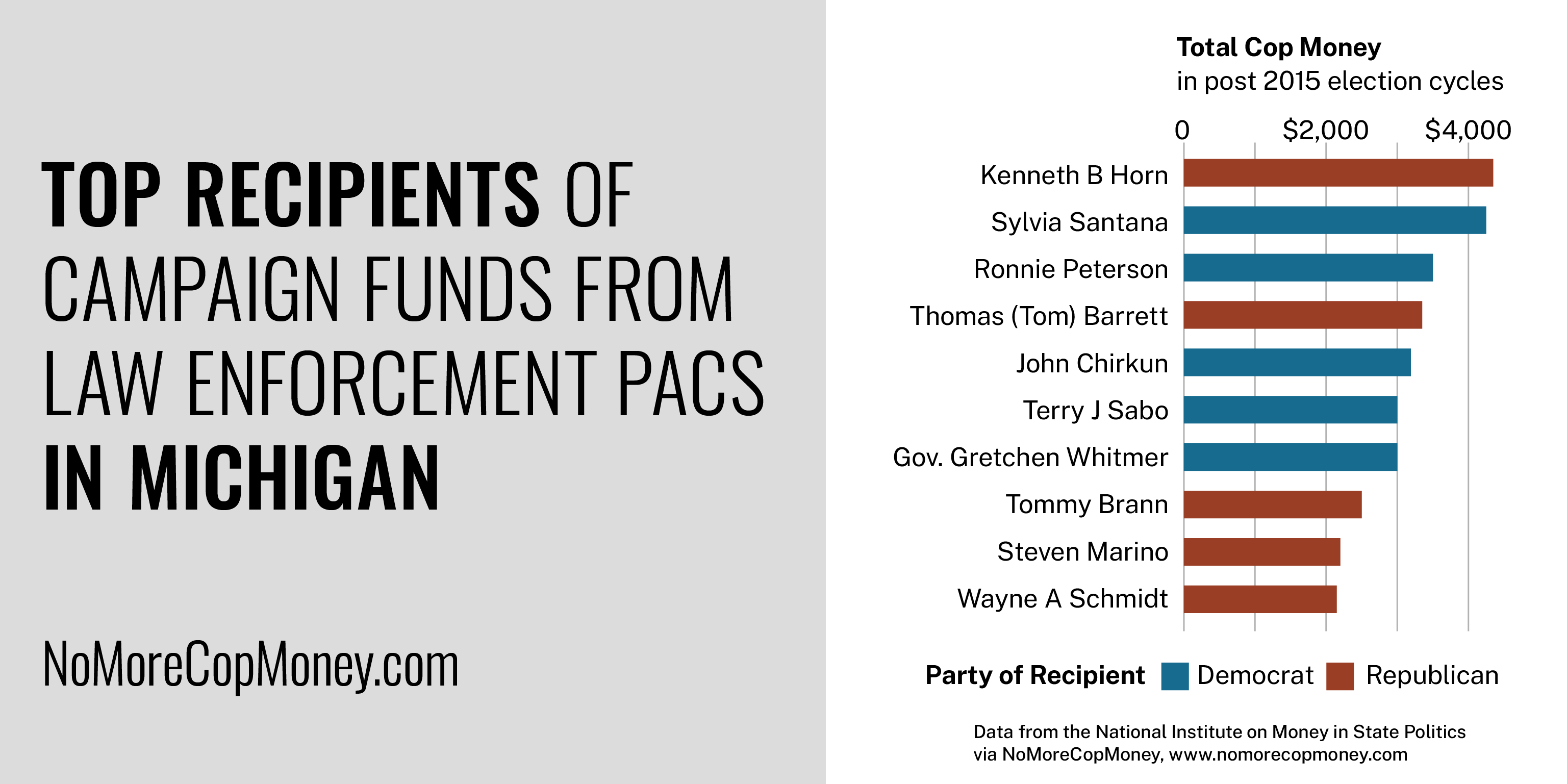
In Michigan, since 2015, GOP candidates are slightly ahead of Democrats on the receiving end of money from police unions, as can be seen in the graphic above. In addition, No More Cop Money also has a graphic showing which politicians in the state have received the most money since 2015 from the police unions, seen here below.
So whether we are talking about national, state or local politicians, it seems pretty clear that in the US, taking contributions from police unions is a bi-partisan affair.
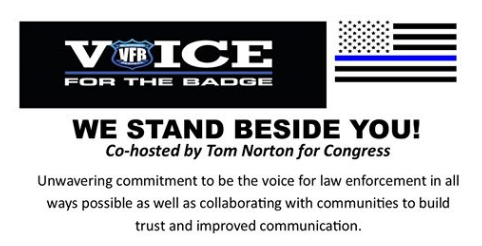 A group known as Voice of the Badge, which has come to Grand Rapids City Commission meetings over the past 18 months, for the purpose of praising the GRPD and condemning those who have criticized the Grand Rapids Police Department. The most visible member of Voice of the Badge is Johnny Brann Sr., of Brann’s restaurants.
Now, Voice of the Badge is hosting a rally on Calder Plaza to show “support for law enforcement,” according to the Facebook event page. However, for those who saw the story that WOODTV8 aired on Sunday, people would think the event was a unity rally.
The channel 8 story is so awful on so many levels. The news reporter says early on that this unity rally is meant for “both sides to find common ground,” meaning those that want to hold the GRPD accountable and those that praise the police. The reality is that people who have been protesting in recent weeks will not be attending this event, since there is no space for them to do so and feel safe.
All one has to do is look at the Facebook event pages to see that this event has nothing to do with unity and everything to do with those who are pro-police, whether it is the page hosted by Tom Norton for Congress or the Voice of the Badge Unity Event Page.
In fact, the text for the event was crafted by a candidate for the 3rd Congressional District, Tom Norton. The description for this event disparages those involved in Defund the GRPD. Here is a sample of what the Voice for the Badge event says:
While protesters swear at them, threaten them, and insult them, officers stand and protect their right to do so. And while some of the protesters turn into rioters and burn and loot cities, these officers are the ones attempting to protect the public.
The rest of the description is filled with falsehoods and pro-police propaganda.
Then there is the fact that the Facebook event is being hosted by Tom Norton for Congress. The WOODTV8 story said that the “unity rally” was not an event for candidate Tom Norton, but the Facebook event language says otherwise. The contact information for the Facebook event says Norton for Congress, with Norton’s phone number and his e-mail address.
Tom Norton is a zealous Trump supporter and embraces the same far right agenda that that Trump does. Norton’s Facebook page has a picture of him with Vice President Mike Pence and the content is nothing but slamming all things leftists. In one video, Norton appropriates the death of George Floyd and turns it into an opportunity to push an All Lives Matter message.
Don’t be fooled by the Voice of the Badge or their so-called unity rally. This event is nothing more than White Supremacy rally to push their pro-police, All Lives Matter propaganda. And shame on WOODTV8 for not only giving them free advertising, but for misinforming the West Michigan Community.

