Media Bites – Jim Beam and Male Fantasy
This week’s Media Bites takes a look at a new commercial from the Jim Beam Company. In this ad a guy gets caught cheating on his girlfriend, but the girlfriend responds by suggesting a threesome. Jim Beam is not only normalizing a popular male fantasy, but going one step further by having a woman initiate the idea of having a threesome.
(This article is re-posted from OpenSecrets.org.)
After Democrats crafted 2,300 pages of legislation to tackle financial regulatory issues in the aftermath of the economic collapse that brought behemoths like AIG and Lehman Brothers to their knees, they were met with resistance from one of their own.

Sen. Russ Feingold (D-Wis.) spoke out against the bill championed by President Barack Obama because he thought it wasn’t strong enough to prevent another economic meltdown. And on Thursday, Feingold became the lone Democrat to vote against it. Feingold was in a position to stand up to Wall Street like few other senators.
Contributions from the finance, insurance and real estate sector account for just 3.75 percent of Feingold’s overall contributions over his career, according to research by the Center for Responsive Politics. Just two other senators elected to their seats have relied less on money from the financial sector: a wealthy self-funder and the Senate’s only self-identified socialist.
“Campaign contributions are very effective at slowing down reforms that need to be done from a public-interest perspective,” Lawrence Baxter, a law professor at Duke University, told OpenSecrets Blog as part of our “Crossing Wall Street” series last year.
Wall Street interests lobbied ferociously to limit the legislation’s effect on them, and they have invested in powerful members of both parties over the years. Long-standing relationships build rapport among these interests and legislators — legislators who may therefore be inclined to lend a sympathetic ear.
Contributions from the financial sector account for roughly 30 percent of all money collected by the campaign committee and leadership PAC of Senate Banking Committee Chairman Chris Dodd (D-Conn.), the bill’s chief sponsor in the Senate, the Center found — the most among all senators. Dodd’s home state of Connecticut is also home to many financial industry companies and workers.
On average, 12 percent of all campaign contributions and donations to leadership PACs since 1989 have come from the finance, insurance and real estate sector for senators who supported the Wall Street reform legislation, the Center found.
Contributions from these interests accounted for 14 percent, on average, of all contributions since 1989 to senators who opposed the bill.
While this gap is narrow for the broad finance, insurance and real estate sector, certain finance-related industries within the sector have given much more money to senators who resisted the bill.
According to the Center’s research, the political action committees and employees of commercial banks have, since 1989, given an average of 68 percent more to the committees of senators who opposed the Wall Street reform plan.
Insurance interests, meanwhile, have given 37 percent more to the bill’s opponents over the years. Special interests tied to finance and credit companies gave 25 percent more to senators who voted against the bill. And people and PACs associated with the real estate industry have contributed 12 percent more to the committees of senators who opposed the bill since 1989.
Only the securities and investment industry has given more to senators who favored the legislation. Since 1989, these interests, on average, have contributed 19 percent more to the committees of senators who voted to pass the legislation.
Here is a table summarizing the contributions since 1989 to senators’ leadership PACs and campaign committees from the finance, insurance and real estate sector — as well as various industries within that sector — broken out by the average “Yes” vote and average “No” vote:
| Average
No Vote |
Average
Yes Vote |
% Difference | |
| Money Since 1989 | $32,258,180 | $28,629,173 | +13% NO |
| Finance Money Since 1989 | $3,657,077 | $3,151,778 | +16% NO |
| Percent Finance Sector | 14% | 12% | +2% NO |
| Commercial Banks | $454,874 | $271,251 | +68% NO |
| Finance/Credit Companies | $110,182 | $88,259 | +25% NO |
| Securities/Investment | $883,983 | $1,049,342 | +19% YES |
| Insurance | $599,493 | $438,911 | +37% NO |
| Real Estate | $881,129 | $784,143 | +12% NO |
To pass the bill, three New England Republicans joined 57 members of the Senate Democratic caucus.
Since the Senate first passed a version of the bill in May, Democrats lost the vote of Sen. Chuck Grassley (R-Iowa) but won over the support of Sen. Maria Cantwell (D-Wash.). Republican Sens. Scott Brown (R-Mass.), Susan Collins (R-Maine) and Olympia Snowe (R-Maine) all voted for the original version of the legislation as well as the conference committee report.
The final version of the legislation accomplishes many things.
It establishes new regulations and disclosure requirements for the investment products known as derivatives — which have been almost completely unregulated and played a substantial role in causing the nation’s economic crisis. It also creates new rules for credit rating agencies, including penalties for inaccurate ratings. Inflated evaluations of troubled investments also contributed to the nation’s economic meltdown.
The legislation seeks to end the notion of “too big to fail” by requires financial institutions to maintain plans for their dissolution, should they need to be dismantled. It will also prevent banks from making risky investments with federally insured dollars. And it will further require hedge fund and private equity fund advisers to register with the Securities Exchange Commission.
One of the most sweeping changes in the bill is the creation of a new federal watchdog for consumer financial protection within the Federal Reserve. This Consumer Financial Protection Bureau will have the power to prohibit financial products it deems unfair or predatory, and it will implement changes such as simplified mortgage loan and credit card disclosure documents.
The legislation additionally gives the Government Accountability Office the ability to perform a one-time audit of the Federal Reserve relating to all loans and financial assistance provided since Dec. 1, 2007, in response to the economic meltdown. It also ends the government’s Troubled Asset Relief Program (TARP), which was used to provide assistance to faltering financial institutions.
Moreover, at the end of 2012, it will put toward deficit reduction any unused money from the American Recovery and Reinvestment Act (Obama’s stimulus plan). The plan also gives shareholders a nonbinding “say on pay” vote on executive compensation and “golden parachute” retirement plans.
The House adopted the conference committee report in late June. According to the Center’s research, giving by finance-related industries to House members over the years has been similar to their giving to senators.
As with the Senate, the average percentage of donations from Wall Street interests out of all contributions received by House members was just two percentage points less for congressmen who voted in favor of the legislation compared to those who voted against it.
On average, 13 percent of all campaign contributions and donations to leadership PACs since 1989 have come from the finance, insurance and real estate sector for House members who opposed the Wall Street reform legislation, the Center found.
Contributions from these interests accounted for 11 percent, on average, of all contributions since 1989 to House members who supported the bill.
And contributions from people and PACs associated with commercial banks, insurers, the real estate industry and finance and credit companies have all favored congressmen who opposed the reform legislation. As in the upper chamber, only PACs and employees of the securities and investment firms favored supporters of the legislation since 1989.
The giving from these industries since 1989 are outlined in the following chart:
| Average
No Vote |
Average
Yes Vote |
% Difference | |
| Money Since 1989 | $6,952,611 | $6,853,451 | +1.4% NO |
| Finance Money Since 1989 | $951,593 | $790,306 | +20% NO |
| Percent Finance Sector | 13% | 11% | +2% NO |
| Commercial Banks | $144,378 | $87,269 | +65% NO |
| Finance/Credit Companies | $43,341 | $32,325 | +34% NO |
| Securities/Investment | $150,763 | $166,253 | +10% YES |
| Insurance | $185,323 | $143,038 | +30% NO |
| Real Estate | $228,279 | $214,588 | +6% NO |
Many Republicans have argued that the legislation will kill jobs and that less regulation is needed, not more. Obama plans to sign the measure into law on Wednesday.
3rd Congressional Candidates on Iraq & Afghanistan

The August 3rd Primary is two weeks away, so we thought it would be useful to take a look at where the 3rd Congressional District candidates stand on major issues of the day.
One of the most pressing issues of the past decade has been the US wars/occupations in both Iraq and Afghanistan. Since 2001, nearly 1200 US troops have died in Afghanistan, while over 4400 have died in Iraq and tens of thousands more wounded in both wars. The death toll has been greater to the people of both those countries, with more than 1.3 million civilians dead in Iraq and thousands dead in Afghanistan.
The monetary cost of these two wars has also been astronomical. According to the National Priorities Project the US has spent over 1 Trillion dollars since 2001 just on these two military occupations. This amount translates into over $27 billion dollars leaving the state of Michigan and $533 million leaving Grand Rapids alone. Any candidate who was serious about government waste or local spending cuts, it is hard to ignore these numbers.
The so-called withdraw of US troops in Iraq is now under question and the Obama administration has escalated the US war in Afghanistan, which now includes Pakistan. Considering the human and monetary costs of these wars and the “no end in sight” realities, one might think that candidates running for Congress would have clear positions on these issues. Lets look at the five Republican candidates first.
Justin Amash, the darling of the DeVos clan says nothing about Iraq or Afghanistan on his website in the issues section and only makes vague comments about the role of US troops and National Security.

Steve Heacock, doesn’t mention Iraq, but he does have a position on Afghanistan. “I believe in President Bush’s freedom agenda and hope that the surge strategies will secure Afghanistan against the Taliban and ensure success for the budding democracies in both countries. But our patience as a country is understandably ebbing. Our willingness and ability to risk resources and lives for others’ freedom is not unlimited. We must quickly see that the long-term goal of having each nation supporting its own democracy is realistic and achievable.”
Bill Hardiman, a Vietnam War veteran says nothing about either war on his webpage in the issues section.
Bob Overbeek, who has pledged to not take more than $1 dollar in campaign contributions from any one person, is the only 3rd Congressional candidate to at least take a position on both Iraq and Afghanistan. “I support victory in Afghanistan and Iraq; however, we must wage these long-term wars with covert action and the limited use of Special Forces troops and air power. I do not support continued action in Afghanistan with the deployment of US ground troops en masse.”
Louise Johnson does not take a position on either of these US wars and does not mention them in the Defense section of her issues page.
There are only two Democratic candidates running for the seat being vacated by Vern Ehlers. Unfortunately, both Pat Miles Jr. and Paul Mayhue have nothing to say about the US wars in both Iraq and Afghanistan.
It seems pretty clear from a review of the congressional candidates who will be on the August 3 Primary ballot that none of them are taking an anti-war position, at least not publicly.
(This article is re-posted from FIST.)
 Glenn Beck, an extreme right-wing pundit of television and radio, has shown his outrageous racism and anti-working-class sentiments once again when he told us that Barack Obama “has a deep-seated hatred for white people” and that a massive “invasion” by undocumented workers “threatens our America.”
Beck’s anti-communism is not new, either. But he made clear his dedication to the capitalist system and racism on June 4 in a pseudo-historical lecture on his radio show. Proclaiming that the author “was doing the same things that we are doing now,” Beck promoted “The Red Network,” a book written in 1934 by virulent anti-communist Elizabeth Dilling.
The book is a tract of conspiracy theories attempting to link high government officials in the Roosevelt administration with the U.S. Communist Party and the Soviet Union. It is full of confused logic, giant leaps and baseless presumptions.
Dilling would have you believe that the very government that had just sent the National Guard to mow down communist-led strikers in Minneapolis and San Francisco was itself controlled by the Kremlin. Dilling’s text stands out, however, for its unapologetic racism and support for the newly installed regime of Adolph Hitler in Germany.
It apologizes for the massive repression and arrests of Jews by the Nazi regime, saying that most of the victims were only “Russian Jews” bent on “Red terrorist revolution” and that “German nationalist Jews” would remain untouched. Dilling portrayed the Black liberation movement as communists manipulating oppressed people to inflame them against whites.
Later in life, Dilling wrote another book called “The Jewish Religion: Its Influence Today.” Originally entitled “The Plot Against Christianity,” it blamed Jewish people for all the world’s problems. Dilling toured the U.S. in 1940 as part of the “America First Committee,” a group of fascist sympathizers who opposed war with Germany. Dilling herself was very supportive and most likely a member of the German-American Bund, a U.S. Nazi group that used the swastika as its official symbol and marched in full brown-shirt regalia.
Was Glenn Beck correct in stating that Elizabeth Dilling was “doing the same thing” he is doing? Absolutely.
In the 1930s the global capitalist economy had collapsed, and millions were cast into poverty and misery. However, a strong and powerful movement of the working class finally erupted.
Unemployed workers staged mass hunger marches and even burst into the Capitol building, challenging members of Congress to provide them with jobs or an income. Southern textile workers, organizing their workplaces with the help of the interracial, communist-led Trade Union Unity League, armed in self-defense against gun-toting company goons.
In Harlem, Black artists and writers like Langston Hughes raised the demands of racial equality and self-determination for the Black community. Mass women’s organizations demanded a constitutional declaration of gender equality, which already existed in the Soviet Union.
The capitalists could not smash these heroic uprisings with their usual bag of tricks. Many began throwing money and other support behind the fascist movement. They attacked the administration of Franklin Roosevelt as “soft on communism,” even though Roosevelt’s reforms were in fact aimed at saving capitalism.
Many describe fascism as “capitalism in decay.” The fascists were ideologically trained racists and defenders of the capitalist class. However, their propaganda pretended to be “revolutionary” and, in some cases, “anti-capitalist.”
Fascists recruited alienated individuals by channeling their rage into attacks on oppressed people and the revolutionary movement. For example, while pretending to be “revolutionary,” the fascist Citizens’ Alliance and Black Legions attacked striking autoworkers in Flint, Mich., who were demanding that the millionaire bosses recognize their right to unionize.
The Dillings of our day
Today, at a time when long-term unemployment is at its highest level since the Depression and millions are losing their homes, the movement directed by the Glenn Becks and the “Tea Party” is calling for “liberty” and an end to “big government.” Instead of attacking the capitalist class and the banks that have impoverished the workers, its target are social programs and the millions who receive very minor assistance in place of a job or livable income.
After first coming out — with much support from the medical corporations — to oppose even the meager health care reform introduced by the Obama administration, these right-wingers soon switched their focus to anti-immigrant racism. These “champions of liberty” defend the racist Arizona law that allows police to search “suspected” undocumented workers and demand proof of legal status at any time. They also try to block women’s right to reproductive choice.
While White House journalist Helen Thomas was accused of anti-Semitism and forced to resign for defending the Palestinian people, Glenn Beck can openly champion the writings of a Nazi and continue to earn millions. What better exposes the two-faced capitalist ruling class and media?
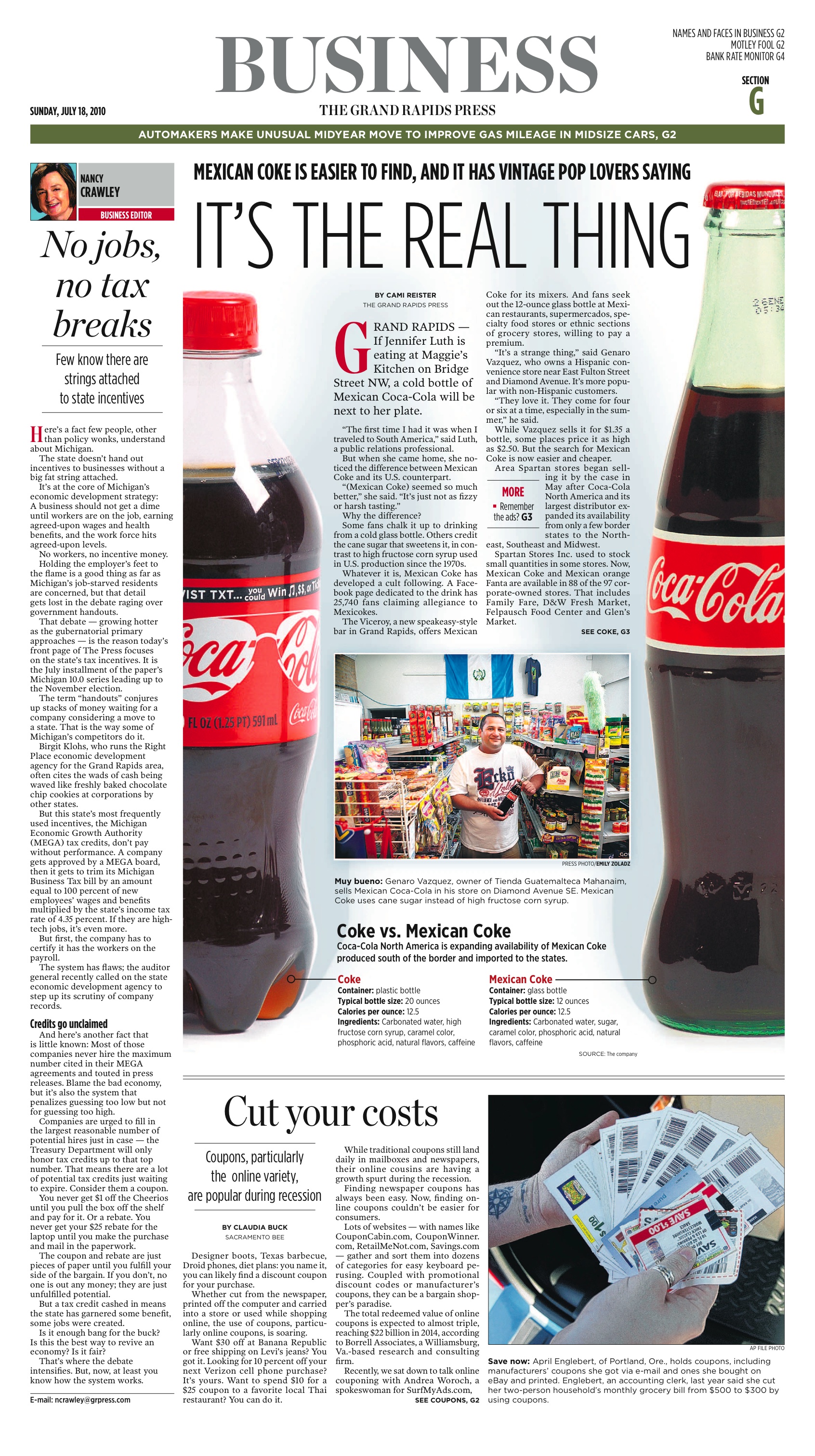
For the past month or so the Grand Rapids Press has been endorsing political candidates for County Commissioner all the way up to Governor. These are obvious endorsements, but it would be more accurate to say that news media endorses all kinds of economic and social realities on a daily basis, in part because of their own internal biases.
One other factor that determines what news organizations endorse is the fact that they sell advertising space or time. This may be painfully obvious to people, but it is worth repeating lest we forget what drives commercial news agencies – the profit motive.
However, beyond the obvious internal bias associated with commercial advertising in news media there is another kind of endorsement that in some ways is even more insidious than the apparent commercial intent of ads. More and more we see news stories that are fundamentally product endorsements. We know that PR firms often create news copy and distribute stories about products that are nothing more than veiled ads in what are called Video News Releases (VNRs), but increasingly reporters engage in the same behavior.
A great example of advertising in the form of journalism was the front-page story of the Business section of Sunday’s GR Press (7/18). Headlined in the print version of the article as “It’s the Real Thing,” the nearly 2-page story was framed to look as a consumer interest story about whether people prefer US-produced Coke (made with fructose corn syrup) or Mexican produced Coke (make with cane sugar).
The story not only is a promotional piece for Coca Cola, but for numerous local grocery stores, since the article tells readers about the numerous locations that one can buy the Mexican produced Coke from, including hyper-links to the stores.

The only journalistic component in the story was a passing comment about public concerns related to high fructose corn syrup and negative health effects, but this comment is lost amidst all the “happy” text attributed to being able to purchase Mexican-produced Coke in the area.
But maybe all is not lost. This article could be the beginning of a series of stories that the Press is planning on the soft drink giant in the coming weeks. We might see an article about Coca Cola’s theft of public water resources globally, followed by the company’s role in the murder of union organizers in Colombia.
However, the likely outcome is that the Press is not even thinking along those lines, because that kind of journalism doesn’t create what media critic Neil Postman calls “a positive consumer environment” for the public. It could be worse though. The Press could write a story about appropriate office attire with tips from local managers.
Advertisers hijack the meaning of Back to School

It’s mid-July and most of the parents I know are thinking about what they can do to make the summer enjoyable and safe for their children. People are looking for activities around the house, in the back yard, the local park and if they are lucky, short trips to the lake or campsite.
Many parents are wondering if they will have a job or if the job they have will provide enough money to pay the bills. They worry about their children’s nutrition and whether or not they have enough time to prepare healthy meals. Most parents wonder every day whether or not they are doing all they can to ensure their child’s safety. This is what parents do and this is what parents spend their time thinking about.
Now consider what advertisers spend their time thinking about as it relates to parents and their children. Remember, it is mid-summer, which means that advertisers are implementing their Back-to-School campaigns, where billions of dollars will be spent to convince parents and their children to spend billions more to ensure that students will be in fashion for the coming year.
Back-to School campaigns have become some of the most sophisticated of all ad campaigns in recent years, utilizing some of the most creative minds. AOL Advertising is using an array for techniques to reach consumers, such as their Tech campaign, which brings together some of the best electronics brands to provide a back-to-school electronics buying guide; the Spinner program, which popular soundtracks for selling products to teens and pre-teens; and PopEater, which connects celebrity fashion with youth interest.

Then there are marketing groups like School Family Media, which provide consulting services to companies to better target parents, especially moms – “moms with school-age kids – at a time and place where they are most interested in and receptive to your brand message – at school or while involved in school-related interests or activities.”

There are also the big retailers like WalMart, which goes as far as to even provide a check list for parents on what to buy for their children’s back-to-school needs, from kindergarten on up. The retail giant is also a big supporter of Box Tops for Education, a campaign designed to get families to buy branded products as an incentive for raising money for schools.
However, the company that best exemplifies the back-to-school marketing hype is JC Penny. JC Penny all the current social media sites and techniques that are way ahead of the rest of the back-to-school marketing world. Their 2010 campaign is called “New Look. New Year. Who Knew,” and features a “school picture day” video campaign, where teens take over this decades long school function to promote the newest JC Penny Teen fashions.

In addition, the JC Penny back-to-school campaign features a partnership with Supergirl by Nastia, and another skater event the Dew Tour, which will feature as a major sponsor exclusive clothing brands through JC Penny. JC Penny will also be targeting youthful ethnic minorities in their back-to-school campaigns by sponsoring the largest Hispanic music awards, Premios Joventud and the Secret International Agents concert, which showcases the talents of the best of young Asian and Asian Americans.
JC Penny continues to be a leader in the mobile space, bringing its products directly to teens’ fingertips with a special Back-to-School WAP site (jcpteen.mobi). This mobile hub includes JCPenney’s Back-to-School TV spot and an opportunity to opt-in and receive weekly texts on the latest Back-to-School looks; view Back-to-School styles and even upload their own look, which can be voted on and shared with friends.

Of course, one of the most popular tools that JC Penny has used to tap into the teen and pre-teen market is their Facebook page, JCP Teen. At the site, one can view all the back-to-school media – still ads, video, games and the full product line. Members are invited to share ideas and vote for their favorite items, as the company uses this information to sharpen its marketing campaigns in the future.
So, while parents are busy trying to make ends meet and minimize the negative influences the world can sometimes have on children, Corporate America is hard at work in order to manipulate you and your children into associating back-to-school with fashion and product consumption.
We may all desire that our children get a good education, have the best learning environment and even develop good critical thinking skills, but if we do not come to terms with what back-to-school marketers are doing then we will fail our children. We must understand that the fundamental economic principle of capitalism is growth and that translates into a constant need to get us to buy more clothing and other items in order for our children to have a proper “educational experience.”
The Grand Rapids-based group, Stop Targeting Our Kids (STOK) understands the importance of this issue and has resources available to help parents and anyone in the community who think it is unconscionable to manipulate the children of our community. You can find them on Facebook and join in on their local efforts to defend children and to counter-act the effects of commercialism in our lives.
Afghanistan Violence Soars

(This report is re-posted from Al Jazeera.)
More than a thousand civilians have been killed in the war in Afghanistan this year alone, an Afghan rights group has reported.
The Afghanistan Rights Monitor said recent statistics show more than 1,000 civilians were killed in the first six months of 2010, with over half of them dying in suicide attacks and roadside bombings.
Among those killed and injured were children.
As Al Jazeera’s Zeina Khodr reports, the war’s escalation has taken a huge toll on the Afghan people and its children in particular.
Levin defends Imperialist “Progress” in Afghanistan
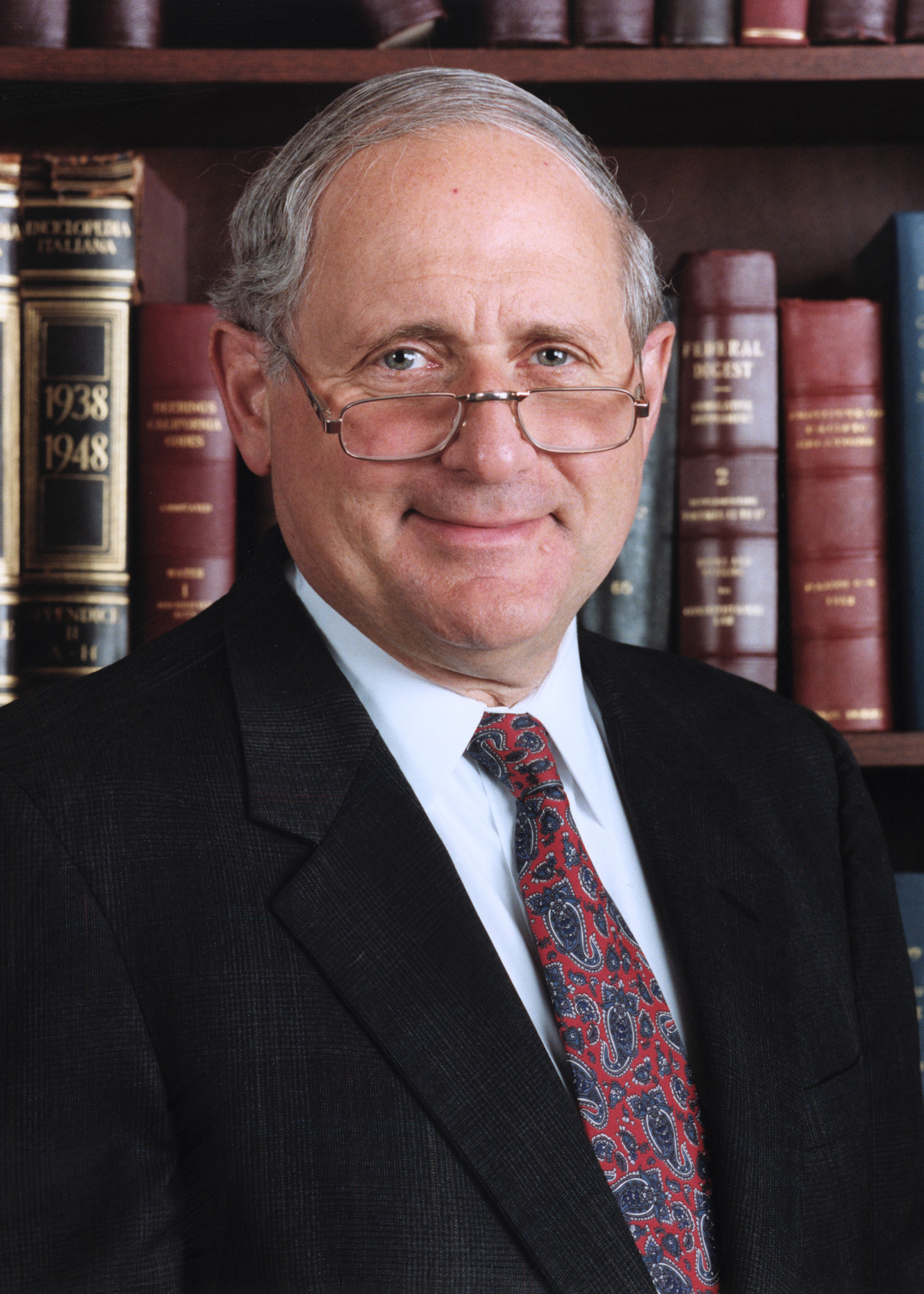
Michigan Senator Carl Levin just returned from a trip to Afghanistan and Pakistan, his second since the Obama administration announced an additional 30,000 US troops to Afghanistan last December.
Levin posted a statement he read on the Senate floor on Wednesday, July 14. It is clear from the statement that Levin is firmly committed to the US occupation of Afghanistan. It is also clear that the Michigan Senator doesn’t want the American people to know the realities of what is happening on the ground in Afghanistan as a result of the nearly 9 year US occupation.
First, it should be noted who Levin met with during his trip. He says that he met exclusively with Afghani and Pakistani government and military officials, as well as US military commanders and US Ambassador Eikenberry. In other words, Levin met with those who support the occupation and are prosecuting a brutal counter-insurgency war.
Second, it is important to point out that Levin makes clear that he believes that there is significant “progress” being made in Afghanistan. What he means by progress is the growing number of Afghanis who are now part of the Afghan National Army (ANA) that is being trained by the US. Levin also believes that the ANA is taking more of the lead in US/NATO missions.
However, this glowing report about the Afghan National Army is contradicted by other sources, which claim that members of the ANA have attacked and killed US and NATO troops. Ryan Harvey reports that ANA members are shooting and killing US & NATO troops. Harvey also reports that desertion rates are nearly 20% amongst Afghan soldiers and that many of them join in order to get training that they will share with the insurgency.
Third, Senator Levin states that he is encouraged by the progress of other Afghan security forces such as they Afghan National Police (ANP) and the Afghan National Civil Order Police (ANCOP). However, independent, non-governmental reports, such as the one put out recently by the Afghanistan Analysis Network, contradict much of Senator Levin’s optimism on the role that these security forces play.

Fourth, Levin does mention that the US occupation of Afghanistan has resulted in the deaths of over 1,200 US troops and countless more wounded. Levin also acknowledges that more casualties are expect, but that “their morale is high and regardless of whether one agrees with the mission in Afghanistan, those men and women deserve a tribute from all Americans. We stand in awe of them.”
Such sentiments ignore the much larger human cost that Afghan civilians have paid and it omits the growing number of US military personnel who have served in Afghanistan and actively oppose the war. Groups such as Veterans for Peace and IVAW are supporting more and more Afghan veterans who do not share Senator Levin’s view on what is happening on the ground in Afghanistan.
Senator Levin concludes in comments on the Senate floor by acknowledging that there are “threats to the Afghan mission.” However, for Levin these threats are external, which means that he is in complete support of the imperialist US occupation.
Levin states that terrorist groups are a threat, some of which operate in Pakistan. What Levin fails to mention is that the US has fomented anti-US sentiment in Pakistan in part because of its support of a corrupt government and the ongoing drone bombings, which have resulted in hundreds on civilian deaths.
Another threat that Levin points to are the warlords in Afghanistan. Again, the Michigan Senator omits the fact that many of the current warlords were once US allies who were trained and funded by the US government. (See Bill Blum’s essay America’s Jihad.)
Ultimately, Levin acknowledges the need for a political settlement, but here again he fails to mention that the US has resisted such a settlement if it involves the Taliban or at least until the US military forces have been able to seriously weaken the Taliban forces.
Levin concludes his comments by quoting T.E. Lawrence, which is a statement that speaks volumes about Levin’s imperialist views. Lawrence was a rabid defender of the British Empire, even if he at times felt it was best to use the “native population” to do the Empire’s dirty deeds.
“Do not try to do much with your own hands. Better (they) do it tolerably than you do it perfectly. It is their war and you are to help them, not to win it for them. Actually, also, under the very odd conditions (there), your practical work will not be as good as, perhaps, you think it is.” T.E. Lawrence
How Would You Like Brigido Oregon’s Job?
(This article by Stephen Franklin is re-posted from In These Times.)
GRAND RAPIDS, MICH.—Brigido Oregon is a small man, so it is hard to imagine all the work that has been squeezed out of him in 27 years as a farmworker.

The blue baseball cap he is wearing flops down below his ears. He smiles and half of his teeth are missing. And he smiles frequently. He looks at least 60, but says he is 45. His hands shake somewhat, and he explains that is the result of a brutal beating he got some months ago by hooligans who hit him with a wooden stick in Immokalee, Fla., the place where thousands of farmworkers make their winter livelihoods.
But you wonder if he also shakes from the endless hours of picking in the early morning when it’s still cold and then in broiling afternoons or from picking without a break or from picking in fields newly sprayed with pesticides or from just living around pesticides.
He says he worked 14 hours stretches day after day last year on some Michigan farms and got only $25 a day. He says he has worked in fields where the crew boss will sell him a bottle of water for a $1 and he will pay $25 a week for a ride by the crew boss out to the fields.
Some months he says he only earns $200 from his work in the fields.
He says there are bathrooms sometimes in the fields, but often he isn’t allowed to go to them. “They don’t want you to go to the bathroom. They want you just to work,” he says with a faint smile.
He says he has worked for crew bosses who pay different wages to workers and the pay depends on whether the workers get along with the crew boss or not. He often does not indicate that he speaks English, because crew bosses, he explains, don’t like English speakers since it means they can speak up for themselves.
“People are afraid to talk,” he says. “The crew leader says to them, ‘If you complain, I’ll call immigration.’”
Because he is a permanent resident he doesn’t mind speaking up. And so he complained about getting cheated out of his wages and officials at the Migrant Legal Aid office here say they helped win some justice.
But sometimes people don’t listen to him. Like when he was arrested by immigration officials. In a statement he made at hearings last October on the conditions facing farmworkers by the Michigan Civil Rights Commission, he explained that:
“I came home and my friends in the house I rented a room told me Immigration had been there and they were looking for me. I told them that couldn’t be right, that I was legal, not illegal. I am a legal permanent resident. Later I was watching tv and heard footsteps…Immigration had come back. They didn’t ask me if I was legal, they just put me in handcuffs. I told them I was legal, but they wouldn’t listen. They said they would not talk to me about that until we got to the police station. When we got there they put my information in the computer and said I was going to be going to jail for some time.
I spent 17 days and night in jail. On the 17th, I went in front of the immigration Judge and he said he had good news and bad news. He said I wasn’t going to be deported because they had found out I was legal. But I did have to go back to Texas to pay some money. I told him someone had stolen my papers and was using my identity in Texas. They checked my fingerprints and determined the name and photo of the man who stole my identity. They said I was free to go. I was in jail for 17 days for no reason.”
As we talked, I was thinking about the United Farm Workers’ Take Our Jobs campaign. I wondered how many would want Brigido Oregon’s life or the lives of the 1.8 million workers who harvest our fields.
If You’re Going to Do Something Illegal in America, Do Something Spectacularly Illegal!
(This article is re-posted from CounterPunch.)
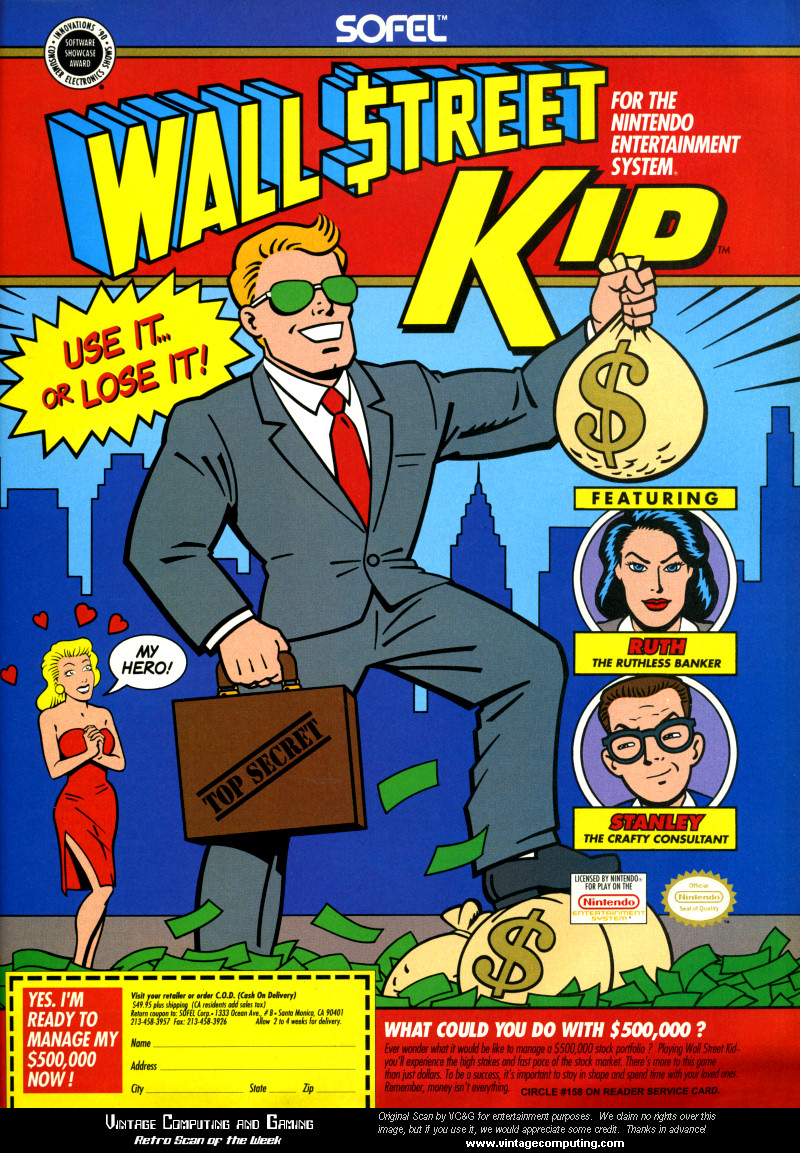
If you want to avoid facing a tough prosecution for malfeasance, be a banker, not a biker.
That appears to be the lesson of Saturday’s front page of the Wall Street Journal, where the lead story was about how Bank of America repeatedly hid its massive bad debt holdings from regulators and investors through a creative accounting device called “repurchase agreements,” and the second story, just above the fold, was about how US Food and Drug Administration prosecutors are “Casting a Wider Net” investigating the use of steroids by competitive cyclists.
According to the BofA story, the bank, during a Securities and Exchange Commission investigation into the real financial condition of the nation’s biggest financial institutions, admitted that at the ends of all the quarterly reporting periods from 2007 through 2009, it had used repurchase agreements, or “repos,” to temporarily shed bad debt before drawing up and releasing its required public filings. That is to say, it managed to lie about and hide from view its weakened liquidity position all through the financial crisis.
Astonishingly, the Wall Street Journal article reports that this practice, known euphemistically in financial industry parlance as “window dressing,” is “not illegal in itself,” unless it is done with the intent of misleading investors. The article is quick to note that “Bof A said its incorrect accounting wasn’t intentional.” (The newspaper didn’t go to the SEC or to any independent source such as an academic expert or lawyer for comment on this laughable whopper.)
BofA, every three months, was transferring mortgage-backed securities briefly to a trading partner in return for a simultaneous agreement to repurchase similar securities from the same partner, once the required SEC filing had been shipped out in the mail. As the Wall Street Journal’s reporter Michael Rapoport writes, “The practice amounts to a bank renting out its balance sheet for short periods; the bank gets fees, and the client on the other end of the trade gets short-time cash.”
If this kind of thing is not deliberate fraud I don’t know what is, and yet the bank, in its statement to the Wall Street Journal, claims the “effort to manage its balance sheet” was “appropriate,” and that the intent behind the shell game was not to mislead investors or regulators, but rather was “to reduce the specific business unit’s balance sheet to meet its internal quarter-end limits for balance sheet capacity.”
How’s that for financial mumbo jumbo?
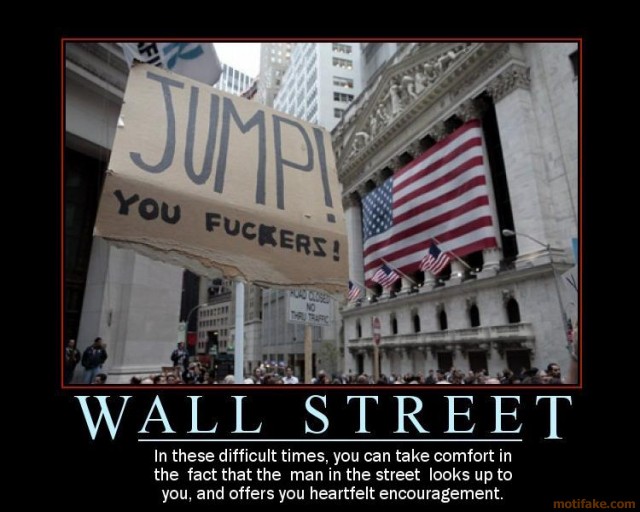
It would be interesting to see how well an ordinary citizen would fare, if he or she used a “repo” type strategy to hide half his or her income from the IRS (the equivalent scam might involve “donating” half of one’s income on December 31 of the tax year to an accommodating charity, and then taking the money back on January 1 of the next year), and then claimed that the fraud was “not intentional.”
But hey, it works for the banks. The article goes on to report that, “Apart from requiring more disclosure about its repo accounting, the SEC hasn’t taken any action against BofA over the matter. The fact that the [BofA] letter [to the SEC] was released suggests the SEC has concluded its review.”
Meanwhile, even as BofA and other financial behemoths get away with accounting murder, and are held harmless after their crooked dealings brought the US and the global economies to their knees, we’re informed that FDA legal bloodhounds are doggedly stepping up their investigation into illegal steroid use by US cyclists involved in the current Tour de France bicycle competition. The FDA is reportedly hoping to get some participants to turn in competitors who are using illegal substances to enhance their physical performance.
In this fishing expedition, the FDA, according to this second Wall Street Journal article by Reed Albergotti and Vanessa O’Connell, is not out to prosecute rank-and-file riders, but rather wants to bring charges against “any team leaders and team directors who may have vacillated or encouraged doping by their riders.”
Clearly, it is viewed by the US government as being critically important that the sport of cycling be kept clean of drugs, so that the Americans who watch the race from the comfort of their sofas and barcaloungers will know that the winners really deserved to win. But it clearly is not very important for Americans to know whether the bank where they put their hard-earned savings, or in whose artificially inflated stock they have invested their IRA or 401)(k) retirement funds, is cooking its books.
It is apparently critically important to know that those who encourage the use of performance enhancing drugs, thus undermining the confidence of America’s sports viewers in the validity of their viewing experience, will be prosecuted to the full extent of the law. It is apparently not that important at all that the people who caused a financial collapse that has pushed real unemployment and underemployment in the US up to close to 20 percent, collapsed the housing market, and put school districts, town and state governments on the brink of bankruptcy, be called to account, made to do jail time, or to perform community service.
The absurdity of this juxtaposition is made all the more clear by the fact that the FDA isn’t even able to come up with a significant charge to bring against the alleged dopers in its intensifying investigation of the cycling sport. As the Journal notes, “Federal investigators are exploring several avenues,” for possible prosecution, including “whether teams defrauded sponsors by failing to race cleanly,” or whether US Tour de France multiple winner Lance Armstrong’s US Postal Service team might have “misused federal funds.”
It’s the old story: steal a loaf of bread for a family and go to jail for years. Deceive national regulatory authorities and steal from a generation of pension investors and get a Troubled Asset Relief Program handout of billions of dollars in taxpayer funds.

