Deconstructing the Michigan State Police official statement on the death of Samuel Dajon Sterling
Last Thursday, the Michigan State Police released an official statement regarding the killing of Samuel Dajon Sterling. Their statement is both infuriating and instructive, so I thought it would be useful to deconstruct the statement.

First, the headline of the statement reads – Fatal Officer-Involved Incident in Kentwood. This phrase, “officer-involved incident” is the police department’s way of attempting to control the narrative from the get go. Such a phrase signals a sense of neutrality, plus it avoids the harsh reality of what actually happened.
The first section of the statement says:
Yesterday, a member of our department was involved in an incident that ended with the loss of life. As an African American male and a father, it’s not lost on me that this is the death of another young African American male following an interaction with police.
As the Director of the Michigan State Police, I want to assure the community that we see you, hear you and will thoroughly and expeditiously investigate the incident.
The beginning of this statement is nothing short of virtue signally, since Col. James F. Grady II wants us to believe that he can relate to the death of Samuel Dajon Sterling. However, we shouldn’t buy this shallow sentiment, since it once again tries to control the narrative, but it also redirects our attention away from the fact that the Michigan State Police killed Samuel Dajon Sterling. In addition, the beginning of this statement does not present the facts of what happened. The Comrades Collective statement made it very clear about what happen. They began their recent statement by saying:
The Michigan State Police murdered Samuel Dajon Sterling by ramming him into a wall with an unmarked police cruiser. The Michigan State Police officer driving the car, then backed up, causing Samuel Dajon Sterling to slide under the car, then the cop ran over Samuel Dajon Sterling’s body again.
Next, when the cop statement says, “I want to assure the community that we see you, hear you and will thoroughly and expeditiously investigate the incident,” you know they are engaging is double speak. The police don’t ever hear or listen to the community, and they only time they see the community, especially the African American community, is as suspects and criminals.
The next section of the Michigan State Police statement reads:
A full investigation of yesterday’s incident is underway. The investigation, which is being conducted by investigators from a neighboring MSP district, will be thorough and objective. Our role is to be finders of fact and to compile those facts in an objective manner.
What we know at this time is limited and still subject to change. There is much investigative work yet to be done and I ask that we let the investigation proceed before drawing any conclusions.
Ok, so how in the hell is it ok that the Michigan State Police is going to investigate themselves? Why is there no outside forensics or legal team that is tasked to do the investigation? When they say, “Our role is to be finders of fact and to compile those facts in an objective manner,” they are again engaging in double speak, since we all know that police departments get to decide what they consider to be facts and what is ignored.
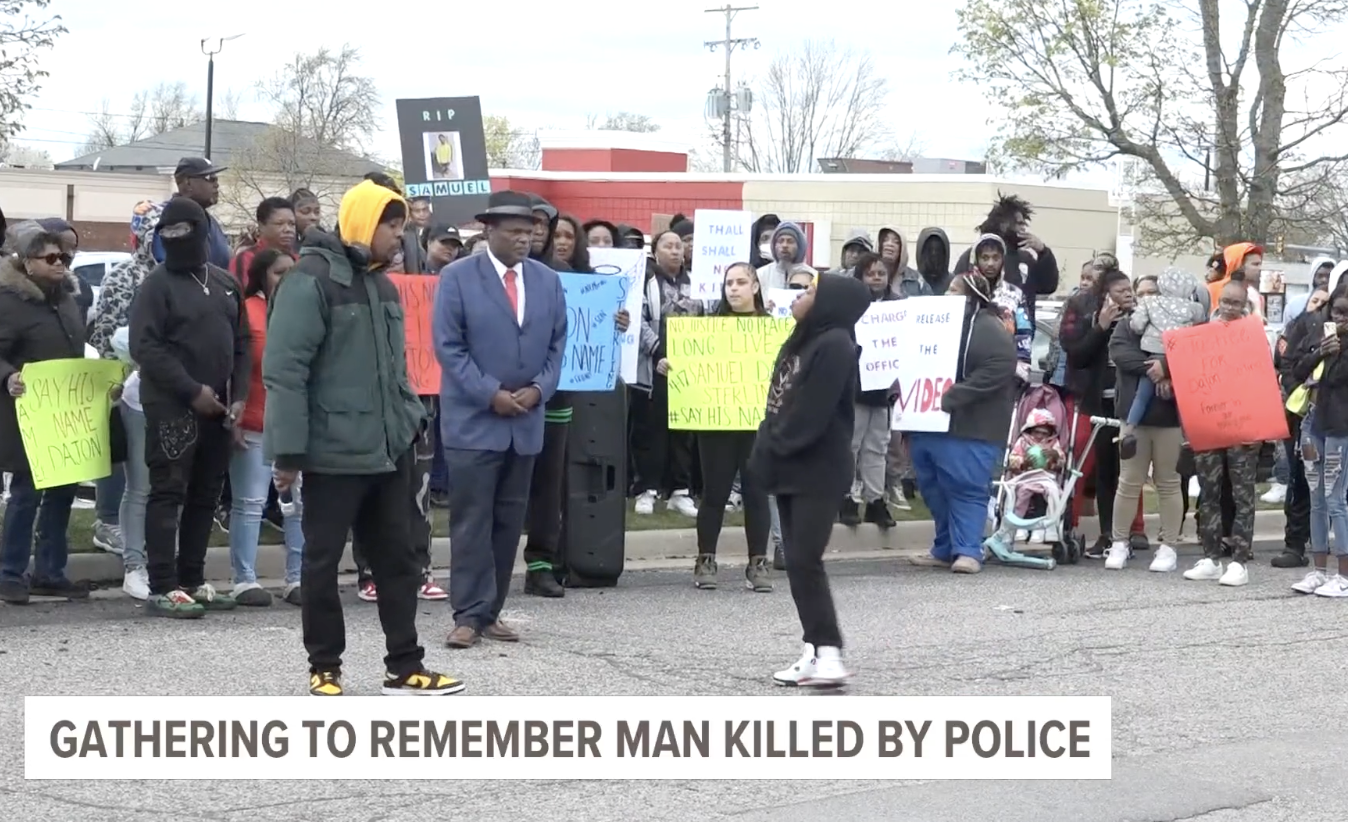
In the third section of the Michigan State Police statement, they then present their reason for targeting Samuel Dajon Sterling.
Our initial investigation shows that the MSP Sixth District Fugitive Team along with members of the Kentwood, Wyoming and Grand Rapids police departments, Michigan Department of Corrections (MDOC) and U.S. Marshals Service, were working a fugitive arrest operation in Kentwood yesterday in an attempt to locate and arrest Samuel Sterling, who was wanted on multiple warrants.
Preliminary reports indicate officers observed Sterling at a gas station at 52nd Street and Eastern Avenue, putting air in a vehicle’s tires, and upon approaching him, he fled on foot.
Several officers pursued him on foot, while one MSP officer in an unmarked vehicle drove parallel to him. They ended up converging in the parking lot of Burger King on Eastern Avenue, where the vehicle driven by the MSP member struck Sterling.
The bulk of this section of the statement reveals the cops motives for wanting to arrest Samuel Dajon Sterling. First, this is the police version, which the news media has been reporting as fact. Second, why do you think an African American might want to flee when being confronted by cops? African Americans and other BIPOC communities are the target of police repression, which often results in death, so for Samuel Dajon Sterling to flee the scene was a reasonable course of action. Third, cops hate it when people don’t obey them. In this case, the Michigan State Police were so enraged that Samuel Dajon Sterling chose to flee, that they rammed him into a wall with a police cruiser, then backed up, then ran over his body.
The Michigan State Police statement concludes with these final two sentences:
Emergency medical support was summoned to the scene and transported Sterling to the hospital, where he later succumbed to his injuries and passed away.
The MSP member driving the vehicle has been suspended pending the outcome of the investigation.
The Michigan State Police statement does two things in their closing comments. First, by stating that emergency medical support was called, they want to demonstrate that they care about people. Maybe, just maybe they shouldn’t have rammed Samuel Dajon Sterling into a wall with their cruiser in the first place. He wasn’t armed and was not a threat to anyone. Secondly, they are attempting to say that there are some consequences for the cop who was driving the car that rammed Samuel Dajon Sterling into a wall. The cop who is temporarily suspended will probably still receive pay. This is NOT a consequence, this is a weak attempt at throwing a bone to the community who is outraged and traumatized over the murder of Samuel Dajon Sterling.
Ultimately, the statement released by the Michigan State Police was nothing more than an attempt to divert the community’s attention. The statement engages in virtual signally and double speak, while justifying the involvement of 5 separate law enforcement agencies to arrest someone they had warrants on, only to end up killing Samuel Dajon Sterling. In the end, nothing will fundamentally be done about the fact that another Black man has been killed by the police, especially since police killing of Black people is now the norm. The only way to not normalize the police killing of Black people is to build a movement to defund the police and invest in BIPOC communities.
Palestine Solidarity Information, Analysis, Local Actions and Events for the week of April 22nd
It has been more than 6 months since the Israeli government began their most recent assault on Gaza and the West Bank. The retaliation for the October 7 Hamas attack in Israel, has escalated to what the international community has called genocide, therefore, GRIID will be providing weekly links to information and analysis that we think can better inform us of what is happening, along with the role that the US government is playing. We will also provide information on local events and actions that people can get involved in. All of this information is to provide people with the capacity of what Noam Chomsky refers to as, intellectual self-defense.

Information
‘Brutal’ Is a Word Mostly Reserved for Palestinian Violence
US senator recommends ripping skin off Gaza protesters
“Fear and Terror”: Gaza Photographer Ahmed Zakot on Documenting the Carnage of Israel’s Assault
US College Students Demonstrate in Solidarity With Palestinians, Columbia Protesters
Legislation in the Time of “Plausible Genocide” and Election Cycles
Israel Attack on Iran Is What World War III Looks Like
THE SECRET U.S. ALLIANCE THAT DEFENDED ISRAEL FROM IRAN ATTACK
Analysis & History
Palestine Talks | Norman Finkelstein
Local Events and Actions
Power the Palestine: Weekly Protest in Grand Rapids
Wednesday, April 24 at 12 – 1pm, Monument Park
https://www.facebook.com/events/793356832844232
Graphic used in this post is from https://visualizingpalestine.org/#visuals
Comrades Collective Statement on the Michigan State Police murder of Samuel Dajon Sterling
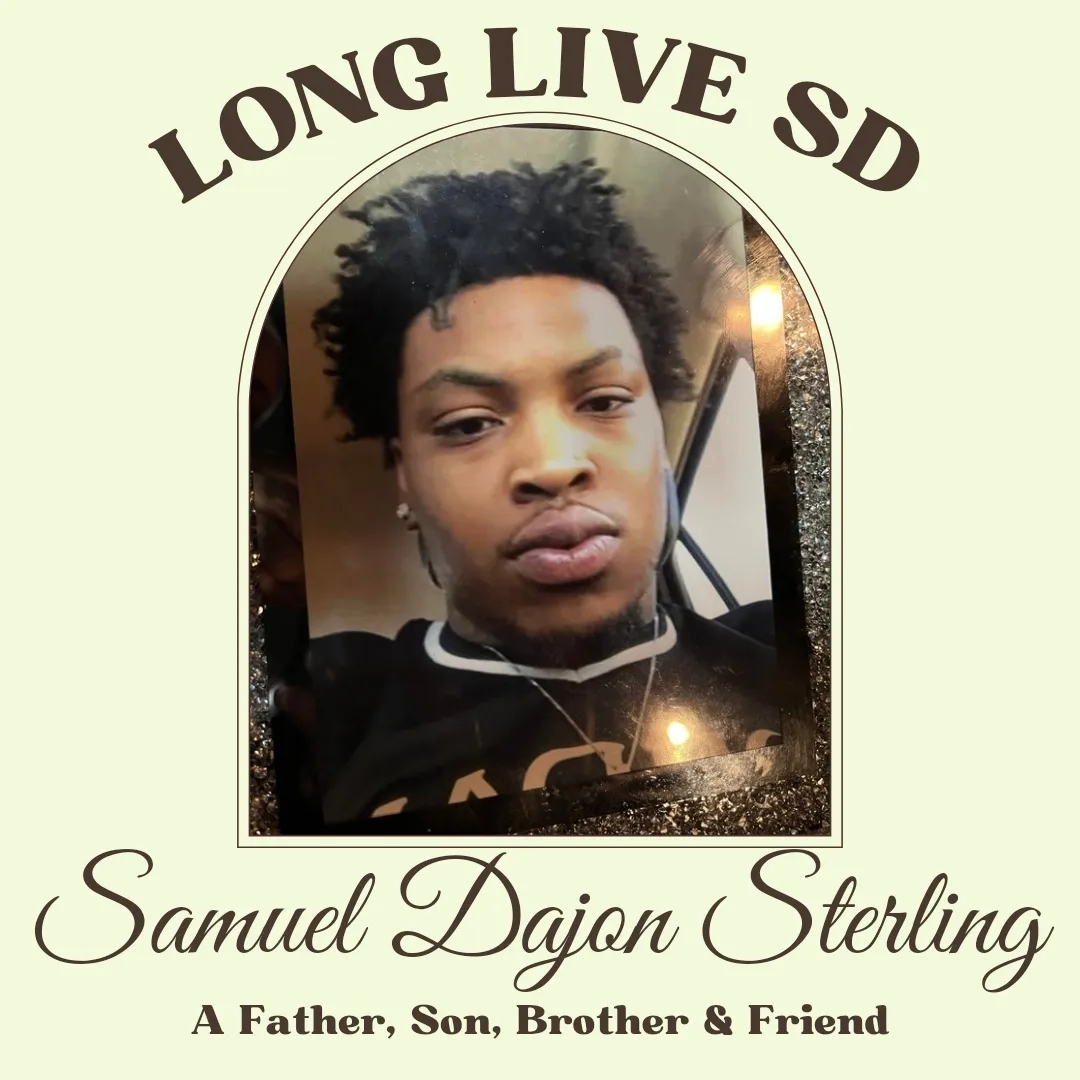 Editor’s note: I am re-posting a statement by the Comrades Collective regarding the Michigan State Police murder of Samuel Dajon Sterling.
The Michigan State Police murdered Samuel Dajon Sterling by ramming him into a wall with an unmarked police cruiser. The Michigan State Police officer driving the car, then backed up, causing Samuel Dajon Sterling to slide under the car, then the cop ran over Samuel Dajon Sterling’s body again.
What will it take for us to be outraged at a system which brutalizes Black people? What will it take for all of us to see that this is how policing functions in this country? What the Michigan State Police did was not an aberration, and it was not because of a lack of training. Samuel Dajon Sterling was unarmed and not a threat to anyone, especially not to the cops who came after him.
Samuel Dajon Sterling was a father, son, and brother. His family has been traumatized at what the Michigan State Police did to him. Samuel Dajon Sterling’s family is enraged, because someone in their family has now become the victim of another police killing.
In fact, police kill Black people in this country at an alarming rate. According to mappingpoliceviolence.org, there have already been 326 people killed by the police in 2024. At this pace it is likely that police will have killed over 1,000 this year, just like they have done every year since 2013, then Mapping Police Violence began tracking this information. On top of the outrageous number of people killed by cops, African Americans are 3 times more like to be killed by those who claim to protest and to serve.
Unfortunately, none of this should come as a surprise, since the laws most often protect the police and the government is always providing them with more and more funding. In late 2022, Michigan Governor Gretchen Whitmer signed into law a massive funding bill that directed hundreds of millions of dollars to the Michigan State Police, funding that could have gone to our communities. In 2021, the Michigan State Police spent $57 million of the taxpayers money to build a state of the art facility in Walker, Michigan. Again, funding that should have done to communities, not for more policing. This is why we say funding for care, now cops.
Samuel Dajon Sterling has now become another name that we have to say. We have to say his name because we can never forget who he was, and we can never forget that the Michigan State Police killed him. However, as members of the Comrades Collective, we don’t want to keep having to say names, we want to see an end to people being killed by the police, especially African Americans.
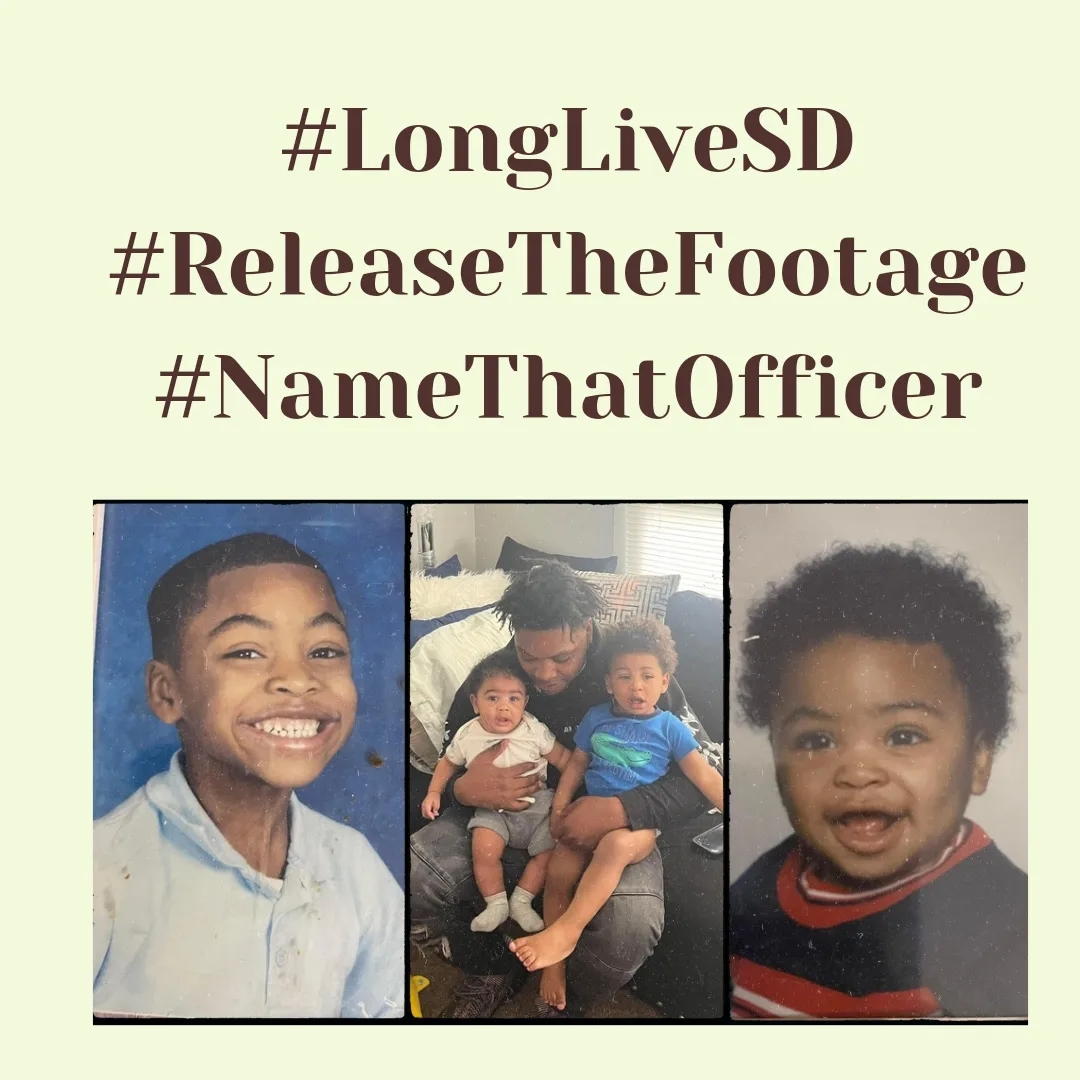 As police abolitionists, we want far more than what the system that killed Samuel Dajon Sterling can offer – because the system that killed him is not set up to provide justice for his family and loved ones.
If you want to provide any financial support to Samuel Dajon Sterling’s family, you can contribute to a Go Fund Me site created in his name.
The Comrades Collective will also be provide crowd safety at the rally to remember Samuel Dajon Sterling this Saturday, because we protect us!
Earth Day began in the US back in 1970. Grand Rapids participated in the first Earth Day celebration, which I have written about previously.
Since 1970, Earth Day has often been presented as a feel good event, where people come together and engage in clean up projects or promote recycling, actions which do not threaten systems of power and generally maintain the status quo.
However, as the environmental movement grew communities of color around the country began to question the sincerity of the mostly white-led environmental groups. Not only did BIPOC people feel that what environmental groups were doing were too safe, what they focused on had little impact on the issues facing BIPOC people.
Beginning in the late 1970s, BIPOC communities realized that the environmental issues they were faced with were not on the radar of the white-led eco groups, such as respiratory issues, mining on Indigenous lands, farmworkers being exposed to pesticides, the lack of clean water and clean air, especially in urban spaces inhabited by BIPOC communities.
BIPOC communities eventually came together and created the Environmental Justice movement, a movement which has 17 guiding principles. These principles center the lived experience of BIPOC people, so they respect and embrace Native Sovereignty, they opposed corporate power, they respect workers rights and they denounce militarism. Principle #15 states:
Environmental Justice opposes military occupation, repression and exploitation of lands, peoples and cultures, and other life forms.
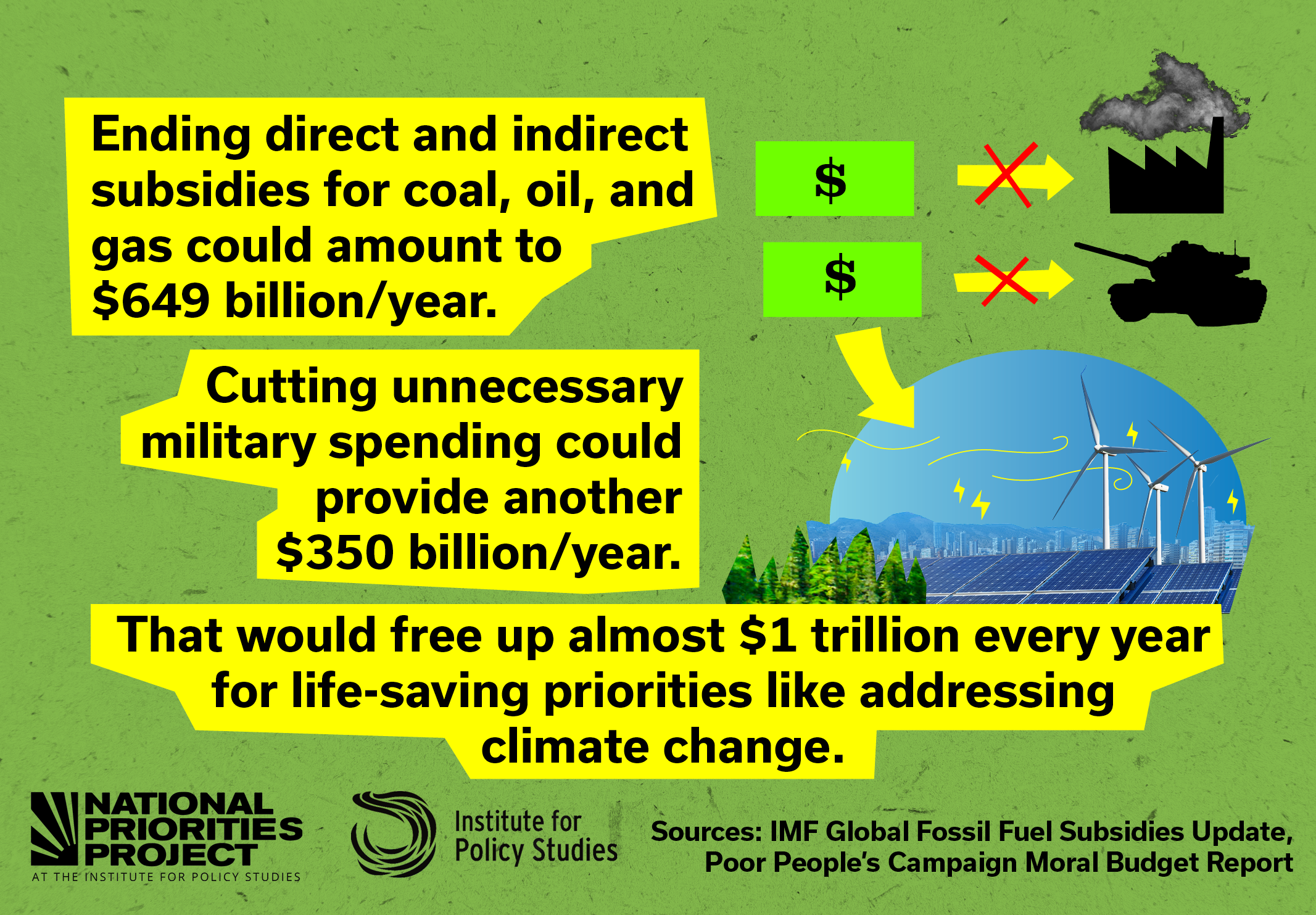
This principle, which opposes militarism is even more important today, especially when it comes to the US. The US military budget in the largest on the planet. In fact, the US military budget is bigger than the next 10 largest military budgets around the world combined.
In 2009, Barry Sanders wrote a book entitled, The Green Zone: The Environmental Cost of Militarism. In that book, which is 15 years old, the author states that if you look at all of the military vehicles, the tanks, the ships and the planes that the US military has in its arsenal, they consume 2 million gallons of oil per day (in 2009).
The US military also destroys eco-systems when they construct military bases around the world, of which there are some 800. The US military engages in significant levels of environmental contamination, such as all the toxic materials they use and the use of Depleted Uranium in many of the weapons they have been using since 1991. In addition, when the US military invades another country they not only kill people, but other species and they destroy until ecosystems.
 However, maybe the most egregious aspect of US militarism is its connection to the current climate crisis. An excellent study of the connection between militarism and Climate Change is a report from the Transnational Institute, entitled, Climate Collateral: How military spending accelerates climate breakdown. The introduction of the report states:
As the world’s climate negotiators gather for their annual summit (COP27) in Egypt, military spending is unlikely to be on the official agenda. Yet, as this report shows, military spending and arms sales have a deep and lasting impact on the capacity to address the climate crisis, let alone in a way that promotes justice. Every dollar spent on the military not only increases greenhouse gas (GHG) emissions, but also diverts financial resources, skills and attention away from tackling one of the greatest existential threats humanity has ever experienced. Moreover, the steady increase in weapons and arms worldwide is also adding fuel to the climate fire, stoking violence and conflict, and compounding the suffering for those communities most vulnerable to climate breakdown.
Another excellent report is from the Institute for Policy Studies, entitled, No War, No Warming: How Militarism Fuels the Climate Crisis. From the report’s introduction:
In this report, we’ll lay out how militarism and the climate crisis are deeply intertwined and mutually reinforcing. The military itself, we explain, is a huge polluter — and is often deployed to sustain the very extractive industries that destabilize our climate. This climate chaos, in turn, leads to massive displacement, militarized borders, and the prospect of further conflict.
If you are a member of an environmental organization or make donations to them, I challenge you to make a pledge to not support those organizations until they commit to combating militarism. As long as the US spends more on militarism, it means we are not spending money to radically alter our energy system away from fossil fuels to renewable energy. As a country and as a world, we can no longer afford militarism, not if we are serious about trying to minimize the harm being done under the current climate crisis. You can’t call yourself environmentally conscientious and still support militarism.
On this Earth Day and every day, let’s commit to ending militarism and redirecting the financing of militarism to meeting the needs of humanity and reducing the human impact on eco-systems in our community, around the country and all over the world.

Last year GRIID posted some articles about the 2023 Policy Conference hosted by the Grand Rapids Chamber of Commerce. I noted in that article that the GR Chamber of Commerce has a vision, but most people are not part of it.
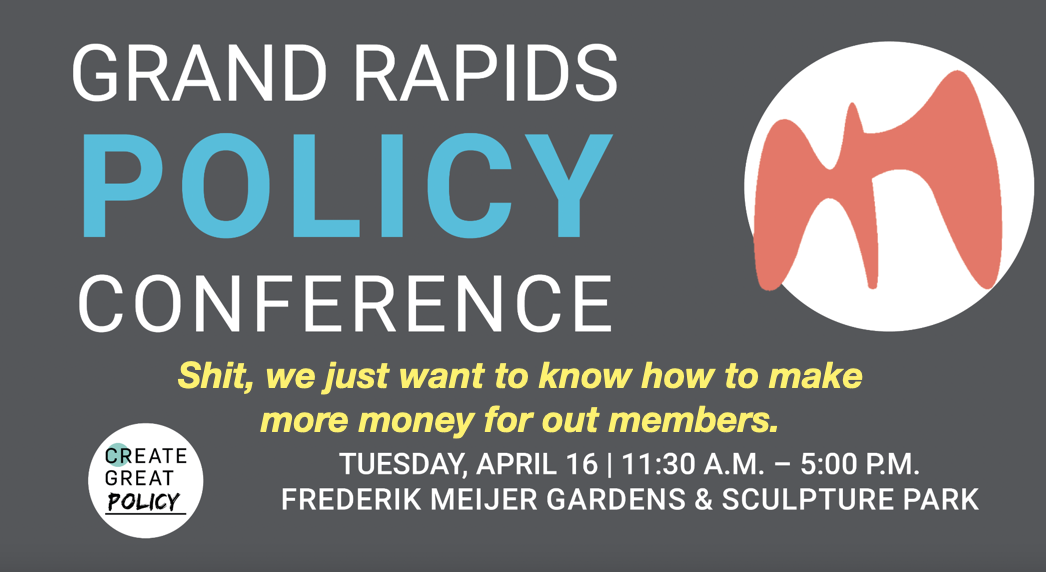
I also did a follow up to that analysis piece with a second article talking about who attended the annual event and what that means in terms of their priorities.
On Tuesday, the Grand Rapids Area Chamber of Commerce held its 2024 Policy Conference at Frederick Meijer Gardens. To attend such an event you needed to pay $200 as a member or $250 for non-members. For an event that costs that much and lasted only 5 hours, made it prohibitive for most people to attend.
The featured speaker for the event was predictably made up of politicians and business leaders. There was also a presentation about a recent poll that the Chamber of Commerce had done by contracting with a Virginia company called TargetPoint. Based on the results, the number of people who were polled was small, only 83. We don’t know who the polling questions were sent to, but my guess would be Chamber of Commerce members, meaning people who part of the economic elites in West Michigan.
However, besides discussing the polling numbers, most of the day seemed to be spent on local elections, particularly the candidates running for Mayor of Grand Rapids. There was a panel discussion entitled, Local Government Leaders on Future Prosperity, a discussion that no doubt centered around the ongoing development projects in Grand Rapids, what are often referred to as Transformational Projects. This is usually what the Chamber center’s their attention around, meaning what kinds of projects can we promote to bring more revenue to business owners, especially in the downtown area.
Still, elections, the election process and candidates were the focus of the day. The Grand Rapids Chamber of Commerce invited David LaGrand and Senita Lenear, both of who are running for Mayor of Grand Rapids. There is a 3rd mayoral candidate, Steve Owens, but he was not invited.
The question I would have for both David LaGrand and Senita Lenear is, why would you agree to meet with the Grand Rapids Chamber of Commerce, which represents a small sector of the city, especially considering their track record for funding candidates that embrace neoliberal capitalism, along with pushing ordinance changes that essentially criminalized the unhoused in order to keep they away from profit making entities?

Earlier this year, GRIID posted a piece about LaGrand and Lenear as mayoral candidates, making the point that neither candidate was interested in challenging systems of power and oppression in this city, based in part by their platforms, along with who some of their larger campaign contributors are. However there is another quarterly campaign finance deadline coming up next week, so we’ll see an updated version of campaign financing for both LaGrand and Lenear.
Earlier today, MLive posted a story with the headline, Michigan Democrats win special elections to regain full control of state government.
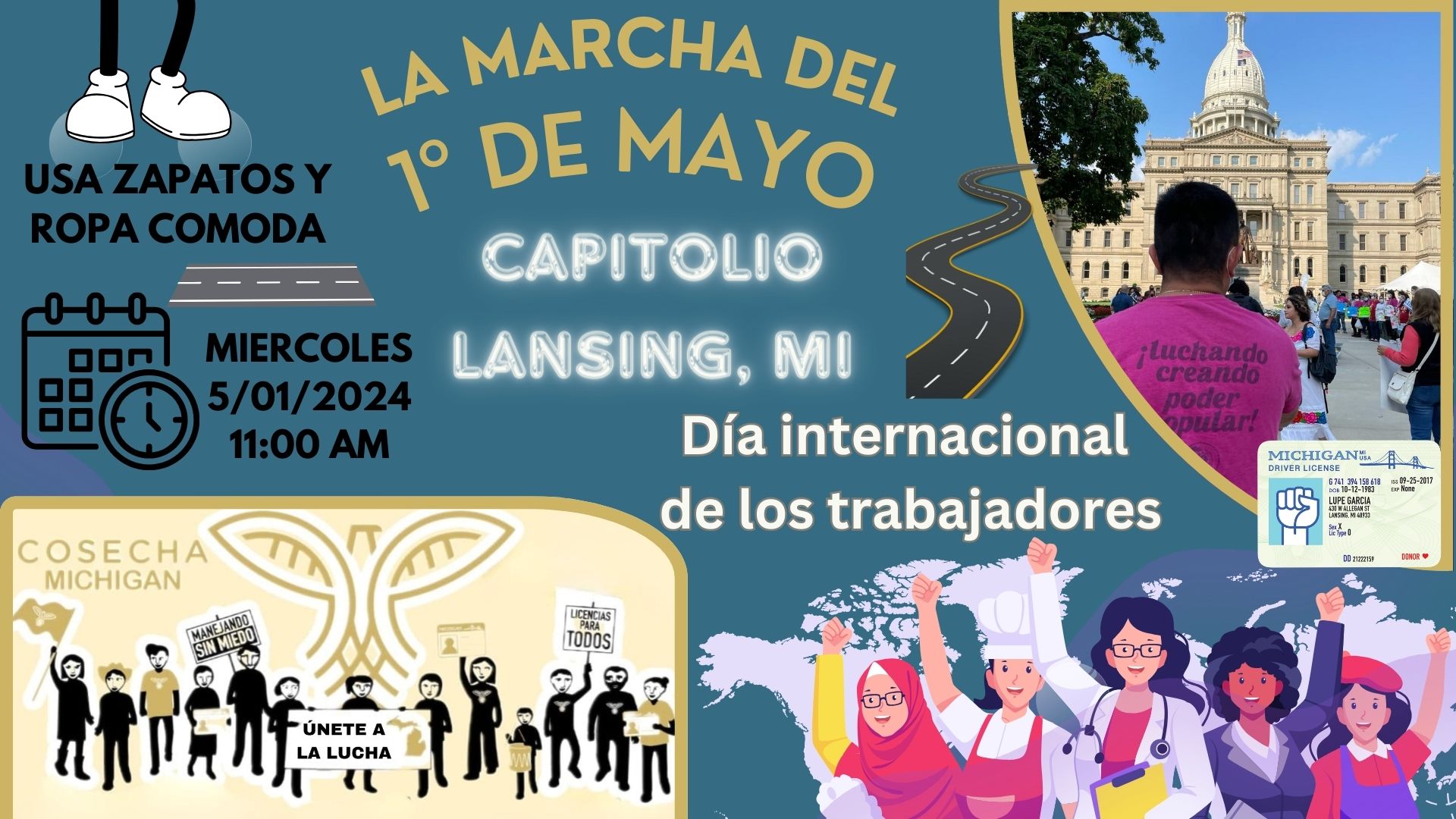
With the Democrats now back in control of the State Legislature and the Governor’s office, they no longer can give any excuses for not passing the Drive Safe Bills that were re-introduced in April of 2023. According to the Democrats who sponsored the Drive Safe Bill, this legislation does the following:
The Drive SAFE (Safety, Access, Freedom, and the Economy) bill package would apply to everyone living in Michigan who meets the definition of having a residence in the state and is being introduced to increase public safety, grow local economies and preserve human dignity.
The push to win driver’s licenses for all began in 2017-2018, when Movimiento Cosecha began organizing around that demand, partly because one of the main reasons that undocumented immigrants end up being picked up by ICE is when they are stopped by police.
Movimiento Cosecha has been pushing this issue in Michigan for the past 6 years and were told over and over again in 2022 that if they supported Democratic candidates at the state level, that driver’s licenses for all would pass. This has not happened, so Movimiento Cosecha began to pressure the Democrats again in Lansing in 2023, with demonstrations and even occupying the offices of prominent Democrats like Senator Winnie Brinks, which happened in November of 2023.
The MLive article about the Democrats regaining control of state government stated at the very end, “Lawmakers will be working against the clock. They are set to take a summer break at the end of June and representatives will soon begin campaigning in their districts.” It is true that elected officials will spend the bulk of their time between now and the November election trying to get re-elected, so the window for them to pass the Drive Safe Bills should happen before they go on summer break.
In a recent communique from Movimiento Cosecha, they state:
As we do every year, Movimiento Cosecha Michigan is gearing up for our May Day march “International Workers Day,” and this year, we’ll be marching in Lansing. Our ongoing efforts to advocate for the passage of the Drivers Licenses for All bill have positioned us at the forefront of this fight, and now we’re taking our message directly to the Michigan Capitol to keep the pressure on legislators.
Undocumented workers across Michigan drive every day to sustain our state’s operations, and they deserve the right to Drive without Fear. We’re asking for your support to make this march a success, and there are several ways you can get help us:
- Promote and join the march on May 1st. 2024 at 11 am at the Capitol in Lansing.
- Here is the FB event https://fb.me/e/55yQhKpcJ
- Here is the FB event https://fb.me/e/55yQhKpcJ
- Take a role:
- Crowd safety (training is required): It will be a zoom training on Sat 4/20 at 6:00 pm bit.ly/zoomcosechagr
- Crowd care (no training required): Handing out water or snacks and checking on the well being of marchers
- Street Medic (previous training is required): Recognize and address minor accidents during the march.
- Drive people to and from the march from your community
- Crowd safety (training is required): It will be a zoom training on Sat 4/20 at 6:00 pm bit.ly/zoomcosechagr
- Support financially the costs of the march like transportation, food, materials, etc.
-
- Write a check to Movimiento Cosecha and reach out to one of the Cosecha Michigan members. (Your contribution is tax deductible)
- Donate online https://secure.actblue.com/donate/cosecha-michigan
- Donate food, snacks, drinks, etc at the meeting places:
- 9:00 am in GR St. Dominic’s church (50 Bellevue Ave. SW Grand Rapids, MI)
- 11:00 am at the Capitol in Lansing (100 N. Capitol Ave. Lansing, MI)
- 9:00 am in GR St. Dominic’s church (50 Bellevue Ave. SW Grand Rapids, MI)
- Write a check to Movimiento Cosecha and reach out to one of the Cosecha Michigan members. (Your contribution is tax deductible)
A few days back, the Grand Rapids Chamber of Commerce posted on their Facebook page an article from Forbes entitled, 5 Ways A Growing City Can Define Their Brand, an article which highlighted Grand Rapids.
Before we jump into the 5 talking points I wanted to just address the idea of cities creating a branded identity. Branding is essentially a PR tactic, to that people can identify your brand based upon an image, a logo, a phrase or a tag line. Everyone knows the golden arches or the Nike swoosh, corporate branded identities that people are bombarded with in advertising and PR campaigns. However, for cities to brand their identify would on face value seem more complex. For Grand Rapids it means that they are trying to appeal to a certain demographic or targeted audience in their brand. As I have noted in numerous GRIID posts over the years, Grand Rapids tends to target businesses, the professional class and tourism as their primary targets in their brand identity. In fact, much of the Grand Rapids identity has been centered on what the city offers in the downtown area, which is both the primary economic and tourism hub.

Now let’s look at the 5 Ways A Growing City Can Define Their Brand, I will post what the article includes for each of the 5 ways, but one at a time, followed by a GRIID response.
1) Start By Sharing Your City Name. Located in the heart of the manufacturing Midwest, Grand Rapids, Michigan may be an unlikely candidate to be one of the best places to live, work, study, retire and raise a family. But the city of 200,000 (metro over 1 million) appears in more top lists than any of its size and stands up competitively with any major metro.
GRIID response – apparently self-promotion is what Forbes identifies in the first way to brand a city. Grand Rapids certainly has done that, appearing in numerous lists, but let’s be clear the lists are pro-market orgs listing Grand Rapids in their lists. The lists are not centered on social justice, equity, or collective liberation.
2) Organize Leaders In The Community. Grand Action, an organized group of action-oriented leaders, partnered to create necessary amenities to attract and retain talent. They built the 12,000-seat Van Andel Arena as well as a massive convention center in DeVos Place, a downtown market, community theater and played a part in luring a major medical school from a Big Ten University.
GRIID response – Of course the Forbes article cites Grand Action as “leaders.” Grand Action was a brain child of the DeVos family and other members of the local power structure. Grand Action has pushed projects, beginning with the Van Andel Arena and most recently the outdoor Amphitheater and Soccer Stadium, which primarily benefits the companies that own downtown restaurants, bars, entertainment venues and parking lots. In addition, Grand Action has revolutionized the private/public partnership, which translates into the transfer of public money into privately owned and controlled projects. In addition, by naming Grand Action as the entity organizing leaders, it means that working class people, labor unions, grassroots groups, BIPOC communities and other marginalized groups are not seen as leaders.
3) Embrace New Industries For Growth. Grand Rapids’ metro has long boasted a successful group of privately held businesses. Several appear in Forbes’ top privately held businesses list. Grand Rapids and, to a larger degree, West Michigan as a whole, established itself long ago as “furniture city.” Office furniture giants MillerKnoll, Steelcase, and Haworth are all headquartered there. While the global growth of Amway created another boom, the dominant regional growth of Midwestern leading grocery chain Meijer launched yet another. And there’s no slowing down ahead, as top-10 global insurance broker Acrisure is ushering in insurance and tech booms driving more growth and jobs.
GRIID response – So, new industry growth means industries and companies such as MillerKnoll, Steelcase, Haworth, Meijer and Amway, which just happened to be run by the most powerful families in the area, are good for Grand Rapids branding. The Forbes article even cites Dick DeVos in #3 as someone who can attest to the “creativity” of the business community in Grand Rapids. Of course the business community here is creative, since they push the whole use of public money for private gain, since they use campaign contributions to get state policies that benefit their bottom line, since they use their foundations to fund non-profits who provide social services and don’t question the wealth gap in this community……of course they are creative when it comes to screwing over the general population to get what they want.
4) Have Hard Conversations. Not all efforts are focused on creating the next big thing, however. Some of the biggest needs any city faces appear when challenges arise; where success is determined by how a city leans in (or doesn’t) to exploring and implementing long-term solutions, such as what Grand Rapids has faced when seeking to ensure safety for all people and care for unhoused populations.
GRIID response – Wow, talk about arrogance and ignorance. The very policies that the City of Grand Rapids embraced to “ensure safety for all people and care for unhoused populations,” was nothing more than members of the Grand Rapids Power Structure coming together to get what they wanted. Of course, getting what they wanted in this instance was increased policing and criminalizing the unhoused.
5) Play To Your Strengths. When others are asked to define Grand Rapids, the answer is not about being the biggest, and it doesn’t seek to be. It’s a right-size city. It has an affordable but robustly growing housing market, backed by a community that prioritizes maintaining this trajectory. As recently as 2019, Realtor.com’s hottest zip code in America was 49508, nestled squarely on the south end of Grand Rapids. Interior designers and planners like Jean Stoffer, host of Magnolia Network’s The Established Home, have been drawn to the area to work, film, and help improve the lives of others in the city and surrounding neighborhoods.
GRIID response – I’m sorry, but the housing market in Grand Rapids is anything but affordable. There were 80 people at last Saturday’s Tenant Assembly who would beg to differ with such a claim. To support their claim, Forbes once again cities an industry spokesperson from the Magnolia Network’s The Established Home, rather than talking to people in Grand Rapids who have any sense of the housing crisis in this city.
In the end it makes perfect sense that the Grand Rapids Chamber of Commerce, which represents to Capitalist Class in this city, would post a Forbes article talking about how to brand your city. Just talk to the wealthiest people and the organizations they operate if you want input on how to brand Grand Rapids and make it a tourist destination. This is exactly what Forbes did and the Grand Rapids Chamber just assisted them in promoting what they are ideologically committed to – expanding the wealth gap in Grand Rapids.
Rep. Hillary Scholten voted for bill that will allow the US Government to spy on US residents
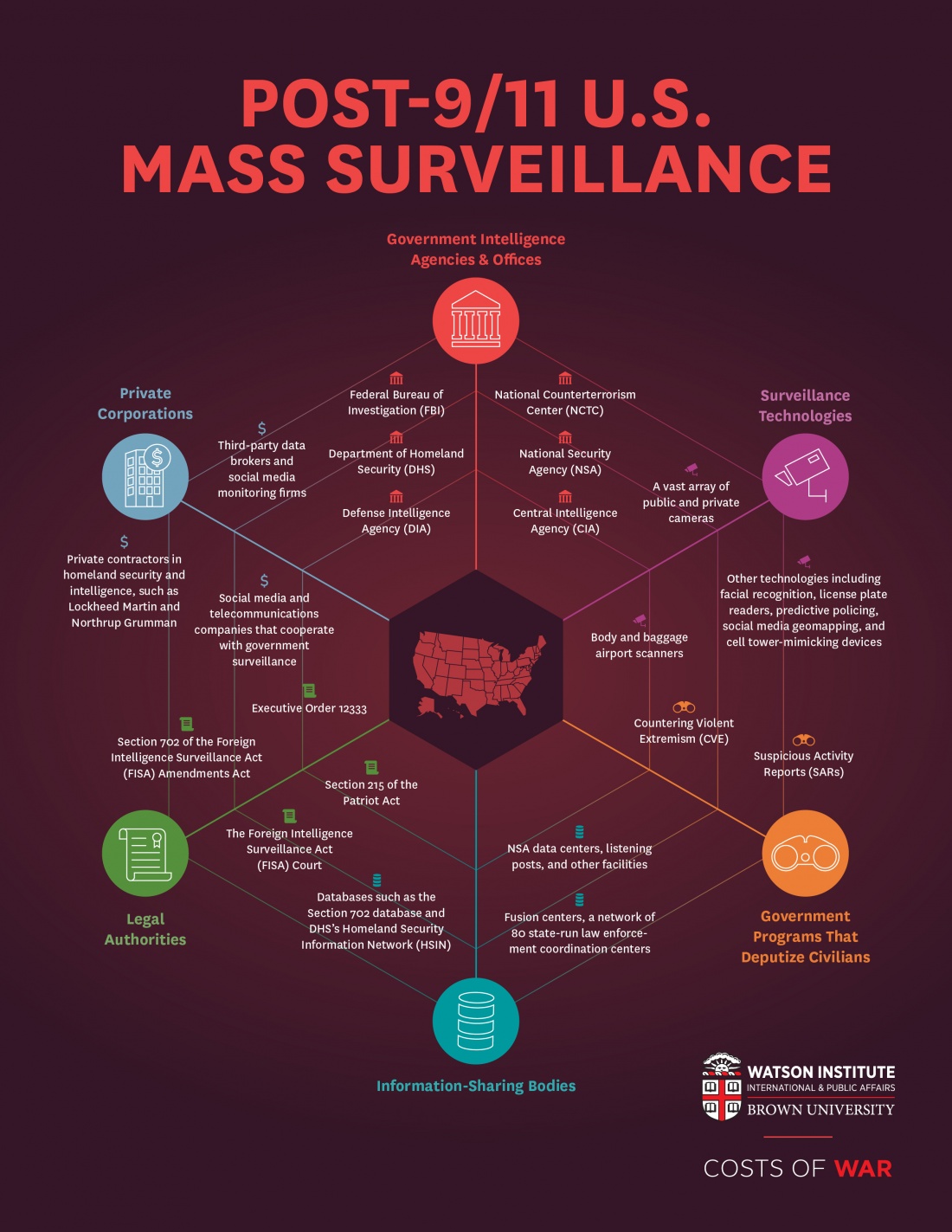 Last Friday, the US House of Representatives voted on H.R. 7888, the Reforming Intelligence and Securing America Act. This bill was passed in the US House by a margin of 273 – 147, with 11 members of Congress opting to not vote.
The vote was evenly split between both parties and 3rd Congressional District Representative Hillary Scholten voted for the bill. Scholten did not post anything about her decision to support US Government spying on US residents, both on social media or her Congressional page.
One response from a progressive organization stated:
“The first amendment would put in place the largest expansion of domestic surveillance since the Patriot Act… and I don’t say that lightly,” Elizabeth Goitein, co-director of the Liberty and National Security Program at the Brennan Center for Justice, wrote on social media late Thursday. “It would hugely inflate the universe of companies required to assist the government in conducting surveillance.”
The ACLU also released a statement highly critical of the vote, which read in part:
When the government wants to obtain Americans’ private information, the Fourth Amendment requires it to go to court and obtain a warrant. The government has claimed that the purpose of Section 702 is to allow the government to warrantlessly surveil non-U.S. citizens abroad for foreign intelligence purposes, even as Americans’ communications are routinely swept up. In recent years, the law has morphed into a domestic surveillance tool, with FBI agents using Section 702 databases to conduct millions of invasive searches for Americans’ communications — including those of protesters, racial justice activists, 19,000 donors to a congressional campaign, journalists, and even members of Congress — without a warrant.
The ACLU statement also made the following point:
In the last year alone, the FBI conducted over 200,000 warrantless “backdoor” searches of Americans’ communications. The standard for conducting these backdoor searches is so low that, without any clear connection to national security or foreign intelligence, an FBI agent can type in an American’s name, email address, or phone number, and pull up whatever communications the FBI’s Section 702 surveillance has collected over the past five years.
How can any politician, especially those who claim to protest the rights of US residents, vote in favor of legislation that will promote US Government surveillance and spying? Shame on you Rep. Scholten.
Grand Rapids Tenant Assembly successfully got renters together to talk about building a movement centered on building tenant power
On Saturday, roughly 80 tenants and allies gathered in the Linc Up gallery at an event hosted by the Grand Rapids Area Tenant Union and the Community Owned Safety Coalition.
Most of the day was spent in smaller breakout groups, where tenants shared their collective experience as renters, how tenants can collectively organize to win housing justice demands, how to combat the threat of evictions, along with how to work on local and state policies that center housing justice, such as rent control.
As a volunteer organizer with the Grand Rapids Area Tenant Union, since it began in March of 2020, I wanted to share the information I presented to those in attendance at the Tenant Assembly, information that was meant to provide some historical context around the fight for housing justice and how the movement is framing the fight for Tenant Power. What follows is a written form of what I presented, which includes some of the slides I used. To view all the slides go here.
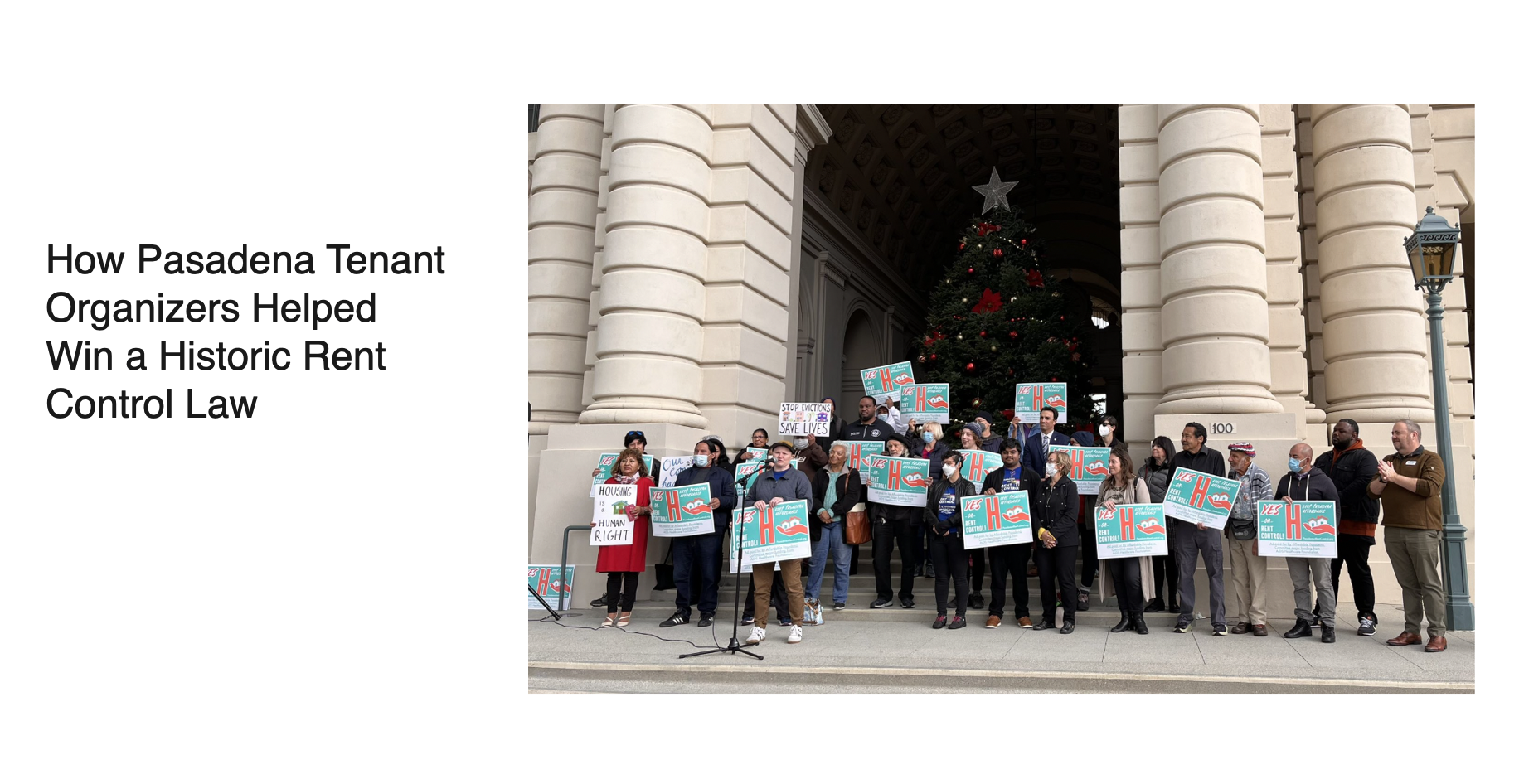
I began by talking about an example of what tenant power can look like, by talking about what a tenant union did in Pasadena, California. (See slide above) In 2022, tenants won comprehensive rent control, including protections from retaliation against tenants who were trying to organize.
Next, I showed a slide headlined What Are We Here for? In that slide I identified what the tenant movement was built on, which included:
- To create Tenant Solidarity – was in which we can support each other as tenants
- To fight against exploitation from Landlords and Property Management Companies
- To demand housing as a human right. This is different than fighting for more affordable housing, since that tactic is woefully inadequate.
- To demand living wages. If we have real living wages which would be enough to cover current rental costs and all of our other expenses within the Capitalist system, then we would not need “affordable housing for a few”
- To build Tenant Power. This is the ultimate goal, with tenant power being the ability to win our collective demands no matter what the housing market tries to impose upon us.
In the 3rd slide, I discussed how we got in the predicament we are in. Again, I included 5 major points, which included:
- We have an economic system of Capitalism that sees housing as a commodity, not as a right for everyone.
- In response to the 2008-2009 economic crash, the US Congress provided a $700 Billion bailout, the primarily went to Wall Street, to large Banks, to Insurers and to the Auto Industry.
- Currently in the US, there are 7.4 million families that live in poverty.
- If Congress had bailed out the 7.4 million families living in poverty, each of those families would have received $94,594.00
- In addition, the 2008-2009 economic crash saw the rise of corporate housing owners, like Blackrock, which alone is worth $120 Billion. See the report Wall Street Landlords turn American Dream into a Nightmare.
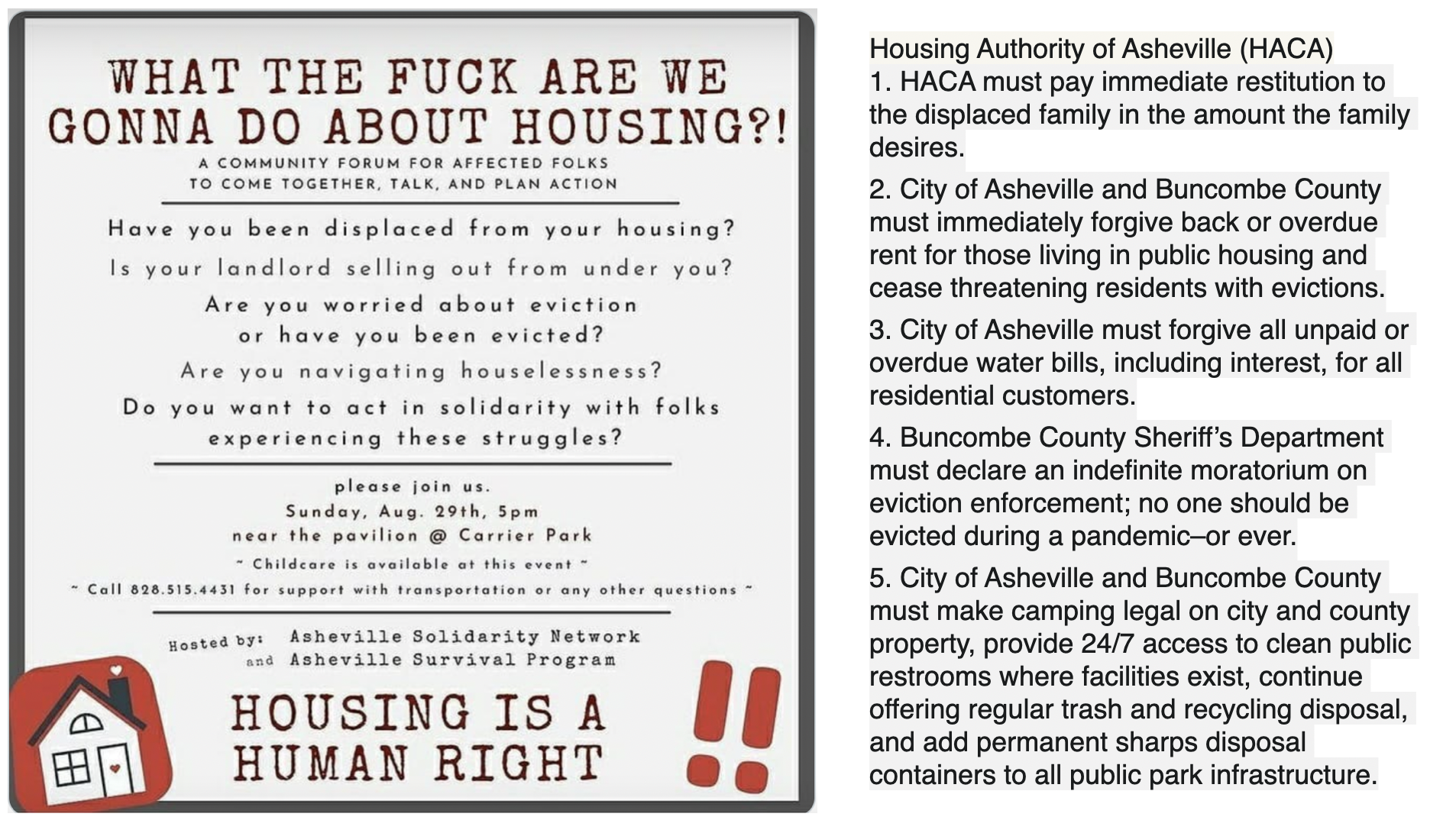
In the fourth slide, I went back to looking at another tenant victory, this time in Asheville, North Carolina. Included here is a great flyer from the community in Asheville, along with what they won.
After discussing another concrete tenant victory, I then showed this graphic, which comes from the National Low Income Housing Coalition, which tracks the cost of rent in every state along with the average cost in cities like Michigan. You see here that they note that in the Grand Rapids area, for people to afford the cost of rent for a 2-bedroom apartment, you would have to earn $25.50, just to cover your rent costs each month.

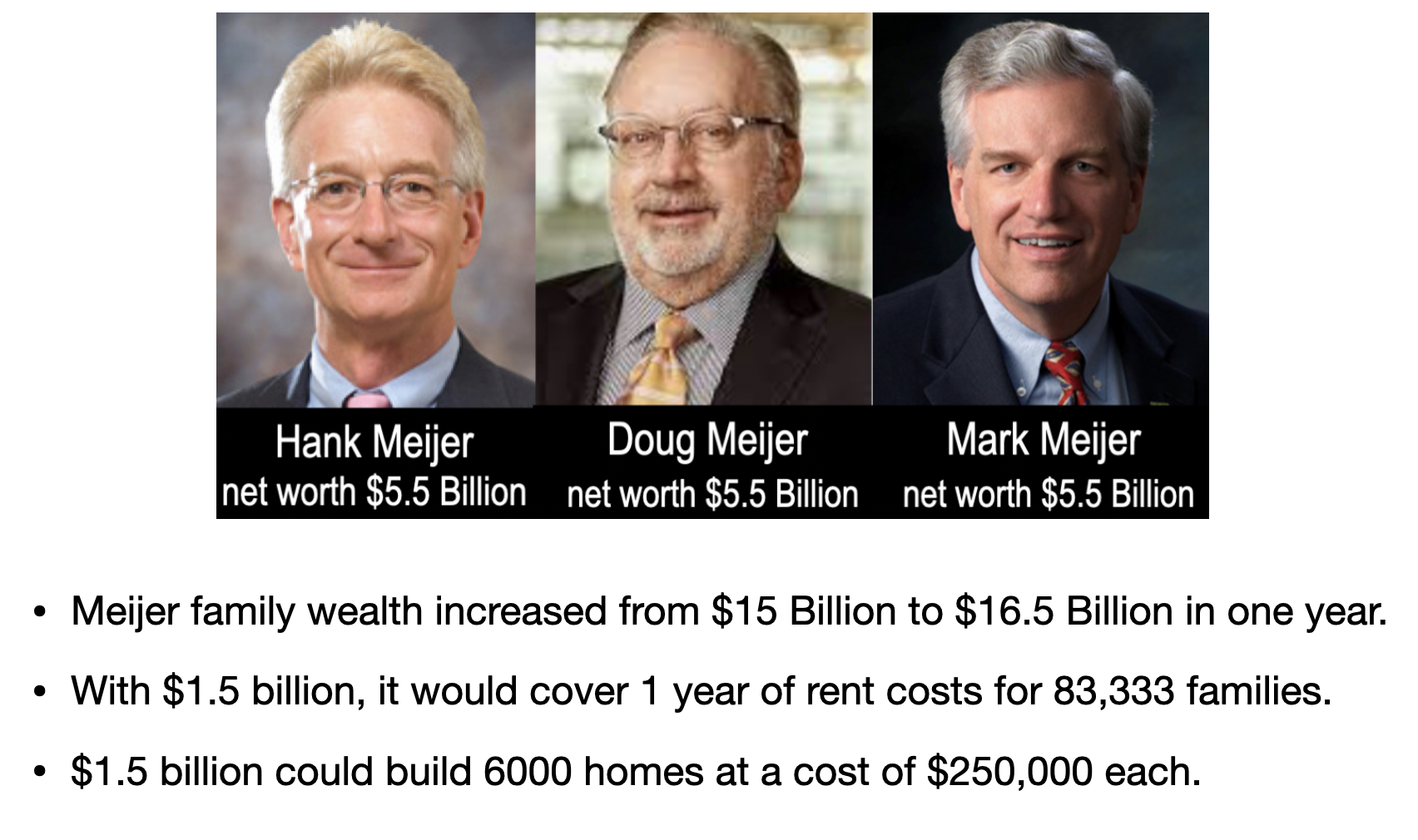
Building on the wealth disparity in the cost of housing across the US and in the Grand Rapids area, I then talked about the wealth gap that exists in this community, using the wealth of the Meijer family as an example. According to a recent Forbes posting about family wealth in the US, the Meijer family is one of the richest in the country with $16.5 Billion collectively. In the slide below, I broke down how the $1.5 billion they made in the past year could be used for new housing or how many families could pay rent for a year with the $1.5 billion. Of course, the Meijer family would still have $15 billion and it seems reasonable that they would still be able to live comfortably off that amount.
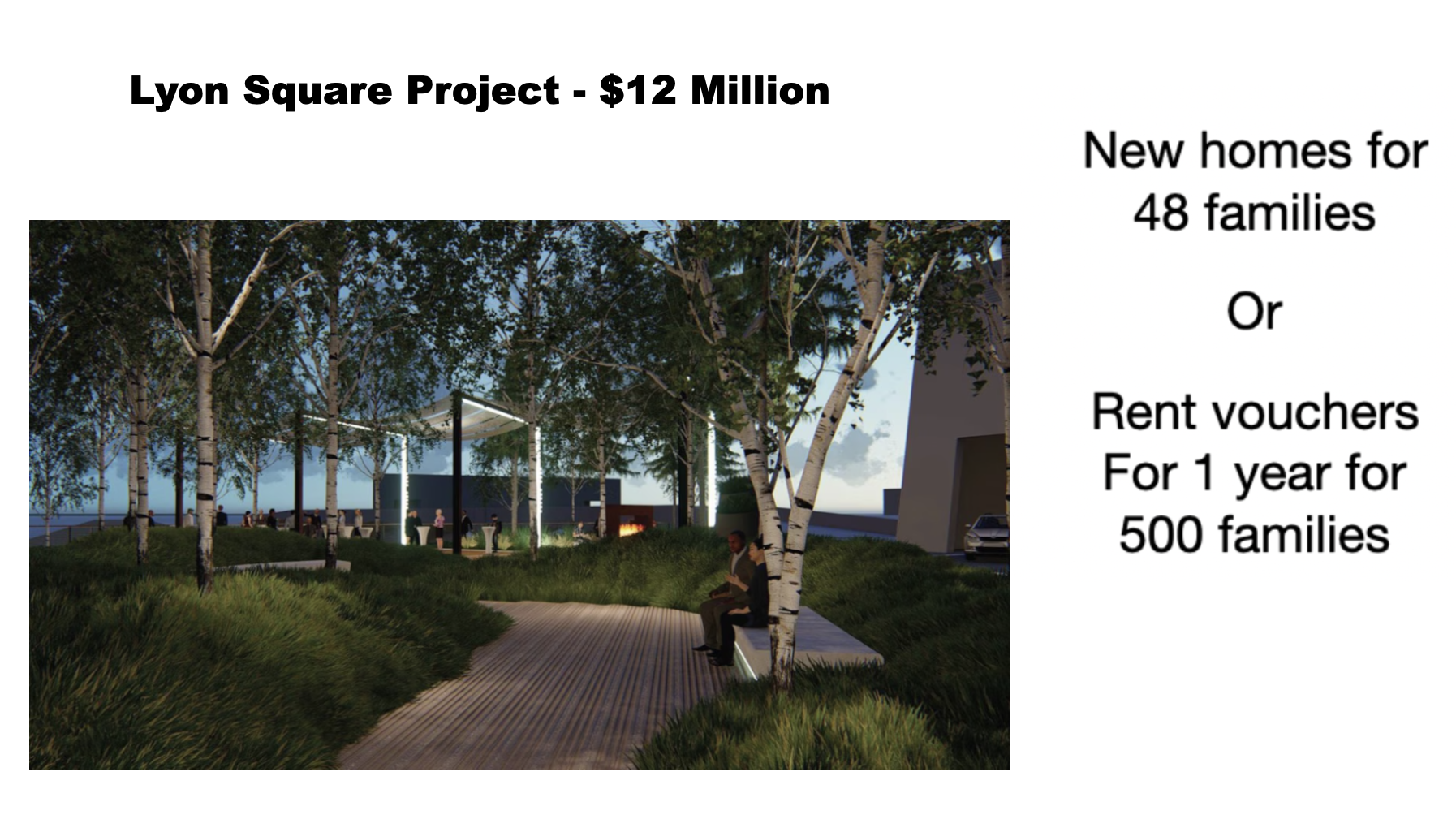
I then looked at wealth and spending realities through the lens of the Lyon Square Project, which is a beautification project that will happen between the Amway Grand Plaza and the old Welsh Auditorium. The Lyon Square Project with cost $12 million, which if redirected to real housing needs would provide what the slide shows.
A third example of tenant power that we looked at was from Oakland, California, which shows a tenant victory through organizing a Community Land Trust.

The OakCLT (Oakland Community Land Trust purchased the building for $3.3 million dollars using municipal bond funds from Oakland’s Measure KK, an infrastructure bond passed in 2016. The use of municipal infrastructure bond funds for the decommodification of housing indicates an emerging commitment to the preservation of affordability as well as a recognition that homes, and existing tenants of those homes, are part of the city’s critical infrastructure — a testament to years of hard work put in by tenants and organizers. (Although the funding available under Measure KK has run out, ACCE and other organizations are campaigning for another housing and infrastructure bond measure that will be on the ballot in November.) It’s also a departure from the last forty years of entrepreneurial city governance that has prioritized for-profit projects and policies strategically designed to attract investment, encourage economic growth, and improve the city’s standings with bond-rating agencies over public need.

In the slide above I talked about what I call the Non-Profit Housing Industrial Complex. The organizations listed in the slide are not “bad,” rather none of them work on addressing the root causes of the housing crisis, which for the Grand Rapids Area Tenant Union are the commodification of housing and economic inequity or the wealth gap in Kent County. However, I did point out that the group Housing Next, which was created by the Grand Rapids Area Chamber of Commerce, does do tremendous harm, since they are currently controlling the narrative around housing in Kent County, a narrative that promotes a market rate ideology. The slide below lists the so-called Community Partners of Housing Next, which is why they embrace a market narrative around housing.

In the final slide, I showed a montage of images from the Grand Rapids Area Tenant Union’s work over the passed for years, which was centered on confronting landlords and Property Management Companies and some of the local victories that have been won.
If you are interested in getting involved in the Grand Rapids Area Tenant Union or the Movement for Tenant Power, contact the tenant union at gratunion@gmail.com or through their Facebook page.
Remembering the Grand Rapids Furniture Workers Strike of 1911: Lessons for contemporary organizing and resistance
 This week marks the 113th anniversary of when some 6,000 furniture workers went on strike in Grand Rapids to protest working conditions, wages and the lack of an 8 hour work day.
I have been researching this historic event over the years and want to offer the following information for those who want to familiarize themselves with this history, learn from it and think about the significance of working class tactics for todays organizing efforts.
First, I highly recommend Jeffrey Kleiman’s book, Strike: How the Furniture Workers Strike of 1911 Changed Grand Rapids.
In addition, on the Grand Rapids People’s History site, I have written or republished numerous articles based on my own research over the years as it relates to the 1911 Grand Rapids Furniture workers strike.
 There is a two-part article written by Michael Johnston, who is know by many as the unofficial labor historian of Grand Rapids. In Part I of his two-part series, Johnston provides important historical context, a context that led to the massive worker walkout on April 19 of 1911.
In Part II, Johnston writes about the role that the IWW (industrial Workers of the World) played in the 1911 strike and how the local power structure and even many of the other unions saw them as a threat.
I also include in this primer on the 1911 furniture workers strike, some articles about other factors that played into the outcome of the strike. First, I look at the role of religion and how Christian Reformed Church members were told not to participate in the strike, while the Catholic Bishop at the time was in full support of the striking workers.
Then there are those who documented the strike at the time. I wrote a piece that contrasted the observations of Viva Flaherty, a socialist, who provides a great reflection on what happened during the 1911 strike, and how one of the Furniture barons (R. W. Irwin) gave his opinion about what took place.
 In another article I have written, I note that there were 10,000 workers marching in the Labor Day parade in 1911. Not only was this an impressive number of workers, but it was essentially about 10% of the entire population of Grand Rapids in 1911. Imagine if 10% of working class people took part in a contemporary Labor Day parade, march or direct action.
In yet another piece, I contrast the living conditions of those in the capitalist class – the Furniture Factory owners – and those who actually created the wealth for these men – the furniture workers.
Lastly, I include an article about the backlash from the 1911 furniture workers strike. The capitalist class was not happy about the 1911 strike, even though they ended up winning. However, those in power are never content with just winning certain battles, they want to prevent future attempts to challenge their power. What the Robber Baron class did was to change the City Charter, which resulted in decreasing the number of city wards to just 3 and eliminating a strong mayor position. The result of this charter change would make it harder for working class people to have real representation on the city commission and to make the mayor a glorified commissioner.
Again, it is important that we come to terms with understanding this local history, reflecting on it and think about what it means for current struggles against the power structure in Grand Rapids. How can working class people organize today? Do we need a union for those in the Non-Profit sector and is it important to create new union models that are not simply extensions of the Democratic Party, but truly independent and autonomous of systems of power, unions that actually represent the interests of working class people?

