Books about Black History that have informed who I am today: Part III
Books are a lifeline for me. I read as much as I can, to challenge my own understanding of the world, to gain insight into and analysis about how systems of oppression work and to be inspired by those who have come before me.
The books about Black History that have informed and formed who I am today, will be in three categories: 1) books about Slavery and the Abolitionist Movement; 2) books about the larger Black Freedom Struggle up to and including the Civil Rights Movement, and 3) book that have been written in the past 50 years, books that have expanded my understanding of the Black Freedom Struggle and why we need to dismantle the system of White Supremacy!
Two weeks ago, we posted a list from category #1. Last week we posted a list of books about the larger Black Freedom Struggle up to and including the Civil Rights Movement. Today, we are sharing the the list of books that have been written in the past 50 years, books that have expanded my understanding of the Black Freedom Struggle. These books primarily deal with how Structural Racism and the system of White Supremacy continues to morph into new ways, always defending the system of White Supremacy, especially since the Neo-Liberal push back against the gains made by the Black Freedom Struggle in the 1950s through the late 1970s.
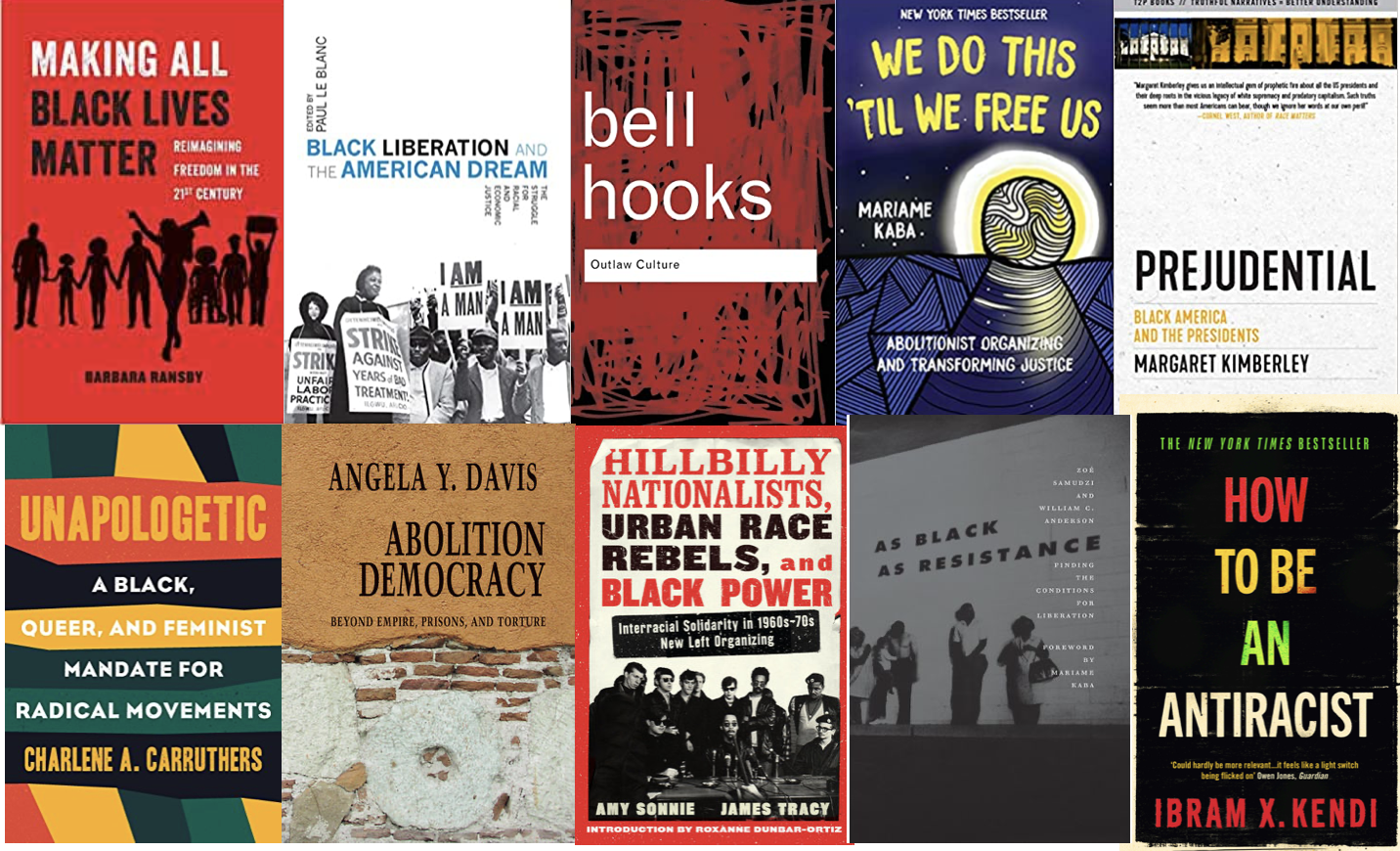
Black Liberation and the American Dream: The Struggle for Racial and Economic Justice, edited by Paul Le Blanc
Black Looks: Race and Representation, by bell hooks
Outlaw Culture: Resisting Representations, by bell hooks
Hillbilly Nationalists, Urban Race, and Black Power: Interracial Solidarity in 1960s – 70s New Left Organizing, by Amy Sonnie and James Tracy
Resisting State Violence: Radicalism, Gender and Race in US Culture, by Joy James
Prisons Make Us Safer: And 20 Other Myths About Mass incarceration, by Victoria Law
Abolition Democracy: Beyond Empire, Prisons and Torture, by Angela Davis
Making All Black Lives Matter: Reimagining Freedom in the 21st Century, by Barbara Ransby
The New Jim Crow: Mass Incarceration in the Age of Colorblindness, by Michele Alexander
The Meaning of Freedom and Other Difficult Dialogues, by Angela Davis
The Nation of No Map: Black Anarchism and Abolition, by William Anderson
The Second: Race and Guns in a Fatally Unequal America, by Carol Anderson
White Reconstruction: Domestic Warfare and the Logics of Genocide, by Dylan Rodriquez
A Field Guide to White Supremacy, edited by Kathleen Belew and Ramon Gutierrez
Unapologetic: A Black, Queer, and Feminist Mandate for Radical Movements, by Charlene Carruthers
How to Be Less Stupid about Race, by Crystal Fleming
As Black as Resistance: Finding the Conditions for Liberation, by Zoe Samudzi and William Anderson
Presidential: Black America and the Presidents, by Margaret Kimberely
Nobody: Casualties of America’s War on the Vulnerable, from Ferguson to Flint and Beyond, by Marc Lamont Hill
How to Be an AntiRacist, by Ibram X. Kendi
Begin Again: James Baldwin’s America and Its Urgent Lessons for Our Own, by Eddie Glaude Jr.
We Do This ’Til We Free Us: Abolitionist Organizing and Transforming Justice, by Mariame Kaba
Financial Literacy alone is a False Solution for BIPOC families becoming homeowners in Grand Rapids
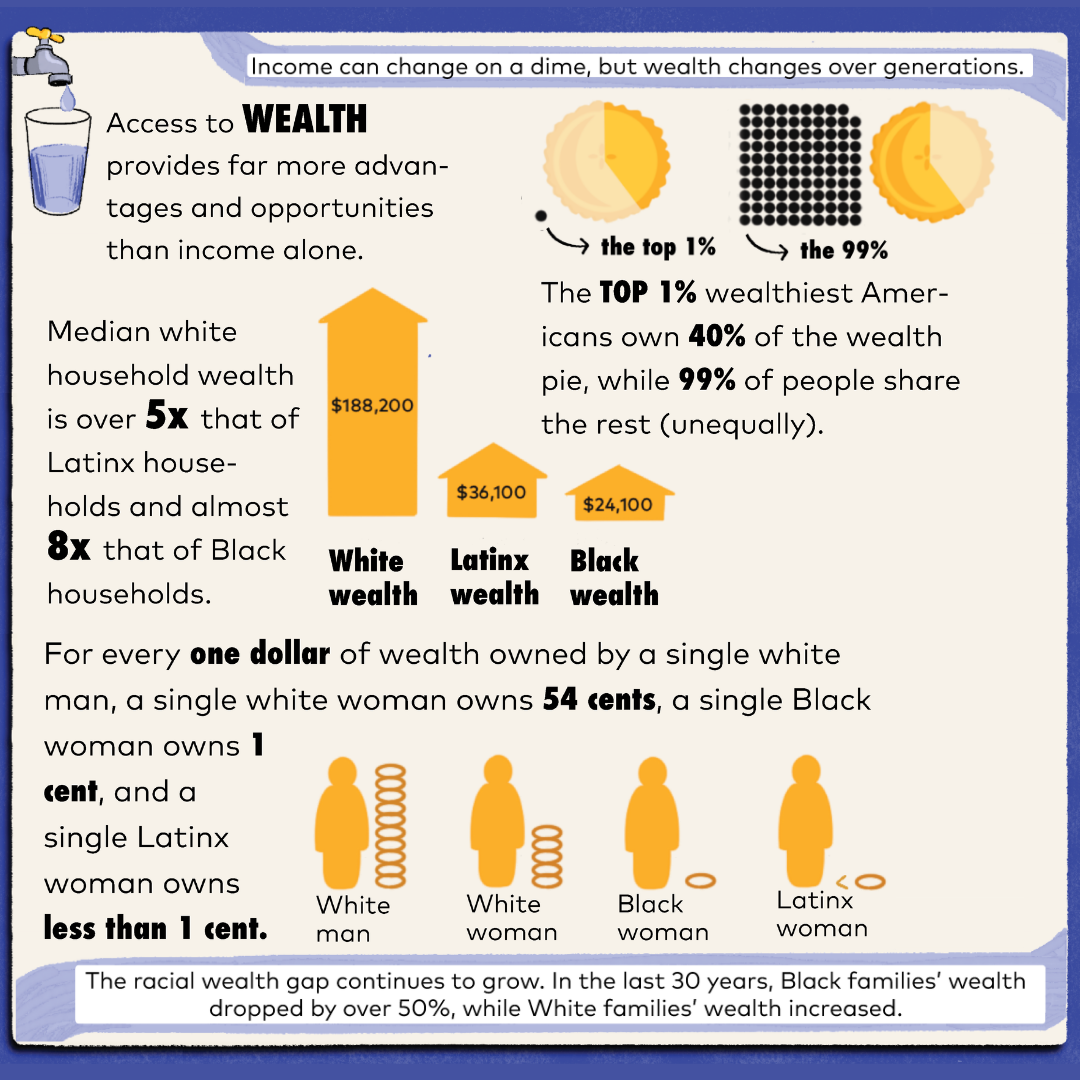
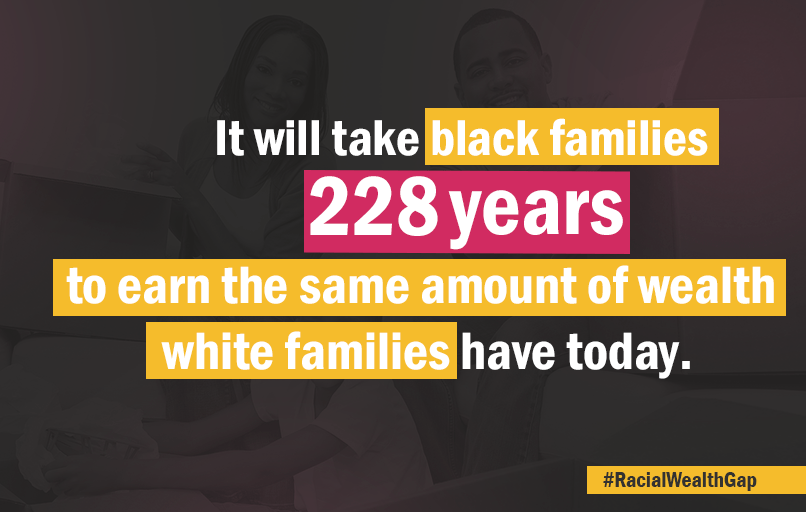
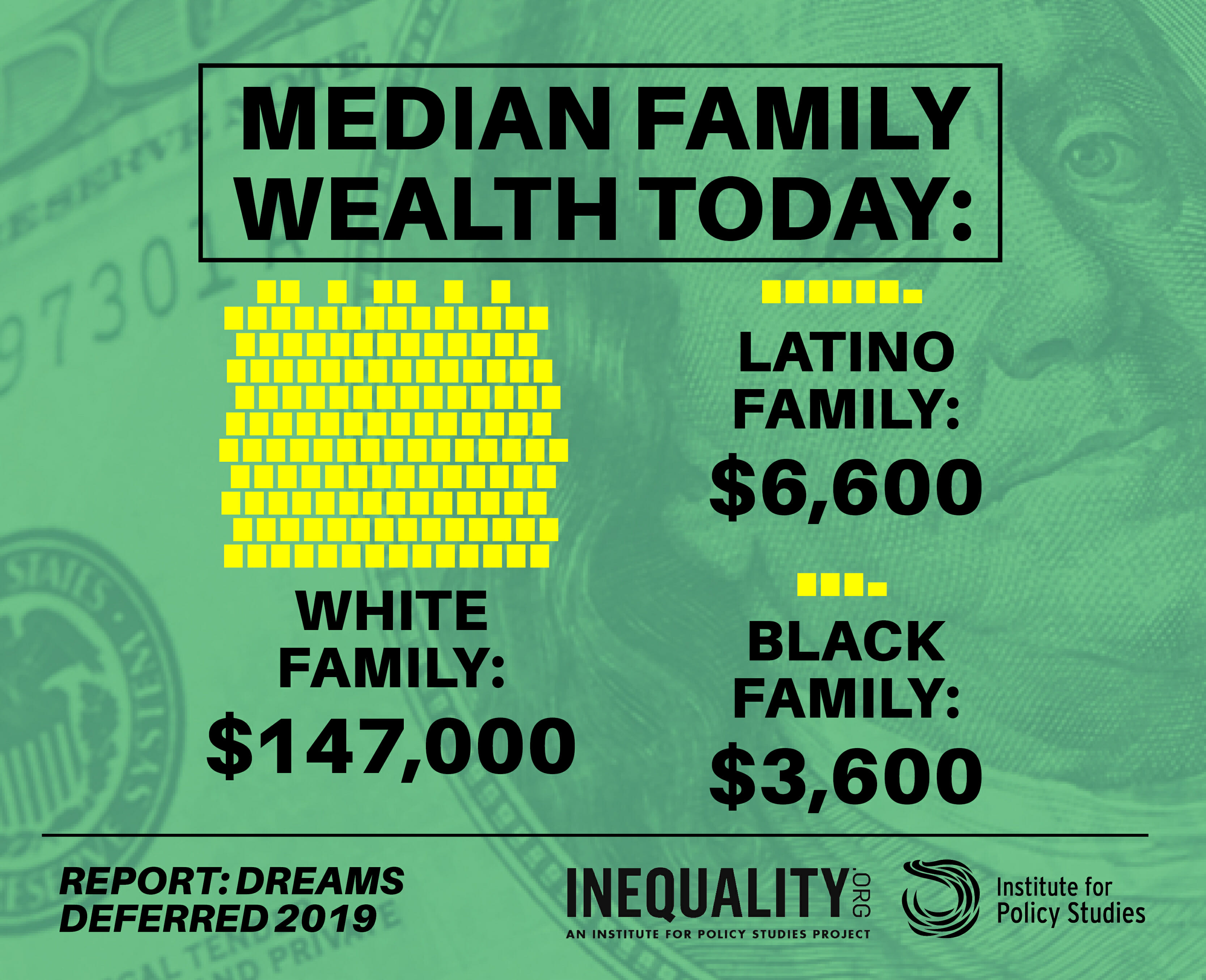 “Over the past 30 years the average wealth of white families has grown by 84%—1.2 times the rate of growth for the Latino population and three times the rate of growth for the black population. If that continues, the next three decades would see the average wealth of white households increase by over $18,000 per year, while Latino and Black households would see their respective wealth increase by only $2,250 and $750 per year.” Institute for Policy Studies
Last week, WZZM 13 did a story that began with this sentence, “There’s a new initiative in Grand Rapids to help 1,000 families of color become homeowners over the next three years.” Sounds like an important project.
The initiative is being led by two groups, 1000 Families of Color, Inc. and Project Green.
 According to Project Green’s website, there are three major goals: Financial Capability, Fair Lending, and Advocacy. The paragraph that accompanies Advocacy states:
You have the power to change systems! We just want to encourage you to use it. And we will stand with you as you do. That’s what advocacy is. Project GREEN stands with our fellow citizens to remove barriers that keep them from reaching their financial goals. We train, coach, and equip everyday people to bring about changes that will help the broader community in the area of economic stability and fair lending. This advocacy team focuses on community-centered initiatives that destroy systemic barriers to economic success – so all of us have equal opportunities to thrive.
Upon further investigation of the Project Green website, the only systemic barrier they identify are lending agencies. Beyond that, it seems that most of what Project Green does is to teach people how to manage their money better and improve their credit score.
The WZZM 13 story says that the groups will partner with Realtors, Lenders, Churches and other non-profits, “to provide the education and resources needed to make becoming a homeowner a reality.”
Hey, I’m all in favor of people learning financial skills and I support people being a homeowner, but why is it that these groups avoid the obvious when it comes to real advocacy?
Families of Color are not poor simply because of financial management, they are poor and can’t afford a house because:
- Most people are priced out of the current housing market, because the housing market is driven by profits and going to the highest bidder.
- Structural Racism is a major factor for Families of Color, with banks and other financial institutions disproportionately unwilling to provides loans.
- Most BIPOC families don’t earn a Living Wage.
- There is a lack of generational wealth, with Black and other communities of color suffering from Structural Racism, with less access to education, along with the economic legacies of Slavery and Jim Crow policies.
If Project Green really wants BIPOC families to own homes, then they need to push for a Living Wage, put an end to Structural Racism, advocate for the regulation of the housing market, plus acknowledge and dismantle the historical legacies of Structural Racism and Jim Crow policies that continue to prevent BIPOC families from obtaining economic justice.
New housing project will not stop displacement in the Belknap Neighborhood, since displacement has been happening for decades to residents of that area
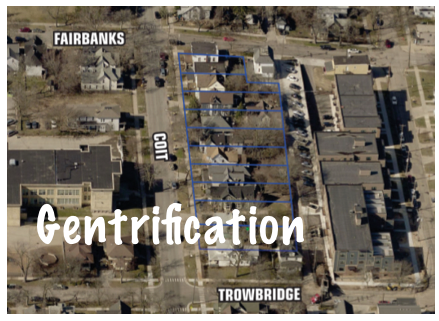 Last week, MiBiz posted a story with the headline, $12.2M Belknap Lookout affordable housing project aims to stop displacement in neighborhood.
The article focuses on a project by Dwelling Place of Grand Rapids, which intends to build 52 affordable apartments in the Belknap Neighborhood. The article does not provide any information on the cost of said affordable apartments, but states:
The apartments will have a range of affordability, including for households earning 10 to 20 percent of the area median income on the low end.
Later in the article one of the developers is quoted as saying, “We’re trying to stop gentrification in an area going through a lot of redevelopment right now, but most of that has been higher residential projects.” Several paragraphs later we getting a contradicting comment from the Executive Director of the Neighbors of Belknap, Elianna Bootzin, who states:
“We are seeing residents being priced out of the neighborhood. We have some learning to do on what all of our options are for offering affordable housing.”
While the MiBoz article presents both the developer point of view and the Neighborhood Association point of view, they miss on providing substantial context to what has been happening in the neighborhood in recent decades.
In the 1990s, there was a major push on the part of Spectrum Health to transform the area to what is now know as the Medical Mile.
Just a few years ago, when GVSU announced it wanted to expand their presence near their Michigan Street facility, the most recent wave of gentrification hit the area.
In the Spring of 2016, the Grand Rapids City Commission approved a major condo project, in what was to be known as the Coit Square Project. The site If the River Swells, provided an important analysis of the Coit Square Project, primarily through a class lens.
Then in the Fall of 2016, the physical changes to the neighborhood could be seen with the demolition of some 20 homes in order to make way for the new GVSU building. We took pictures of the demolition at the time and raised questions about the demolition as a form of displacement.
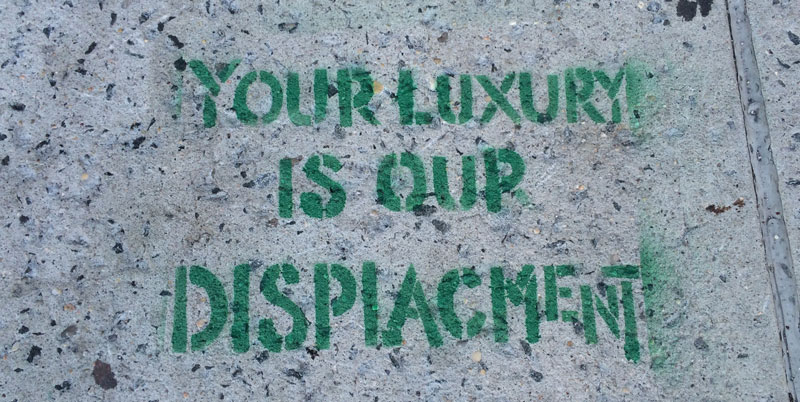
In September of 2016, just on the other side of the highway across from the Belknap Neighborhood, another development project tore down dozens of houses, occupied by working class families, only to construct 287 Market-rate apartments, which included a 4 story, 334 car parking garage. In this case displacement was a harsh reality for the families that were evicted from the rental units that ended up being bulldozed.
The MiBiz article also doesn’t include any information or discussion on the new GVSU construction, which often results in landlords shifting from families housing to student housing. GVSU even signed a Memorandum of Understanding about what they were hoping to avoid, even though in my opinion they have not really honored an agreement they knew would mere pacify residents who voiced concerns about the university’s development plans in that neighborhood. Lastly, there is no information on why there was significant concern on the part of residents of the Belknap Neighborhood over fears of displacement and being priced out, which is exactly what the source from the Belknap Neighborhood voiced concern over.
There has been gentrification in the Belknap Neighborhood, which will likely continue, unless there is a clear shift away from housing as a commodity to housing as a basic, fundamental right that everyone and every family should have.
Always Follow the Damn Money: How the Grand Rapids Power Structure looks out for their own economic interests
Last Tuesday, the Michigan Senate passed legislation that would provide major tax breaks to corporations.
Senate Bill 0768 was pass in the Michigan Senate completely on partisan lines, with 22 Republicans voting for the bill, while all 16 Democrats voted against.
Not surprising, this legislation was supported by the Michigan Chamber of Commerce and other business associations. What is particularly relevant for those of us who live in West Michigan, is to see how much money members of the Grand Rapids Power Structure have contributed to each of the 22 Senators. We will be using data from the 2018 election, since Senate races happen every 4 years, the same time that the Governor races take place. Not all of the data is in for the 2022 election, so we are limiting this investigation to contributions up to and including the 2018 Elections.
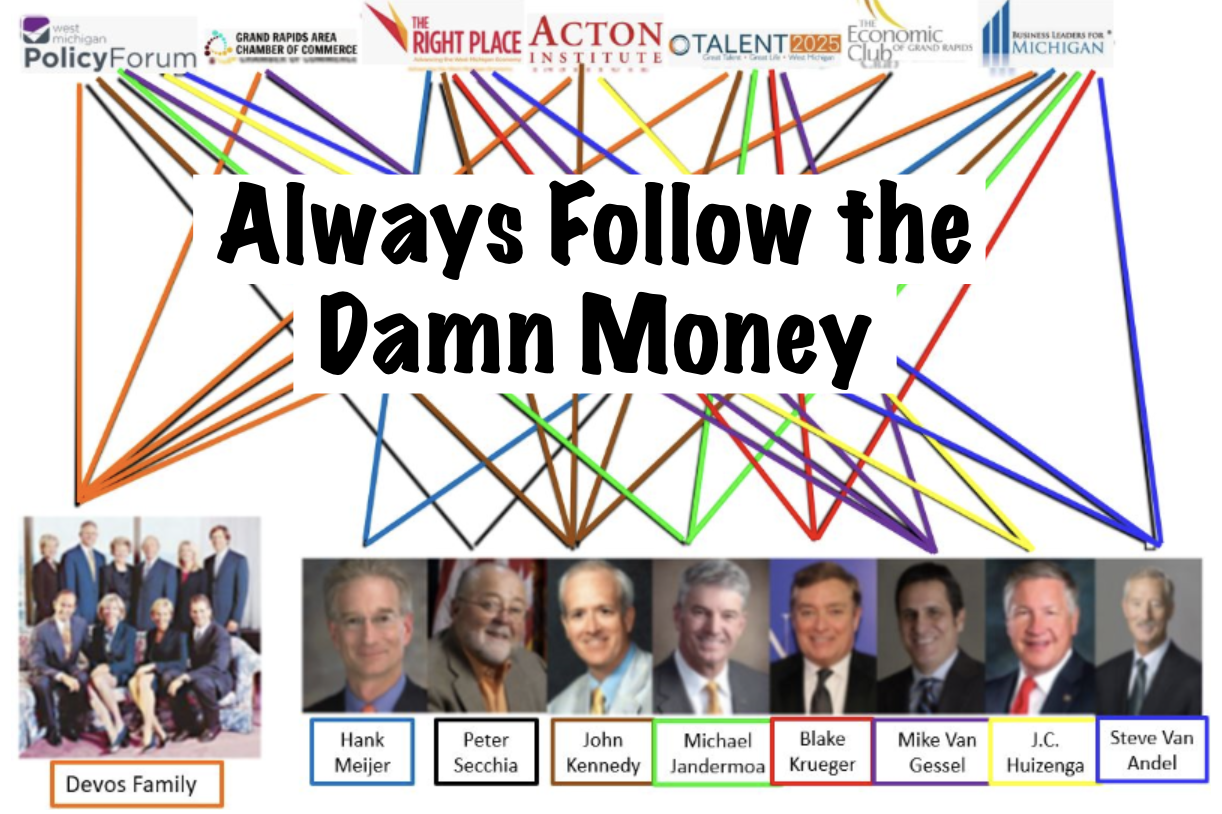
People will often say that this information is “not surprising.” While it isn’t surprising, it is important to know how much influence members of the Grand Rapids Power Structure have on public policy, which includes how much money they have provided candidates in order to pass legislation that benefits them and other members of the Capitalist Class.
Combined, the Grand Rapids Power Structure has contributed $35,863,214 to the current GOP State Senators, in order to pass legislation that will be favorable to their business interests.
We will be looking at the Republican Senators who were elected in 2018 and in alphabetical order, listing members of the Grand Rapids Power Structure who contributed to their campaign and how much in 2018, from FollowtheMoney.org
Senator Tom Barrett
Rich DeVos – $4000
Dick DeVos – $4000
Doug DeVos – $4000
Dan DeVos – $4000
Maria DeVos – $4000
Cheri DeVos – $4000
Betsy DeVos – $2000
Helen DeVos – $2000
Michael Jandernoa – $2000
Pam DeVos – $2000
John Kennedy – $2000
JC Huizenga – $1500
Senator John Bizon
Dick DeVos – $4000
Doug DeVos – $4000
Dan DeVos – $4000
Maria DeVos – $4000
Cheri DeVos – $4000
Rick DeVos – $4000
Betsy DeVos – $2000
Micheal Jandernoa – $2000
JC Huizenga – $2000
Helen DeVos – $2000
Pam DeVos – $2000
Susan Jandernoa $1000
Peter Secchia – $1000
Jon Bumstead
Dick DeVos – $2000
Doug DeVos – $2000
Dan DeVos – $2000
Maria DeVos – $2000
Cheri DeVos – $2000
Rick DeVos – $2000
John Kennedy – $2000
Micheal Jandernoa – $1000
Kevin Daley
Doug DeVos – $2000
Dan DeVos – $2000
Maria DeVos – $2000
Cheri DeVos – $2000
Rick DeVos – $2000
John Kennedy – $2000
Kenneth Horn
Michael Jandernoa – $4750
Doug DeVos – $2250
Dan DeVos – $2250
Maria DeVos – $2250
Cheri DeVos – $2250
Rick DeVos – $2250
Susan Jandernoa – $1500
Betsy DeVos – $1250
Mark Huizenga
JC Huizenga – $3650
Michael Jandernoa – $3600
Doug DeVos – $3150
Dan DeVos – $3150
Maria DeVos – $3150
Cheri DeVos – $3150
Pam DeVos – $3150
Dick DeVos – $2100
Betsy DeVos – $2100
David Van Andel – $2100
Carol Van Andel – $2100
Ruth Johnson
Dick DeVos – $35,363,233
Betsy DeVos – $133,996
Dan DeVos – $15,135
Pam DeVos – $13,600
Michael Jandernoa – $12,200
Rick DeVos – $10,200
JC Huizenga – $10,050
Stephen Van Andel – $9800
Peter Secchia – $8800
Kim LaSata
Rick DeVos – $4000
Doug DeVos – $2000
Dan DeVos – $2000
Maria DeVos – $2000
Cheri DeVos – $2000
Peter Secchia – $2000
John Kennedy – $2000
Michael Jandernoa – $1000
JC Huizenga – $1000
Dan Lauwers
Michael Jandernoa – $1000
Michael MacDonald
Dick DeVos – $2000
Doug DeVos – $2000
Dan DeVos – $2000
Maria DeVos – $2000
Cheri DeVos – $2000
John Kennedy – $2000
Ed McBroom
Michael Jandernoa – $1000
Dick DeVos – $500
Betsy DeVos – $500
Doug DeVos – $500
Dan DeVos – $500
Maria DeVos – $500
Helen DeVos – $500
Aric Nesbitt
Michael Jandernoa – $3000
Susan Jandernoa – $1000
Rick DeVos – $1000
Rick Outman
Michael Jandernoa – $1500
Jim Runestad
Dick DeVos – $2000
Doug DeVos – $2000
Dan DeVos – $2000
Maria DeVos – $2000
Cheri DeVos – $2000
Rick DeVos – $2000
Peter Secchia – $2000
John Kennedy – $2000
Wayne Schmidt
Doug DeVos – $4250
Dan DeVos – $4250
Maria DeVos – $4250
Cheri DeVos – $4250
Rick DeVos – $4250
Michael Jandernoa – $3500
Dick DeVos – $3250
Betsy DeVos – $3250
Mike Shirkey
Rick DeVos – $4000
Doug DeVos – $3250
Dan DeVos – $3000
Maria DeVos – $3000
Cheri DeVos – $3000
Dick DeVos – $2000
Betsy DeVos – $2000
Peter Secchia – $2000
Jim Stamas
Michael Jandernoa – $2250
Lana Theis
Dick DeVos – $2000
Doug DeVos – $2000
Maria DeVos – $2000
Cheri DeVos – $2000
Peter Secchia – $2000
Helen DeVos – $1000
Pam DeVos – $1000
Rick DeVos – $1000
Michael Jandernoa – $1000
Curt VanderWall
Dick DeVos – $1000
Betsy DeVos – $1000
Doug DeVos – $1000
Dan DeVos – $1000
Maria DeVos – $1000
Cheri DeVos – $1000
Pam DeVos – $1000
Helen DeVos – $1000
Rick DeVos – $1000
Peter Secchia – $1000
Michael Jandernoa – $900
Roger Victory
0
Doug Wozniak
0
Dale Zorn
Michael Jandernoa – $2000
Susan Jandernoa – $1000
Of course, this is just one example of how members of the Grand Rapids Power Structure influence public policy for their own benefit. They are willing to spend money to buy political influence, which results in protecting and expanding their wealth, at the expense of the public.
GRIID Class – The Function of Policing in the US and how we can work towards a world Without Police: Part V
 For week 5 of the class on Policing in the US, we read and discussed three more essays from the book, Abolition for the People. All three essays were focused on the importance of an abolitionist approach to policing, with a great deal of emphasis on radically re-imagining our world, our community without police and the carceral state.
The first essay was by Andrea Ritchie, and was entitled, Ending the War on Black Women: Building a World Where Breonna Taylor could live. In this essay, the author challenges us around the idea of accountability and punishment. Ritchie argues that if we demand the punishment and imprisonment of the cops who killed Breonna Taylor, we end up perpetuating the system that caused her death to begin with. It is understandable that people want to some form of justice when their family members are murdered by the police, but what this essay challenges us to think about is how do we dismantled there very system that produces cops who kill and punish Black people? We cannot simply mimic the very system we are hoping to abolish.
The second essay we discussed was co-written by Dan Berger and David Stein, with the title, What Is & What Could Be: The Policies of Abolition. In this essay the authors write:
While Republicans and Democrats may use different talking points, state spending demonstrates their shared commitment to preserving racist social control through police and prisons. Whether speaking the language of authoritarianism10 or professionalism,11 both Donald Trump and Joe Biden responded to the summer 2020 uprisings by pledging additional funding and support to police. That is why abolitionist campaigns to defund the police and decarcerate prisons are so transformative: they approach local and national budgets with necessary urgency as a venue in which the status quo can be either reinforced or remade. It is both a defensive posture and a visionary one. It’s a three-pronged strategy that the abolitionist organization Critical Resistance has summarized as Dismantle, Change, Build.
In addition, the essay looks at numerous previous movements that have practiced abolition, such as the Black Panther Party for Self-defense, SNCC, the National Alliance Against Racist and Political Repression and Critical Resistance, to name a few. The authors also ask the important question, which speaks to the need to radically imagine a different world:
The upheaval and crackdown of the 2020 protests prompts the question of the last half-century and earlier: What type of protest movements could be built if communities were freed from the violence of policing and incarceration?
The 3rd and final essay we discussed was from Miriam Kaba, The Journey Continues: So You Are Thinking about Becoming an Abolitionist. Kaba provides 4 important steps for those wanting to become abolitionists:
First, when we set about trying to transform society, we must remember that we ourselves will also need to transform. Our imagination of what a different world can be is limited. We are deeply entangled in the very systems we are organizing to change. Second, we must imagine and experiment with new collective structures that enable us to take more principled action, such as embracing collective responsibility to resolve conflicts. Third, we must simultaneously engage in strategies that reduce contact between people and the criminal legal system. Abolitionists regularly engage in organizing campaigns and mutual aid efforts that move us closer to our goals. Fourth, as scholar and activist Ruth Wilson Gilmore notes, building a different world requires that we not only change how we address harm, but that we change everything.
In addition to these essays, we read and discussed the Movement for Black Lives vision document that was developed in 2015. This document provides a robust set of demands, with powerful vision, as can be viewed in the graphic here on the right.
For week #6, we will be reading and discussion the Movement for Black Lives Defund the Police Toolkit.
Books about Black History that have informed who I am today: Part II
Books are a lifeline for me. I read as much as I can, to challenge my own understanding of the world, to gain insight into and analysis about how systems of oppression work and to be inspired by those who have come before me.
The books about Black History that have informed and formed who I am today, will be in three categories: 1) books about Slavery and the Abolitionist Movement; 2) books about the larger Black Freedom Struggle up to and including the Civil Rights Movement, and 3) book that have been written in the past 50 years, books that have expanded my understanding of the Black Freedom Struggle and why we need to dismantle the system of White Supremacy!
Last week, we posted a list from category #1. Today’s post will books about the larger Black Freedom Struggle up to and including the Civil Rights Movement.

Radio Free Dixie: Robert F. Williams & the Roots of Black Power, by Timothy Tyson
When Affirmative Action Was White, by Ira Katznelson
Many Minds, One Heart: SNCC’s Dream for a New America, by Wesley Hogan
Going Down Jericho Road: The Memphis Strike, Martin Luther King’s Last Campaign, by Micheal Honey
A More Beautiful and Terrible History: The Uses and Misuses of Civil Rights History, by Jeanne Theoharis
Black Power: The Politics of Liberation in America, by Stokely Carmichael and Charles Hamilton
Nobody Turn Me Around: A People’s History of the 1963 March on Washington, by Charles Euchner
The Black Panthers Speak, by Philip Foner
Lessons from Freedom Summer: Ordinary People Building Extraordinary Movements, edited by Kathy Emery, Linda Reid Gold and Sylvia Braselmann
Detroit I Do Mind Dying, by Dan Georgakas and Marvin Surkin
Creating a Movement with Teeth: A Documentary History of the George Jackson Brigade,edited by Daniel Burton Rose
Groundwork: Local Black Freedom Movements in America, edited by Jeanne Theoharis and Komozi Woodard
We Will Return in the Whirlwind: Black Radical Organizations 1960 – 1975, by Muhammad Ahmad
The Deacons for Defense: Armed resistance and the Civil Rights Movement, by Lance Hill
Hillbilly Nationalists, Urban Race Rebels, and Black Power: Interracial Solidarity in the 1960s-70s New Left Organizing, by Amy Sonnie and James Tracey
Race for Profit: How Banks and the Real Estate Industry Undermined Black Homeownership, by Keeanga-Yamahtta Taylor
From the War on Poverty to the War in Crime: The Making of Mass Incarceration in America, by Elizabeth Hinton
The Condemnation of Blackness: Race, Crime and the Making of Modern Urban American, by Khalil Gibran Muhammad
Malcom X: The Final Speeches
Malcolm X: By Any Means Necessary
Sundown Towns: A Hidden Dimension of American Racism, by James Loewen
The Radical King: Martin Luther King Jr., edited by Cornel West
The Young Crusaders: The Untold Story of the Children and Teenagers Who Galvanized the Civil Rights Movement, by V.P. Franklin
How We Get Free: Black Feminism and the Combahee River Collective, edited by Keeanga-Yamahtta Taylor
America on Fire: The Untold History of Police Violence and Black Rebellion Since the 1960s, by Elizabeth Hinton
The Speech: The Story Behind Dr. Martin Luther King Jr.’s Dream, by Gary Younge
Martin & Malcolm in America: A Dream or a Nightmare, by James Cone
How Long? How Long?: African-American Women in the Struggle for Civil Rights, by Belinda Robnett
Truth and Revolution: A History of the Sojourner Truth Organization 1969-1986, by Michael Staudenmeier
Living for the Revolution: Black Feminist Organizations, 1968-1980, by Kimberly Springer
The Blood of Emmett Till, by Timothy Tyson
I May Not Get There With You: The True Martin Luther King Jr., by Michael Eric Dyson
Ella Baker & the Black Freedom Movement: A Radical Democratic Vision, by Barbara Ransby
In Part III, I will share the books that have been written in the past 50 years, books that have expanded my understanding of the Black Freedom Struggle and why we need to dismantle the system of White Supremacy!
 Last week, the City of Grand Rapids announced that people could make submissions for the Participatory budgeting Pilot Project.
Participatory Budgeting began in Brazil in the 1990s, as a radical democracy initiative by the leftist Worker’s Party. The whole point of Participatory Budgeting is to shift from representative democracy to more direct democracy, where people get to decide how they want their tax money spent. In addition, Participatory Budgeting increases involvement in politics by civil society, creates more transparency, more accountability and it leads to more possibilities for social transformation.
People have been talking about and discussing the need tor Participatory Budgeting in Grand Rapids for several years now. We wrote about it in 2020, in response to news that public money would be used to benefit private interests.
The group Defund the GRPD, then demanded Participatory Budgeting in the Spring of 2021, while challenging the annual Grand Rapids City Budgeting process.
In June of 2021, the City of Grand Rapids then announced that they would be using federal funds that were allocated through the American Rescue Plan Act. GRIID has been critical of the project from the beginning, which is to say that we are not against Participatory Budgeting, only that we have been challenging how the project is being implemented here in Grand Rapids.
We raised for main points in our initial posting in June of 2021, suggesting that is was too managed and too limiting in how people could participate. Then in November of last year, we addressed some concerns about the process again, centered around which City residents would likely participate.
Yesterday, I submitted a project idea for the 2nd Ward, which is where I reside in Grand Rapids. The process was fairly easy to navigate, but I still have objections to the pre-determined parameters of the project. The categories you can submit proposals under are the following:
- Infrastructure investments related to water, wastewater and broadband
- Evidence-based violence reduction strategies
- Remediation of lead paint or other lead hazards in homes
- Economic and health impacts of COVID-19 (includes assistance to households, small businesses and nonprofits)
- Incentive pay to front-line workers
- Investments in housing and re-housing
- Addressing educational disparities
- Investing in healthy childhood environments
Now, I am not objecting to any of these categories, but why limit the scope of what this Participatory Budgeting could look like? A second objection I have to this process is that it doesn’t define certain aspects of the categories that are pre-determined. For instance, evidence-based violence reduction strategies isn’t clearly define, particularly around the definition of violence. Does their definition of violence have to do with overt violence, like gun violence, or are they open to considering proposals that take on structural violence, like the violence of poverty or racism?
Another major issue I have with this project is the sustainability of future Participatory Budgeting. Where will the funding come from the future? The City of Grand Rapids can’t rely on federal funding in the future, so where will the funding come from. One way to secure ongoing funding for Participatory Budgeting would be for the City to adopt the framework that the Movement for Black Lives has been promoting for the past 7 years, a Divest/Invest strategy. This Divest/Invest strategy was laid out in their vision document in 2015, as a response to the larger structural issues connected to the police murder of Michael Brown in Ferguson, Missouri.
The Divest/Invest strategy of the Movement for Black Lives states:
We demand investments in the education, health and safety of Black people, instead of investments in the criminalizing, caging, and harming of Black people. We want investments in Black communities, determined by Black communities, and divestment from exploitative forces including prisons, fossil fuels, police, surveillance and exploitative corporations.
The Divest/Invest strategy then lays out 7 ways to implement such a strategy, located on pages 10-11 in the document. Such a strategy is what has been driving the national call for defunding of police departments. In the Movement for Black Lives Defund the Police toolkit they state:
When we say #DefundPolice, we mean reducing the size, budgets, and power of all institutions that surveil, police, punish, incarcerate and kill Black people to zero, and investing in and building entirely new community infrastructures that will produce genuine safety and sustainability for our communities.
If Grand Rapids decides to defund the GRPD, then there will be plenty of money to not only continue the Participatory Budget process, but a radical relocation of funds will result in there not only being greater equity in the city, but eliminate the need for policing at all. The GRPD practice policing, like all police departments, disproportionately in neighborhoods of color and neighborhoods experiencing poverty, as a form of population management. In addition, the GRPD does not question or work to eliminate structural violence, which does more long-term harm than the overt forms of violence in this city. The GRPD does not arrest landlords who exploit tenants and they do not arrest businesses that exploit their workers or pollute the environment.
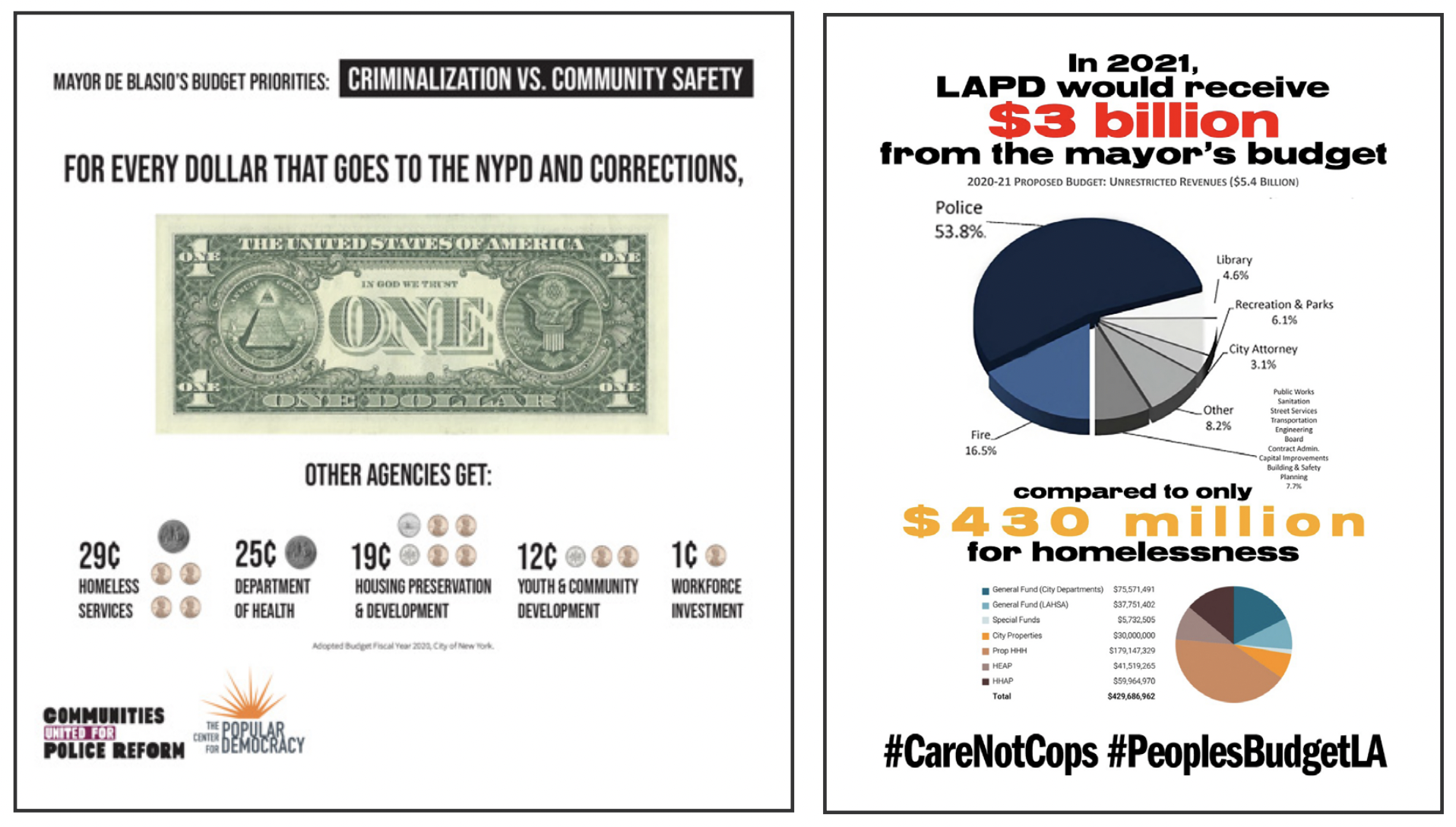
Lastly, it is worth noting that the beginnings of the Participatory Budget Movement that was born in Brazil, also did not just make decisions on a very small percentage of a municipal budget, they made collective decisions on the entire budget. Grand Rapids could do the same, which would not only get more people involved in the process, it would lead towards a movement from representative democracy, to participatory democracy, or as the great thinker W.E.B. DuBois said, such a process would lead to Abolition Democracy.
Connecting the dots on the School Choice Week event and the DeVos family obsession with destroying Public Education
A couple of weeks ago, we wrote an article about an event organized by the group Let MI Kids Learn. The event was a panel discussion, featuring Betsy DeVos, which also included several carefully selected guests, some of which were directly connected to Betsy DeVos and her family. One such guest was Cameron Pickford, who is the Communications Director for the DeVos-created and DeVos funded Michigan Freedom Fund.
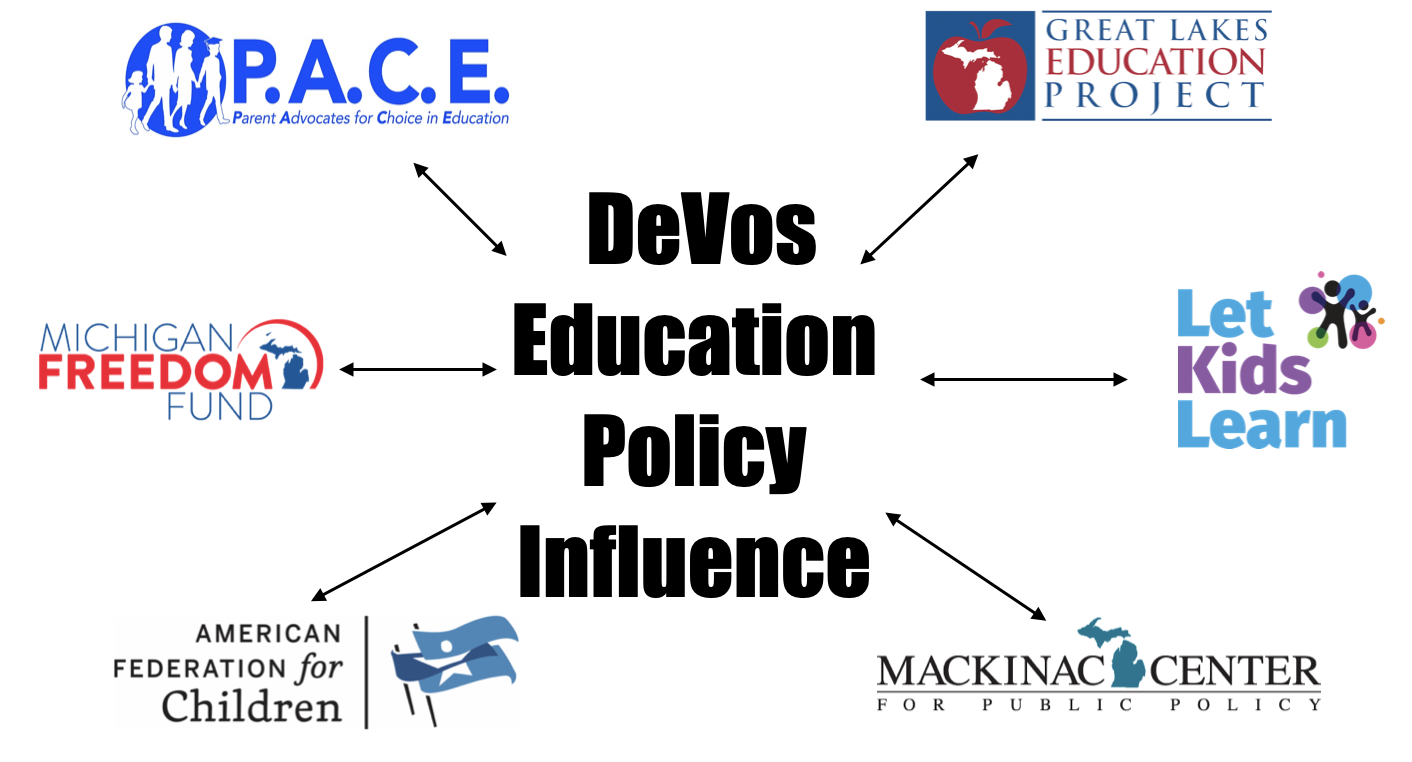
During the previous week, on Thursday, January 27th, the group Parent Advocates for Choice in Education (PACE), held an event inside the Lansing State Capital for what they called National School Choice Week. The DeVos-created group, the Great Lakes Education Project (GLEP) stated:
Last week hundreds of teachers, students, parents and activists swarmed the state Capital in Lansing to celebrate National School Choice Week and to celebrate the brighter futures, the hope, and the opportunities that can happen when we prioritize students in our schools, not bloated bureaucracies.
People did not swarm the State Capital, since they had a permit for inside the Capital, with a podium and a PA system for their speakers.
The first speaker at the National School Choice Week event was Amy Dunlap, who teaches with the Michigan Connections Academy. The Michigan Connections Academy is an online charter school, even though Dunlap was identified as a public school educator. There was also a Catholic School Student talking about the benefits of attended a private school and Jessie Bagos, a mother who is part of a lawsuit filed by the Mackinac Center Legal Foundation against the State of Michigan.
The featured speaker at the event was Corey DeAngelis, who is the national director of research at the American Federation for Children. The American Federation of Children is a national group that was started in part by Dick & Betsy DeVos, with several million dollars coming from the DeVos family over the years, as the American Federation of Children is somewhat of a clearing house for the so-called school choice movement.
The National School Choice Week event was co-hosted by the Mackinac Center for Public Policy, a far right Think Tank that has also received millions in contributions from the DeVos family, along with several DeVos family members serving on the Board of Directors over the years.
There was also a representative from Let MI Kids Learn at the National School Choice Week event. The representative used the opportunity to talk about their ballot initiative, a ballot initiative, which has received at least $300,000 from the DeVos family, according to data from the most recent campaign finance deadline.
The Let MI Kids Learn group also shares something else in common with the Parent Advocates for Choice in Education. They share the same address. Both the Parent Advocates for Choice in Education and Let MI Kids Learn groups have as their address, 2145 Commons Parkway, Okemos, MI 48864.
Interestingly enough, this is the exact same address for the Unlock Michigan campaign, which was a GOP campaign designed to oppose the early Stay at Home orders from Gov. Whitmer. But wait, there is still more at the 2145 Commons Parkway, Okemos address. That address is also the location for Doster Law Offices, PLLC. Doster Law Officers was founded by Eric Doster, who was longest-serving General Counsel in the history of the Michigan Republican Party, having served in this position from 1992 to 2017. This was the same time period that Betsy DeVos was the Michigan Republican Party Chair. Doster’s wife, Mary Doster, is a GOP insider who is treasurer of the nonprofit Michigan Redistricting Resource Institute. Mary Doster is also listed as the Principle Officer with the group Parent Advocates for Choice in Education.
So it seems that there are several groups that not only share the same address, they share the same ideological framework, they all receive lots of funding from the DeVos family and they have clear connections to Michigan GOP insiders. Plus, all of these groups are committed to dismantling Public Eduction as we know it.
GRIID Class – The Function of Policing in the US and how we can work towards a world Without Police: Part IV
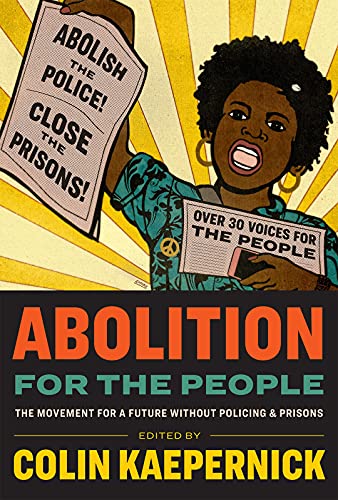 For week 4 of the class on Policing in the US, we read and discussed four essays from the book, Abolition for the People. All four essays were focused on the importance of an abolitionist approach to policing, along with a critique of police reforms.
The first essay was by Dylan Rodriguez, author of the book, White Reconstruction: Domestic Warfare and the Logics of Genocide. His essay is entitled, Police Reform as Counterinsurgency. He begins his essay by stating:
To reform a system is to adjust isolated aspects of its operation in order to protect that system from total collapse, whether by internal or external forces. Such adjustments usually rest on the fundamental assumption that these systems must remain intact—even as they consistently produce asymmetrical misery, suffering, premature death, and violent life conditions for people and places targeted by anti-Black criminalization, white supremacist police profiling, gendered racist displacement, and colonial occupation.
Rodriguez goes on to say this about reform:
Reformism defers, avoids, and even criminalizes peoples’ efforts to catalyze fundamental change to an existing order, often through dogmatic and simplistic mandates of “nonviolence,” incrementalism, and compliance.
We discussed how difficult it is to imagine a world without cops and how we are all socialized to believe that they exist to protect us. Of course, this is all non-sense, since policing has historically been about protecting order and systems of power. Rodriguez then states:
Reform is at best a form of casualty management, while reformism is counterinsurgency against those who dare to envision, enact, and experiment with abolitionist forms of community, collective power, and futurity.
The second reading is entitled, Three Traps of Police Reform, written by Naomi Murakawa. Murakawa is best know for her book, The First Civil Right: How Liberals Built Prison America. Murakawa lays out three main traps of attempts to reform the police: The first trap of reform is that reform the police usually means reward the police. The author presents details information looking at when there is a big uproar about the police, police departments end up getting more funding, more technology and more training.
The second trap of reforming the police is the passage of new laws when there is an outcry. However, as Murakawa points out: Because police seem lawless, reformers hope that new laws will rein in their power. But the premise is wrong. Policing is not law’s absence; it is law’s essence in a system of racial capitalism.14 In this system, laws affirmatively protect the police’s right to target the poor, to lie, and to kill.
The third trap of police reform argues that perpetual reform exploits and feeds the fantasy that violence is a technical glitch of policing. Because reformers refuse abolition, they can only tinker with the style of police violence.

The third reading was from radical Black historian Robin D.G. Kelley. Kelley argues that the push to demand the defunding of the police all across the US after the police murder of George Floyd, was a direct result of the abolitionist work that grassroots groups had been doing since the 1990s, groups like Critical Resistance, INCITE and Sista 2 Sista. Kelley talks about this history in an interview he did on Democracy Now, just days after the national uprisings in 2020.
The fourth and final essay we read was from independent journalist and political prisoner, Mumia Abu Jamal. Jamal talks about the history of the abolitionist movement in the US and the lessons we need to learn from it. He cites the great abolitionist Frederick Douglass, who said:
“Slavery has been fruitful in giving itself names. It has been called ‘the peculiar institution,’ ‘the social system,’ and the ‘impediment’. . . It has been called by a great many names, and it will call itself by yet another name; and you and I and all of us had better wait and see what new form this old monster will assume, in what new skin this old snake will come forth next.”
The thing about the abolitionist movement is that it was not just about ending slavery, but about creating a society that fundamentally different from the one that gave birth to slavery. White Supremacy merely evolved after chattel slavery was no longer legal, creating policies and practices to maintain the centrality of Whiteness, such as Jim Crow laws, segregation, institutional racism and mass incarceration. What Jamal is arguing, is what W. E. B. DuBois argued, that we need to develop Abolition Democracy, especially of the goal is truly freedom and liberation.
In next week’s class we will be finishing the last 3 essays from Abolition for the People, along with a discussion about the vision paper that the Movement for Black Lives developed in 2015.
Books about Black History that have informed who I am today: Part I
Books are a lifeline for me. I read as much as I can, to challenge my own understanding of the world, to gain insight into and analysis about how systems of oppression work and to be inspired by those who have come before me.
The books about Black History that have informed and formed who I am today, will be in three categories: 1) books about Slavery and the Abolitionist Movement; 2) books about the larger Black Freedom Struggle up to and including the Civil Rights Movement, and 3) book that have been written in the past 50 years, books that have expanded my understanding of the Black Freedom Struggle and why we need to dismantle the system of White Supremacy!
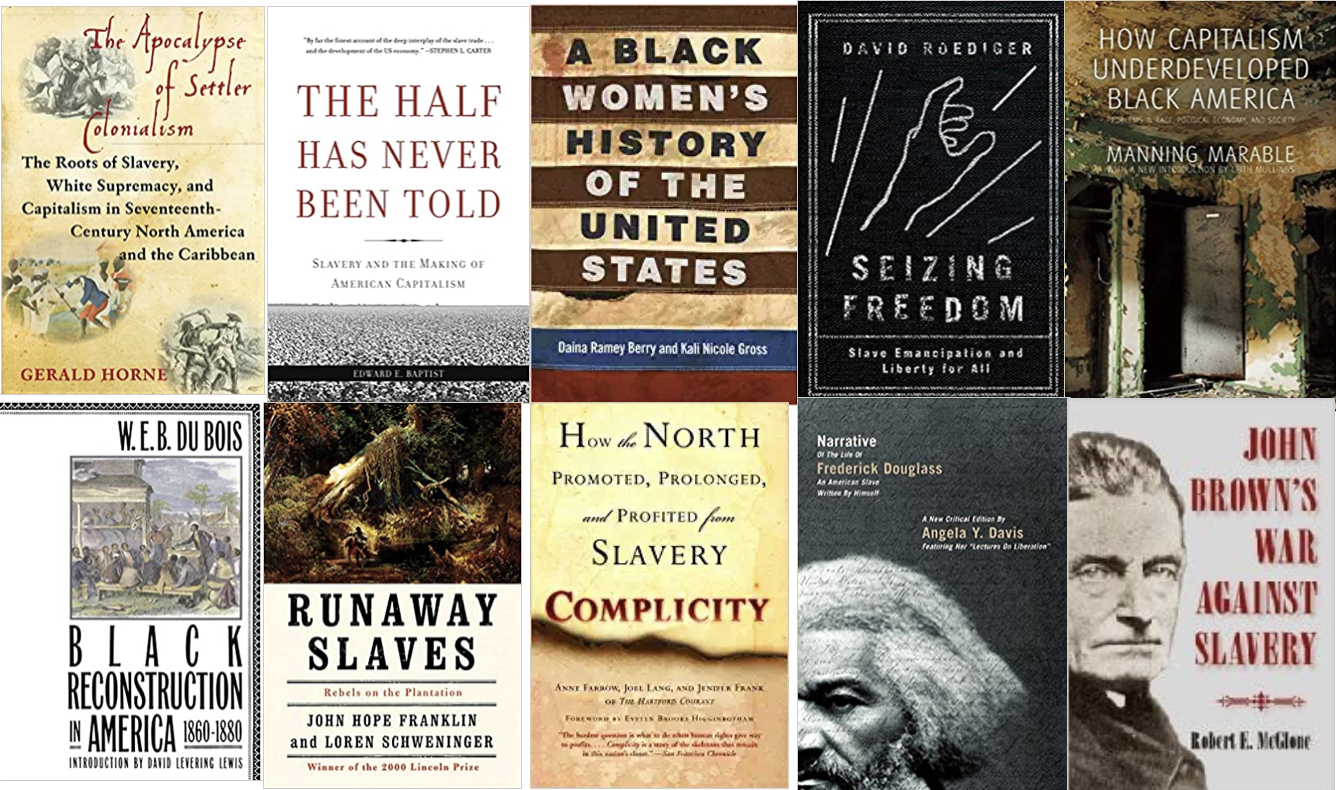
- Repair: Redeeming the Promise of Abolition, by Katherine Franke
- Complicity: How the North Promoted, Prolonged and Profited from Slavery, by Anne Farrow, Joel Lang and Jenifer Frank
- Narrative of the Life of Frederick Douglass: An American Slave Written by Himself, a new critical edition by Angela Davis
- Runaway Slaves: Rebels on the Plantation, by John Hope Franklin and Loren Schweninger
- The Half Has Never Been Told: Slavery and the Making of American Capitalism, by Edward Baptist
- The American Crucible: Slavery, Emancipation and Human Rights, by Robin Blackburn
- Seizing Freedom: Slave Emancipation and Liberty for All, by David Roediger
- Slavery and Public History: The Tough Stuff of American Memory, edited by James Oliver Morton and Lois E. Horton
- Ebony & Ivy: Race, Slavery, and the Troubled History of America’s Universities, by Craig Steven Wilder
- Gateway to Freedom: The Hidden History of the Underground Railroad, by Eric Foner Black Reconstruction in America, 1860-1880, by W.E.B. DuBois
- How Capitalism Underdeveloped Black America, by Manning Marable
- Anti-Racism in US History: The First Two Hundred Years, by Herbert Aptheker
- John Brown’s War Against Slavery, by Robert McGlone
- Five for Freedom: The African American Soldiers in John Brown’s Army, by Eugene Meyer
- Ida: A Sword Among Lions, by Paula Giddings
- The Counter-Revolution of 1776: Slave Resistance and the Origins of the United States of America, by Gerald Horne
- A Black Women’s History of the United States, by Daina Ramey Berry and Kali Nicole Gross
- The Apocalypse of Settler Colonialism: The Roots of Slavery, White Supremacy, and Capitalism in 17th Century North America and the Caribbean, by Gerald Horne
In Part II, I will share the books dealing with the 1940s through the 1970s, in the period that is normally referred to as the Civil Rights Era.
 Grand Rapids Institute for Information Democracy