The Meijer and Kids Food Basket partnership demonstrates how much we have internalized the values of Capitalism
 Editor’s Note: This is the first post we have done in the past two week that does not directly have to do with the GRPD or the GRPD shooting of Patrick Lyoya. However, in some ways, the post below is connected, since it also deal with White Supremacy, White Privilege and White Saviorism. In fact, last year, there were two BIPOC organizers that were threatened by lawyers who worked for Kids Food Basket, because they were challenging KFB practices.
“For over 10 years, Kids’ Food Basket has had the honor to partner with Meijer to break down the barriers to food equity in our community.”
The above comment comes from the President and CEO at Kids Food Basket, Bridget Clark Whitney, while being interviewed recently in the Grand Rapids Business Journal. Whitney was commenting on the relationship that Kids Food Basket has with the local retail giant Meijer.
Equity is a term that is used a great deal these days, sometimes accurately and sometimes not. One definition of equity states: Equity is about giving people what they need, in order to make things fair. Since the CEO of Kids Food Basket is using the term equity when talking about the food they provide school-age students, along with the financial support to do so from Meijer. Therefore, it might be important to think about what equity could look like in this community, if Kids Food Basket and Meijer practiced what they preach.
As we have pointed out in numerous articles previously on Kids Food Basket, the 20 year non-profit does not practice food justice, food sovereignty, nor equity, they practice food charity. They provide food to elementary age children through their sack supper program. This program has received tremendous support over the years, so much so that Kids Food Basket has grown so fast, they have had to move numerous times to accommodate that growth.
The organization also regularly refers to their work as fighting hunger. Yet, in order to fight hunger, one needs to address the root causes of hunger, which are mostly economic and racial in this community. Children of color disproportionately experience food insecurity and poverty in this city that do their white counterparts. If you were committed to ending poverty, then that would mean that the families of the students served by KFB, would be making a livable wage. If families of color were making a livable wage, they would not need to rely on any form of food charity.
When it comes to Meijer, one of the largest grocery chains in the midwest, there are several critiques when it comes to the topic of equity. First, Meijer doesn’t practice equity with their own employees, particularly those that work in the stores. Many Meijer store employees make just above minimum wage in Michigan, which is far from a livable wage. If those Meijer employees were making a livable wage, then their children would not be food insecure.
Second, Meijer annually co-sponsors an PGA Golf Tournament, where golfers making millions, but people can donate money to the Meijer Simply Give program, which we have written about previous, stating in part:
This annual event is not only insulting and offensive to anyone who has a conscience, it actually perpetuate food insecurity. People are not going hungry in this community because they are in need, they are going hungry because of much larger social inequities that the Meijer Corporation and the Meijer family are directly connected to.
Third, the Meijer family wealth now stands at $16.224 Billion. However, their wealth has dramatically grown during the past two years of the pandemic, increasing by $6.2 Billion, while millions have been struggling to survive.
Therefore, it seems appropriate that Kids Food Basket and Meijer have been partnering for the past ten years. This partnership not only demonstrates the failed food charity model, it demonstrates how with critical issues like hunger and food insecurity, we can avoid dealing with root causes.
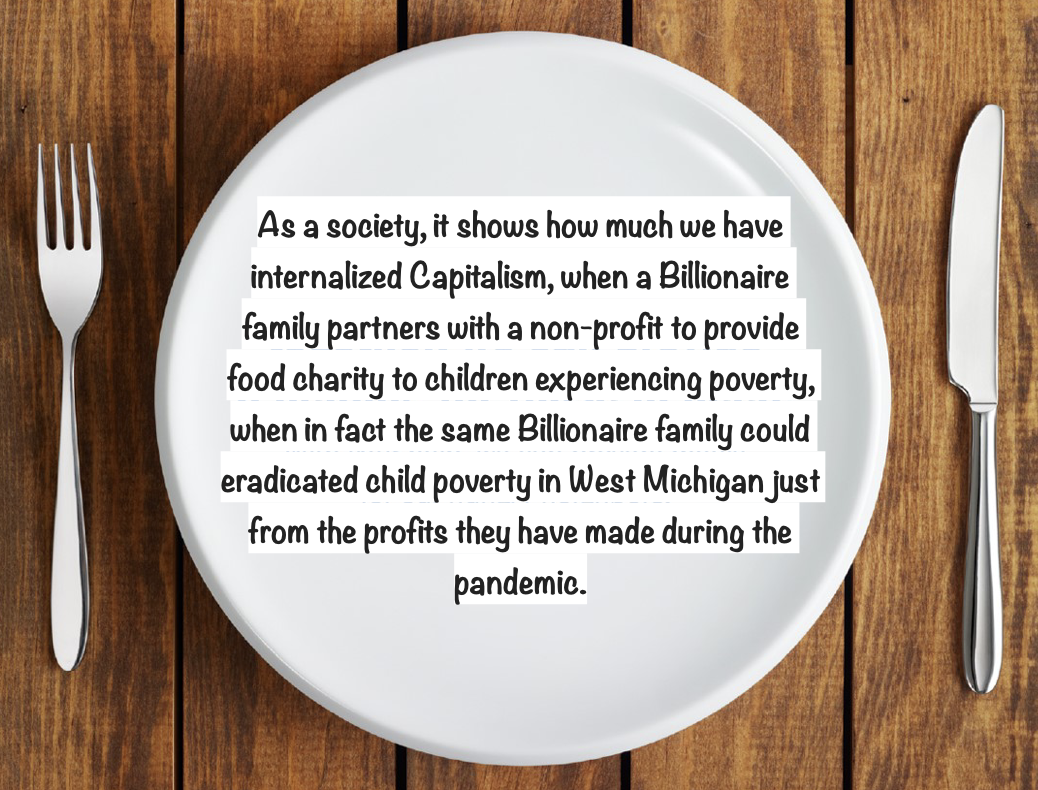
Lastly, this partnership between Meijer and Kids Food Basket, perpetuates the growing wealth gap in West Michigan, and it takes attention away from the exploitative practices of the Meijer family. As a society, it shows how much we have internalized Capitalism, when a Billionaire family partners with a non-profit to provide food charity to children experiencing poverty, when in fact the same Billionaire family could eradicated child poverty in West Michigan just from the profits they have made during the pandemic.
Politicians using the police shooting of Patrick Lyoya during an election year: Part III
In the past week, we have posted two articles looking at politician responses to the GRPD shooting of Patrick Lyoya, both of which are running for office this fall. The first post involved State Senator Winnie Brinks, and the second post involved Kent County Commissioner Phil Skaggs, who is running for a State Representative seat.
On Monday, there was another opportunistic politician, who actually met with Patrick Lyoya’s parents. The politician in question, was Governor Gretchen Whitmer.
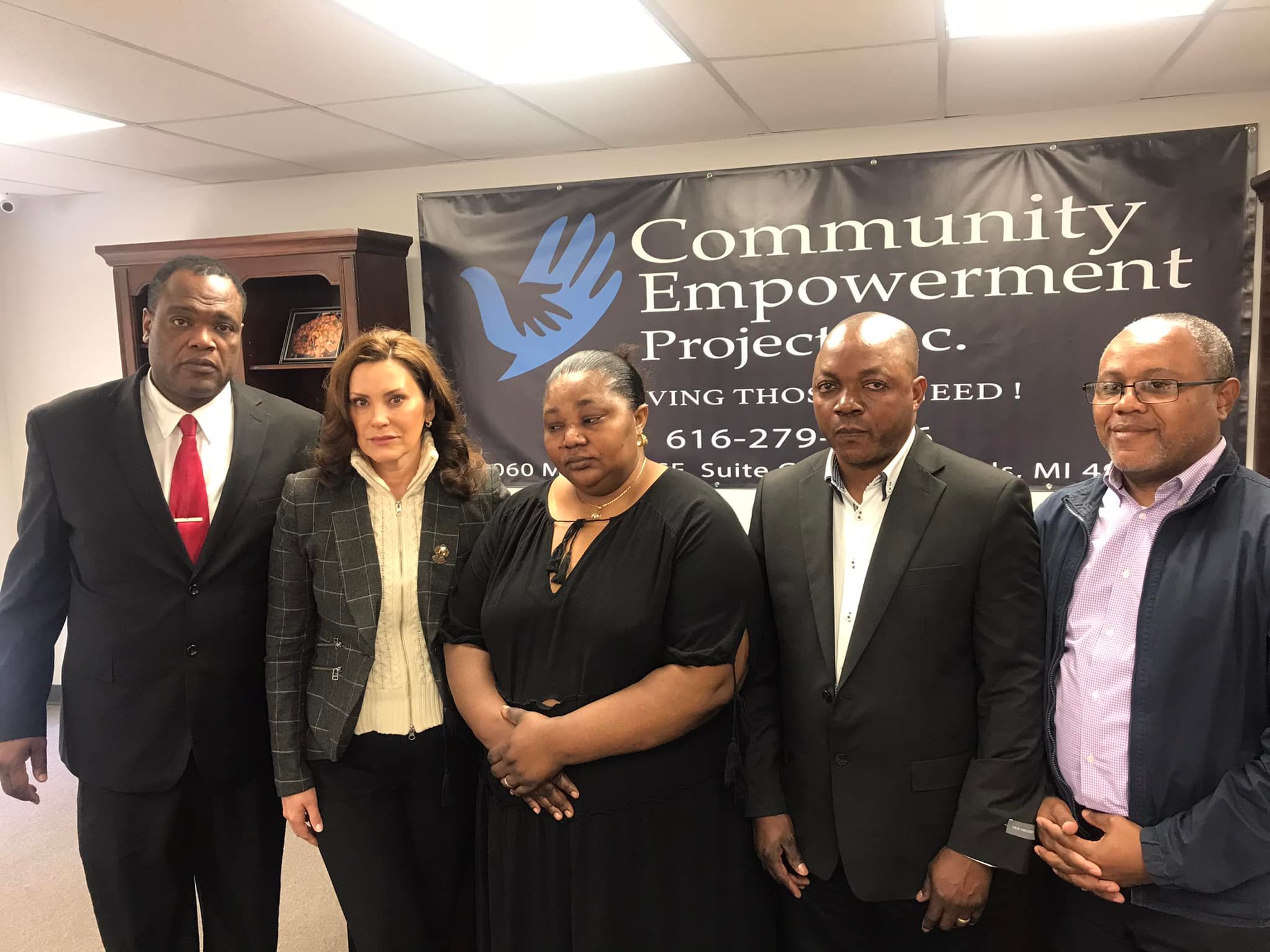
Several local news sources reported on the meeting between Gov. Whitmer and Patrick Lyoya’s parents. Most accounts made it clear that the Governor shed tears while viewing the video of the GRPD officer shooting Patrick Lyoya. It was also reported that Gov. Whitmer would not take a position on this case until the Michigan State Police investigation was complete and shared their findings.
One could argue that Whitmer chose to not take a position, because she was actually waiting to gather all of the information from the State Police investigation. This would be, as many people who have never lost someone to state violence, a prudent position to take.
However, I believe that there are other factors involved in Whitmer’s decision to not take a position. In fact, the Governor’s decision not take a position and to focus solely on the grieving family is similar to what the other politicians we have looked at so far. Governor Whitmer has been the recipient of funding from police unions and has backed legislation that would increase funding for the police.
According to data from the group No More Cop Money, the Whitmer/Gilchrist ticket received $3,000 from police unions in their bid for the Governor’s office in 2018. Whitmer may well be refusing to take a position on the Patrick Lyoya case as she might hope to once again get an endorsement and campaign contributions from police unions in Michigan.
In February, Governor Whitmer announced that for the 2023 Budget, there would be an increase in funding for police. According to her 2/11/2022 Press Release:
Investments
- Deliver more funds to local governments to help them hire more local police officers, firefighters, EMS, and more.
- Launch a campaign to recruit and retain more first responders and Michigan State Troopers.
- Dedicate state resources to tackling a wide range of crime including cyber crime, price gouging, and unemployment fraud.
- Retention bonuses to local police officers, state troopers, conservation officers, corrections officers, firefighters, EMTs. The budget plan includes a supplemental budget for the current year to provide $30 million to provide payments to state and local law enforcement and public safety personnel. When combined with $20 million in federal ARPA funding as part of the Governor’s proposed MI Safe Communities framework, there would be $50 million provided for total payments.
Governor Whitmer had stated in 2020, what Joe Biden had said during his Presidential campaign, that they would not defund the police, but provide increased funding for training and officer retention. In addition, it is worth noting that Big Gretch was quoted in an MLive article stating:
Whitmer is encouraging communities to “designate areas for peaceful demonstrations where people can make their voices heard.”
The notion of creating designated protest area is reminiscent of what happen during the George W. Bush administration, where he advocated for Free Speech Zones, which were nothing more than isolating and often corralling protesters in areas that were determined by the police.
Whitmer’s visit to Grand Rapids on Monday, makes at least three examples of how politicians are using the police killing of Patrick Lyoya in order to win votes in the upcoming election. Any politician should be ashamed of such tactics and those of us who really want justice for Patrick Lyoya, should not support such politicians.
Don’t let GR City Officials dictate the terms of our resistance: Peaceful protest is code for non-disruptive actions
Over the past two weeks, we have heard over and over again from Grand Rapids City Officials, that they are happy with the fact that protests in response to the GRPD murder of Patrick Lyoya have been peaceful. But what is exactly does this phrase, peaceful protests, actually mean, especially when it is coming from systems of power and oppression in Grand Rapids?
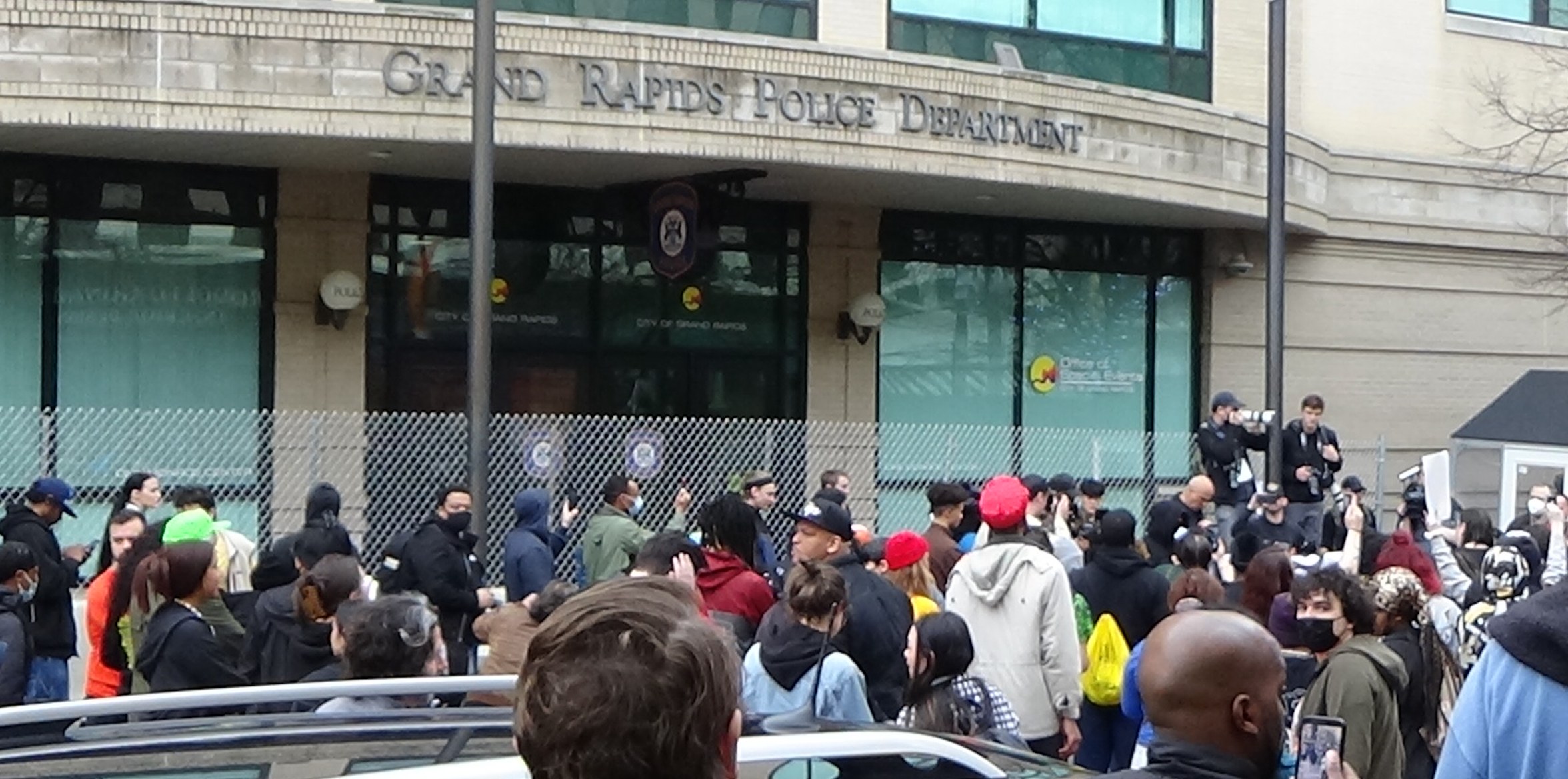
Those in power always council the public to be peaceful in times of crisis, but how have Grand Rapids City Officials responded so far to the protests that have happened? First, Grand Rapids City Officials have put up barricades and fencing around the headquarters of the Grand Rapids Police Department. In addition, the City has strategically placed numerous salt trucks near the police department and certain intersections, thus limiting the mobility and accessibility of the public that is protesting to certain areas of the downtown.
In addition, there have been numerous Michigan State Police officers who have joined members of the GRPD. There could be other law enforcement agencies having a presence in case there is anything like the 2020 uprising, but it is always difficult to know since cops do not believe in transparency.
For those of us who have participated in the protests over the past week, we have also seen undercover officers in the crowd, cops in buildings overlooking the usual protest areas and cops on rooftops. Such tactics are designed to intimidate people, but their primary interest is to engage in surveillance, with the intent of identify certain people and to have documented footage to use against organizers and protesters in general.

Then there are bike cops, who are also wear anti-riot gear and often using the bicycles they are riding as weapons themselves. Then there is the fact that all of the police people have witnessed are also carrying firearms, tasers, pepper spray and carrying zip ties, in the event they need to detain and arrest people. All of this is to say that the police are not acting peaceful, yet City Officials implore protestors to be peaceful.
What those in power mean by peaceful
When Grand Rapids City Officials use the term peaceful protest, they are not referring to the historical non-violent demonstrations and movements used by various social movements throughout history, especially the Black Freedom Struggle. For those in power, being peaceful usually means:
- Obtaining a permit
- Keeping noise to a minimum
- Not obstructing people or cars from moving about
- No disruption of business as usually, like a blockade, a sit-in or other actions that disrupt the wheels of commerce or the function of government
- Absolutely no property destruction, graffiti or tagging
- Never engaging in Civil Disobedience
- Obey those in power
What is instructive about all of the tactics listed above, is that they have all been used by numerous social movements that have self-identified as non-violent movements. This is exactly why we need to call out and call bullshit when Grand Rapids City Officials want to explore us to be “peaceful.” Grand Rapids City Officials deliberately use terms like peaceful protests, specifically because they want to control the narrative around how the public responds to state repression and White Supremacy.
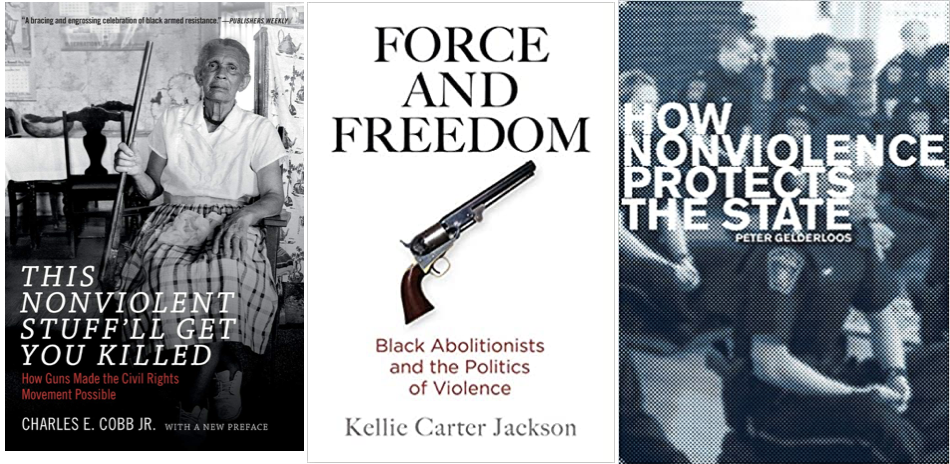
Our collective actions must be disruptive to systems of power and the functioning of Capitalism in Grand Rapids. If our collective resistance is not disruptive, then those in power could care less. In fact, they will keep encouraging us to hold “peaceful protests” and offer to assist us in our efforts. This is a theme that is explored in an excellent book by Peter Gelderloos, entitled, How Non-Violence Protects the State.
People have a right to defend themselves against repression
As long as social movements have existed, there has been a lively debate about tactics and strategies used, especially when movements want to escalate actions that disrupt business as usual and seeks to protect those most affected by state repression, like the Black Freedom Struggle, the American Indian Movement, the Young Lords, the Brown Berets, the Deacons for Defense, various anti-war groups and radical environmental groups.
All of these groups recognized the importance of never foreclosing on any tactic in the struggle for freedom, despite the fact that most of the time their primary tactics were indeed non-violent.
Those in power also want us to believe that change happens when people are peaceful. This is a very sanitized version of history, often used as a weapon against social movements that do not allow those in power to dictate the terms of how they engage in resistance.
This is also very White interpretation of US history. Government officials have overwhelmingly only ever done the will of the people when they are forced to. In addition, to suggest that change only came about through peaceful means in just a god damn lie. People who were enslaved often freed themselves by killing those who enslaved them and burned the fucking plantation. In fact, the Black Freedom Struggle has always had an armed wing throughout history, that often worked in concert with the more non-violent branch of that centuries long movement. See the books Force and Freedom: Black Abolitionists and the Politics of Violence, by Kellie Carter Jackson, and, This Nonviolent Stuff’ll Get You Killed: How Guns Made the Civil Rights Movement Possible, by Charles Cobb Jr.
Let’s make our movement as disruptive as possible. Let’s use Direct Action! Let’s not wait for Grand Rapids City Officials to make changes we want to see, because they won’t, unless we force them to.
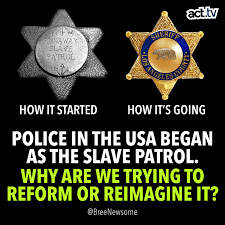 It has now been two weeks since a GRPD cop shot Patrick Lyoya in the back of the head, after the cop pulled him over for an invalid license plate.
While we are all still in shock from what happened and continue to grieve with the Lyoya family, there has been a fair amount of pontificating about what could be done to prevent this from happening again.
Most of the commentary from Grand Rapids City Officials, along with other politicians and so-called community leaders are calling for certain police reforms or additional training for members of the GRPD. This is what people in power do, they only want to tweak policies, instead of engaging in radical imagination. Mild reforms will never address the root causes of policing.
Remember, in just the last decade, the GRPD has implemented so-called policy reforms, ever since Trayvon Martin was killed and the Movement for Black Lives entered the national scene. The GRPD and Grand Rapids City officials did the same reformist two-step after Michael Brown was killed by a cop in Ferguson, Missouri. I remember attending a meeting in 2014, where then Chief Rahinsky said that the GRPD was going to adopt numerous reforms, including officers wearing body cams.
In May of 2017, many in the Black community called on Grand Rapids City officials to declare a State of Emergency because of the GRPD pulling guns on several Black youth, which was largely ignored.
 In late 2017, the GRPD once again pointed guns at Honestie Hodges, an 11 year old Black girl. The GRPD at the time felt that the officers were simply following procedure.
In the late Summer of 2018, the GRPD continued this pattern of detaining Black youth at gunpoint, with a mild reformist policy outcome.
Despite the GRPD’s Youth Interactions Policy, the GRPD again pulled guns on two Latino youth just for walking in the street on a side road in their neighborhood. Later that year, Black and Latino activists made demands on the GRPD, but the GRPD simply ignored it.
This is all to say that Grand Rapids City Officials and the GRPD are only willing to adopt reforms when there is significant pushback from the community, but these reforms are irrelevant in the face of how the GRPD does policing on a daily basis. The GRPD killing of Patrick Lyoya is getting lots of attention (rightfully so), but the GRPD policing practices are always putting Black, Latinx, Indigenous and other marginalized communities at risk of arrest, detention, intimidation and death.
This moment, right now, seems like the perfect opportunity to have a serious community conversation around Defunding, even Abolishing the GRPD.

GRIID just finished an 8-week class on Police Abolition, so we have lots of reading material and resources to challenge our views about policing in general and why reforms and policy tweaks will do nothing to prevent the criminalization of Black people and other marginalized communities in the future. (See links from the 8-week class on Police Abolition at the end of this article.
Naomi Murakawa, author of the book, The First Civil Right: How Liberals Built Prison America, has a great essay entitled, Three Traps of Police Reform. Those three traps are:
The first trap of reform is that reform the police usually means reward the police. As a supposed concession to the first wave of Black Lives Matter protests in 2014 through 2016, the Obama administration gave police a gift basket: $43 million for body cameras. Body cameras have not delivered on early promises to reduce force and increase accountability, but they have expanded police surveillance powers, especially when equipped with facial-recognition software. As police patrolled Black Lives Matter protests in 2020, they captured images of protesters—by using the very technology that elites promised would contain some of the police powers that had sparked the protests just a few years ago.
The second trap of reform: Because police seem lawless, reformers hope that new laws will rein in their power. But the premise is wrong. Policing is not law’s absence; it is law’s essence in a system of racial capitalism.14 In this system, laws affirmatively protect the police’s right to target the poor, to lie, and to kill.
The third trap of reform: perpetual reform exploits and feeds the fantasy that violence is a technical glitch of policing. Because reformers refuse abolition, they can only tinker with the style of police violence.
Another insurgent writer on the issue of the failure of reformism and policing is Dylan Rodriguez. Rodriguez’s most recent book is White Reconstruction: Domestic Warfare and the Logics of Genocide. His essay, Police Reform as Counterinsurgency, states:
 Reformism the ideological and political position that fixates on reform as the primary if not exclusive engine of social change/justice—is another name for this soft form of counterinsurgency. Reformism defers, avoids, and even criminalizes peoples’ efforts to catalyze fundamental change to an existing order, often through dogmatic and simplistic mandates of “nonviolence,” incrementalism, and compliance.
Moreover, reformism sees the law as the only legitimate form of protest, collective cultural/political expression, and/or direct intervention on systemically violent conditions. (It is worth noting that the interpretation of violent vs. nonviolent acts requires discussion and debate, particularly in response to oxymoronic notions of “property violence” that rarely account for gendered anti-Black and racial-colonial state violence.) Reformism limits the horizon of political possibility to what is seen as achievable within the limits of existing institutional structures (electoral politics, racial capitalism, heteronormativity, formal citizenship, established forms of government and state authority, etc.).
While abolitionist, revolutionary, and radical forms of collective analysis and movement frequently create irreconcilable confrontation with oppressive institutions and systems, reformism seeks to preserve social, political, and economic orders by modifying isolated aspects of their operation. A peculiar assertion animates contemporary forms of this liberal-progressive counterinsurgency: that the long historical, systemic, institutionally reproduced asymmetries of violence produced by existing systems are the unfortunate consequences of fixable “inequities,” “disparities,” “(unconscious or implicit) biases,” corruptions, and/or inefficiencies. In this sense, reformism presumes that equality/equity/parity are achievable—and desirable—within existing systems. The reformist counterinsurgency pivots on a fervent belief that the spirit of progress, national improvement, and patriotic belief will prevail over a fundamentally violent order. In practice, this belief approximates a form of dogmatic liberal faith—a kind of pseudo-religion. Thus, increased “diversity” in personnel and bureaucratic infrastructure, shifts in the legal and policy apparatus, and individualized “anti-bias trainings”18 ascend as some of the principal methods for alleviating state violence. There is yet another layer of fatal assumption that structures the reformist position: that those targeted for misery, displacement, and premature death under the existing social order must tolerate
The system of power in Grand Rapids, which includes the GRPD, will probably offer up some reforms in the wake of the police murder of Patrick Lyoya. Grand Rapids City officials will will do this for two main reasons: 1) to appease White Guilt, and 2) to circumvent any real discussion around Defunding and Abolishing the GRPD. We cannot let that happen. If those who are currently marching to demand justice for Patrick Lyoya miss this opportunity to push for GRPD defunding and the Abolition of policing, then we will guarantee that there will be more GRPD killings of Black and other people of color in the future.
 GRIID Class Resources: See all of the links in each of the 8 part class posting.
GRIID Class on the History of Policing and Working Towards a World without Police Part I
GRIID Class on the History of Policing and Working Towards a World without Police Part II
GRIID Class on the History of Policing and Working Towards a World without Police Part III
GRIID Class on the History of Policing and Working Towards a World without Police Part IV
GRIID Class on the History of Policing and Working Towards a World without Police Part V
GRIID Class on the History of Policing and Working Towards a World without Police Part VI
GRIID Class on the History of Policing and Working Towards a World without Police Part VII
GRIID Class on the History of Policing and Working Towards a World without Police Part VIII
Editor’s Note: If there are enough people who wanted to take this GRIID Class, I would be happy to schedule another one on this topic of the history of policing and working towards the Abolition of policing.
 Yesterday, we posted an article that looked at one example from a Grand Rapids-based elected official and their weak/safe response to the GRPD killing of Patrick Lyoya.
Earlier today, I saw another state from a Kent County Commissioner and candidate for a State Representative seat. This statement, from Kent County Commissioner Phil Skaggs, was a sponsored post, meaning he paid money to post the statement. This makes sense, especially since he is running for a State Representative seat in West Michigan and wants to demonstrate to the public that he cares about what happened to Patrick Lyoya.
You can read his full statement at his State Representative page, but I believe it is important to not only deconstruct his statement, but offer up some information on how dismissive of Black and Brown people Skaggs has been in recent years, which would call into question his sincerity.
- When Movimiento Cosecha GR and the GR Rapid Response to ICE groups began working on ending the Kent County’s Contract with ICE in 2018, Commissioner Skaggs refused to endorse those efforts, but he did gaslight people and mock organizers for engaging in “bolshevik cosplay” (his words).
- When a GRPD liaison (Captain VanderKooi) to Immigration and Customs Enforcement contacted ICE to have Jilmar Ramos-Gomez arrested, Skaggs never condemned the racist profiling of Jilmar, who was not only a citizen of the US, but had served in the US military.
- More than one African American who has served on the Kent County Commission with fellow Democrat Phil Skaggs, has often referred to him as being a bully and a racist. Here is a Facebook link with an audio file, but the important part is the commentary by Commissioner Womack. Womack was threatened by Skaggs for challenging him to be the minority chair for the Democrats within the County Commission. According to Womack, Skaggs told him that he would ruin his political career if he ever challenged him again. Read it for yourself.
- As I mentioned in yesterday’s post, there are many local politicians that have received funding from the Grand Rapids Police Officer’s Association, including Phil Skaggs.
- In 2020, the Kent County Commission unanimously wanted to provide Care Act funding to Grand Rapids for the specific purpose of purchasing the ShotSpotter technology to be used by the GRPD, despite the overwhelming opposition from Black organizers and residents.
The Statement
Now I want to make some comments about Commissioner Skagg’s statement. In the second paragraph, Skaggs said that after watching the press conference he went down to the protest in front of the Grand Rapids Police headquarters, then listed what he heard, along with some of his actions.
First of all, I don’t recall Skaggs being at the protest. I was doing crowd safety and constantly walking around looking for GRPD uniformed officers, undercover cops and other racists who would come to do harm. I never saw Skaggs. However, if he was there, then his comments on what he heard and what he thinks are not what was happening at that protest. In addition, those who have been organizing these protests have been doing demonstrations for years against the GRPD, and someone those involved Skaggs has previously looked down upon because of their tactics.
Second, Skaggs never uses language like, “Patrick Lyoya was shot in the back of the head by a GRPD officer.” His statement is careful not to alienated potential voters in the district he in running in.
Third, most of the statement is based on what Skaggs thinks are the two things that the community can do to bring justice to the Lyoya family. One point he made was to have an outside/independent prosecutor, which is a legal tactic and it means putting faith in the system. The other suggestion he offered was to call for police reforms, but only after Skaggs praises the GRPD, saying they “work in very difficult conditions and are under a tremendous amount of pressure given the level of violence in our communities and the number of guns on our streets. I thank the officers who do their job well and keep us safe.” This kind of narrative is very reactionary and out of context. It also ignores the longstanding structural violence imposed on BIPOC communities in West MI. In addition, his suggestion means that he hasn’t been paying attention to the frustration, anger and fear the Black and Latinx communities have when it comes to local law enforcement and the numerous, even systemic ways that policing practices a form of White Supremacy against Black and Latinx people.
Lastly, towards the end of the statement, Skaggs says, “Throughout American history, change only happens when we elect government officials who are work toward justice and when people peacefully take action to show leaders the changes they want to see implemented.” This is a very White interpretation of US history. Elected officials have overwhelmingly only ever done the will of the people when they are forced to. In addition, to suggest that change only came about through peaceful means in just a god damn lie. People who were enslaved often freed themselves by killing those who enslaved them and burned the fucking plantation. In fact, the Black Freedom Struggle has always had an armed wing throughout history, that often work in concert with the more non-violent branch of that centuries long movement. See the books Force and Freedom: Black Abolitionists and the Politics of Violence, by Kellie Carter Jackson, and, This Nonviolent Stuff’ll Get You Killed: How Guns Made the Civil Rights Movement Possible, by Charles Cobb Jr.
As we noted in yesterday’s post, if you are receiving responses from elected officials who have been included (like Skaggs) in the Action Network letter from over 190,000 people, think before you like it, since it is impossible for politicians to really care about the GRPD murder of Patrick Lyoya, especially when they are either receiving political contributions from police unions, and/or they are voting for or endorsing police targeting Black and Latinx communities.
Thoughts & Prayers: Don’t be fooled by safe responses from Elected Officials on the GRPD murder of Patrick Lyoya
 Earlier this week, we posted an article about how only 1 politician out of the 47 who has received the letter with demands from the parents of Patrick Lyoya, had taken a public stance against the GRPD killing of Patrick.
However, in the past few days there have been government officials who have released public statements or who have responded to the now 173,000 letters that have been sent.
The responses that I have seen, however, are not exactly the kind of responses the family of Patrick Lyoya and the larger community had hoped for. The responses tend to acknowledge the loss of life and share sympathy for Patrick’s family, but they avoid saying anything about the fact that a GRPD cop shot Patrick in the back of the head. Here is an example from State Senator Winnie Brinks:
“I am outraged and heartbroken by the death of Patrick Lyoya, who was fatally shot by police last week. I extend my deepest condolences to his family as they grapple with this tragic loss, and join our community in mourning him.
“Our community is rightfully demanding an accurate and full investigation. I urge all involved to proceed transparently and with sensitivity to the urgency and pain our community is feeling.
“I have been in touch with local faith leaders and others to offer my support and will continue to stay in contact with them as we work through this together.
“Finally, we must work toward effective public safety that serves everyone in our communities so tragedies like these do not continue to happen.”
Again, this statement doesn’t name what the GRPD cop did to Patrick, thus it sanitizes the “tragic loss.” In addition, talking to local faith leaders instead of the BIPOC activists that have been leading the police accountability and Defund the GRPD efforts over the last two years, simply demonstrates that Senator Brinks is unaware of which groups have been putting the structural violence and systemic racism of the GRPD front and center for the past two years or she does value talking to them. Lastly, ending with a comment about “effective public safety,” is just code for supporting the police. In fact, it is more than just code, since Senator Brinks, like many other politicians in Michigan, have received funding from police unions.
In the summer of 2020, we wrote an article that pointed out Grand Rapids-based political candidates, which had received funding from the Grand Rapids Police Officer’s Association. Winnie Brinks is on that list, having received funds numerous times since 2014, totaling several thousand from the Grand Rapids Police Union.
There is also the group No More Cop Money, which tracks police union funding across the US. Here is a link to amount of money provided to state candidates in Michigan. You can see that the police union funding is equally distributed across partisan lines, which is why police funding and police support is difficult to challenge, since it a bipartisan reality.
If you are receiving responses from elected officials who have been included in the Action Network letter from over 173,000 people, think before you like it, since it is impossible for politicians to really care about the GRPD murder of Patrick Lyoya, especially when they are either receiving political contributions from police unions, and/or they are voting for increased funding for cops in Michigan.
Sanitized language and deflection were the dominant themes of the Grand Rapids Release the Video Press Conference
Most of the video has now been released involving the GRPD killing of Patrick Lyoya. At yesterday’s Press Conference, City Manager Mark Washington, Brandon Davis with the Office of Oversight and Public Accountability, and Police Chief Eric Winstrom continued to engage in a public relations spin.
What follows are a running list of observations and commentary on the April 13 Press Conference.
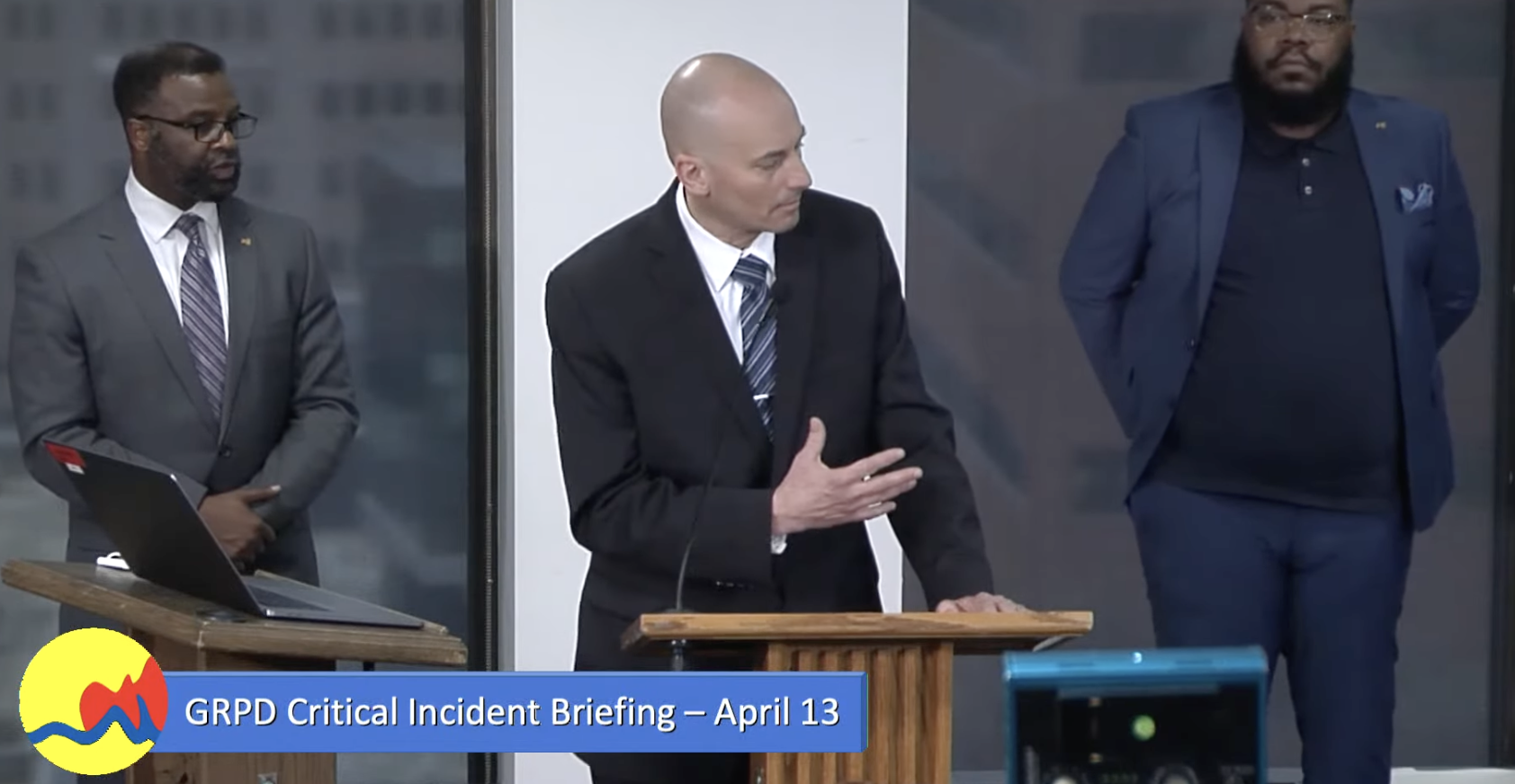
The Press Conference is entitled, GRPD Critical Incident Briefing. Systems of power always use language that protects them and avoids truth telling.
City Manager Mark Washington speaks first and refers to the GRPD killing of Patrick Lyoya as an unfortunate incident. Unfortunate is a term you use to describe a pair of white dress shoes, not the police killing of a young Black man.
Washington then congratulates Chief Winstrom for his transparency and willingness to release the video. Maybe I am a bit naive on this matter, but aren’t all public officials supposed to practice transparency as a central part of their job?
Brandon Davis also felt compelled to praise Winstom’s transparency.
Chief Winstrom thanks the GRPD for their “sacrifice” and coming to work every day during these difficult times. Cops are always looking out for cops.
Winstrom then presents a mini-powerpoint before getting to the video, again referring to the GRPD officer shooting and killing Patrick Lyoya as an “incident.”
A few thoughts on the video:
- This was a petty infraction, with a mismatched license plate.
- The cop escalated the conflict with Patrick Lyoya from the very get go, first telling him to get back into his car, mostly yelling at him, then tackling him, kneeing him, punching him and using a taser on him before shooting him in the back of the head.
- Since the GRPD officer was motivated by the mismatched license plate issue, he could have decided to de-escalate the situation, walk away from it or wait for back up. He did none of those things.
Here is what the law in Michigan says about use of force:
OBJECTIVELY REASONABLE USE OF FORCE
- Under the Fourth Amendment of the United States Constitution, a law enforcement officer may only use such force as is “objectively reasonable” under all of the circumstances. The standard that courts will use to examine whether the use of force is constitutional was first set forth in Graham v. Connor, 490 U.S. 386 (1989), and expanded by subsequent court cases. The reasonableness of a particular use of force must be judged from the perspective of a reasonable law enforcement officer on the scene at the moment the force was used, rather than with 20/20 vision of hindsight. The reasonableness must account for the fact that law enforcement officers are often forced to make split-second judgments – in circumstances that are tense, uncertain, and rapidly evolving – about the amount of force that is necessary in a particular situation.
- Reasonableness will be determined by balancing the nature and quality of the intrusions with the countervailing governmental interests. The question is whether the law enforcement officer’s actions are objectively reasonable in light of the facts and circumstances confronting the officer. Objective factors will determine the reasonableness of force including, but not limited to, the severity of the crime, whether the suspect poses an immediate threat to the safety of the law enforcement officers or others, and whether the suspect is actively resisting arrest or attempting to evade arrest by flight.
- Enforcement members shall only use force which is objectively reasonable under the totality of the facts and circumstances to overcome a subject’s resistance, to make an arrest, or maintain proper custody of a prisoner, when a resisting subject de-escalates his/her resistance, the enforcement member shall also de-escalate the amount of force used proportionately
The use of force law is purposely written to be vague, thus allowing lots of latitude for interpretation of when it is appropriate for cops to use deadly force.
Before Chief Winstrom answers questions from reporters, Mark Washington speaks again and congratulates City Commissioners and the Mayor for being at the Press Conference. Isn’t this their job?
Washington then says that he wanted to acknowledge all of the voices that have been calling for the release of the video, and “all the demonstrations have been peaceful.” This is such a shitty and condescending word to use when it comes to the public. When people in power say that demonstrators were peaceful, it primarily means that they did not disrupt business as usual. I wrote about the constant use of the phrase peaceful protest in a post just after the May 2020 uprising in Grand Rapids, in an article entitled, Is there really any such thing as a Peaceful Protest?
Washington also thanks “community partners” that have organized the protests, pointing to Kent County Commissioner Womack and community pastors. There is no acknowledgement of the fact that most of the protests that have been organized in recent years, including the two before the Video Release Press Conference, were young Black organizers. These are the people that Washington should be thanking, but won’t, since they have been holding his feet to the fire for several years now.
During the Q & A, Chief Winstrom kept repeating that he will not address that question until the investigation is complete.
Someone with the Michigan National Action Network then says that the Rev. Al Sharpton will be coming to Grand Rapids. This man then commends the Grand Rapids City Officials for their openness and transparency.
The fact that Rev. Sharpton is coming to Grand Rapids should be scrutinized. Sharpton was criticized sharply by the young Black organizers in Ferguson, Missouri after the police murder of Michael Brown. Those young Black organizers who did the hard on the ground work to challenge policing in Ferguson, were disrespected by Sharpton. Here is an excerpt from an article from Ebony entitled, And the young ones shall lead them, the Ferguson rebellion and the crisis in Black Leadership.
Meanwhile, traditional civil rights institutions and religious leaders failed to understand the foment of the younger generation. Older leaders called for protester restraint and highlighted black-on-black crime, affirming popular notions of black pathology. Many condemned the vicious policing during the Ferguson Rebellion as an afterthought – further alienating a dispossessed generation. On more than one occasion high profile black leaders denounced black youth who took to the street as thugs, rioters and looters. A significant portion of Rev. Al Sharpton’s sermon during Mike Brown’s funeral service was devoted to criticizing a generation of young blacks, painting them as gun-toting thugs who have “ghetto pity parties”. The NAACP was silent for nearly three days following Brown’s killing and the subsequent social unrest. The venerable civil rights’ organization’s first comment on the ugly affair came in the form of a quickly deleted tweet: “When someone outside of our race commits murder we want upheaval, but we need same for all murder.” This ill-fated statement resulted in a swift social media backlash, further underscoring the distance between the historic civil rights organization and a younger generation.
In the end, this Press Conference, like the one held last week, was crafted to make Grand Rapids City Officials appear humane and sensitive, with lots of self-congratulatory comments, along with sanitized language around the police killing of Patrick Lyoya.
(Editor’s note: As a matter of transparency, I was asked to be part of the Crowd Safety team for the protest march last night.)
Last night, some 300 people gathered near the Rosa Parks statue in downtown Grand Rapids to get ready to march against the GRPD murder of Patrick Lyoya, which took place a week ago Monday.
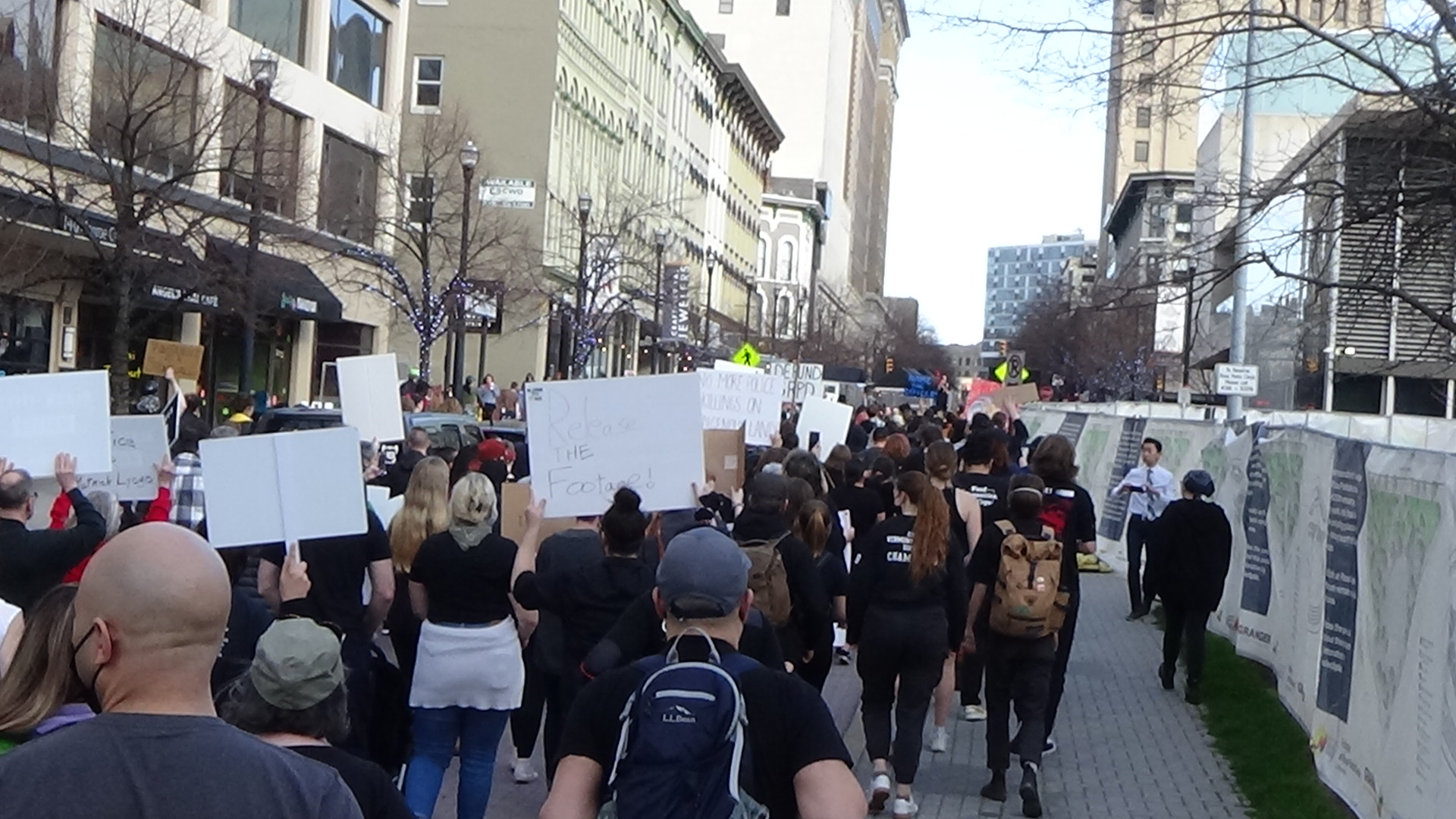
March organizers taught people some chants, as there were likely people who had not previously been part of the GRPD protests that have taken place over the past two years. People were also provided with some ground rules for the march, since you can’t predict how the Grand Rapids Police Department will respond to un-permitted marches.
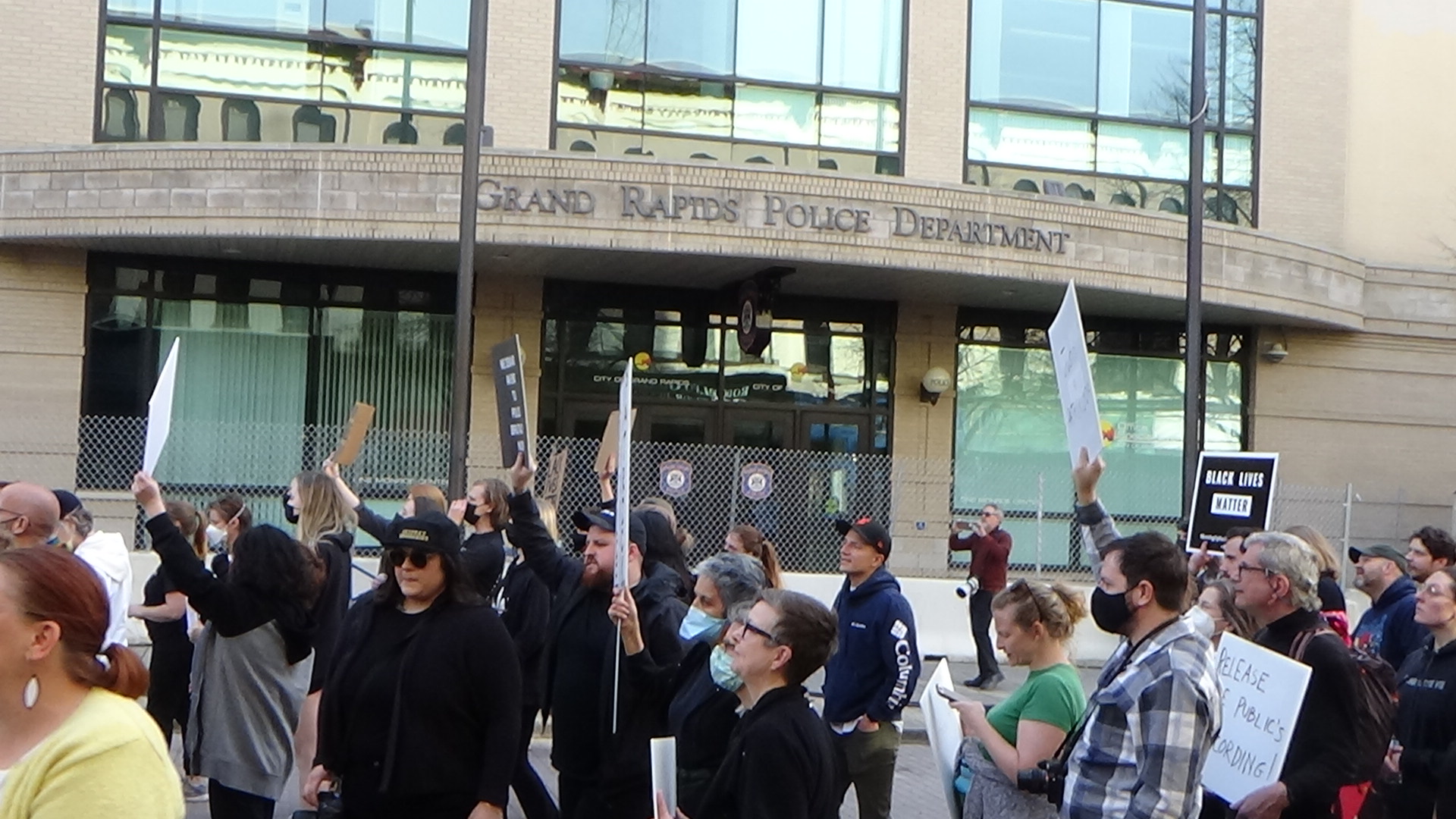
As we have learned in recent years, the GRPD will selectively enforce the law or ordinances, when they want to. Considering that people are really pissed off about a GRPD cop shooting Patrick Lyoya in the back of the head, they chose to allow an un-permitted march in the streets of downtown Grand Rapids. Organizers were also using a megaphone, which at times has led to people being arrested, since the GRPD claims megaphones violate city noise ordinances.
Earlier in the day, the City decided to barricade the north and south entrances to the Grand Rapids Police Department building, which certainly acknowledges that they were preparing for a potentially escalated action. However, while the march did stop in front of the main entrance to the police department building, there was no indication that the march would do anything other than make noise outside.
The march then swung around GRPD building, going west on Fulton and then weaving its way back to Monroe, stop on the street in front of City Hall. Again, march organizers spent about 15 minutes in the street in front of City Hall, with more speeches and chants.

Eventually people were invited to walk up to the Calder Plaza area, and then into the City building to participate in the commission meeting. However, at least half of the crowd stayed down on Calder Plaza, since the Commission chambers were apparently already “at capacity.”
Now, let’s think about this for a moment. Grand Rapids City Officials knew that there would be a huge turnout for the Commission meeting. City Officials knew that people were disgusted and enraged over the GRPD murder of Patrick Lyoya. They knew people would be calling for accountability. Knowing all of this, the Grand Rapids City Officials decided to conducted business as usual, to treat last night’s City Commission meeting like any other meeting. The City could have, and should have moved the meeting to a different location to accommodate all of the people who came to the meeting last night. The optics alone, would have sent a stronger message, where City Officials would have to look at a crowd of over 500, instead of managing the dissent of Grand Rapids residents.
There were powerful things that were said during the meeting last night, which you can watch here. But those collective comments would have been more powerful if the space would have accommodated the collective, both those who came to speak in person and those who WOULD have called in to comment, but are no longer allowed to do so since the in-person meetings resumed.
If you were not at the City Commission meeting, please listen to the comments from the City Commissioners at the end of the meeting. Their collective comments were instructive, but we shouldn’t be fooled by what they said. No amount of crocodile tears can undo the harm that Grand Rapids City Officials have done in recent years, particularly around the issue of policing. In the end, their comments were performative and we should not be lulled by their comments and their shallow apologies.
We now know that the video from April 4, when the GRPD killed Patrick Lyoya, will be released today, on Wednesday, April 13 at 3pm during a Press Conference. We should be clear that the release of the video during the Press Conference on Wednesday will also be used as an attempt to manage public dissent. We cannot allow ourselves to let Chief Winstrom or any Grand Rapids City Officials to dictate how the public responds to the GRPD murder of Patrick Lyoya.
It is critical that we collectively center the the family of Patrick Lyoya with whatever response we have, but it is also important that whatever actions we take DO NOT perpetuate business as usual. We have to disrupt business as usual and to be strategic in our resistance. There is another protest scheduled for Wednesday, April 13 at 5pm. Please check in with groups like Defund the GRPD, Together We Are Safe, Voices of the Revolution and numerous other community-based, grassroots groups that have a more robust vision for dismantling the deep seated White Supremacy and Managerial Racism that is Grand Rapids. Change will NOT come from those in power, but from the grassroots, as it always has.

Government Officials have been overwhelmingly silent after a GRPD officer shot and killed Patrick Lyoya in Grand Rapids
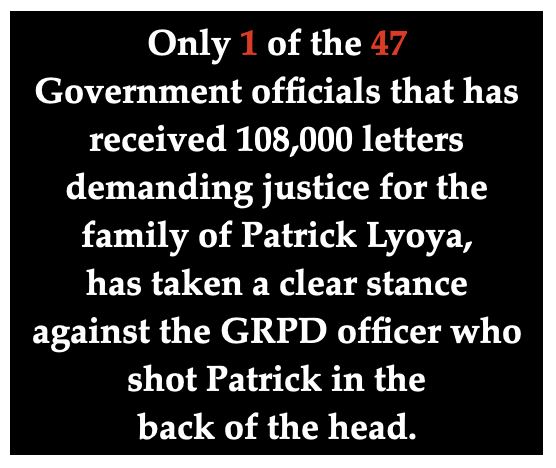 It has been more than a week since Patrick was shot in the back of the head, lying face down on the pavement, by a Grand Rapids Police officer. At the time of this article’s posting, there were a total of 108,000 letters signed by people about the GRPD murder of Patrick Lyoya.
In addition, those letters were addressed to the following people:
- Grand Rapids Mayor Rosalyn Bliss
- Grand Rapids City Commissioners O’Connor, Reppart, Ysasi, Jones, Lenear and Moody
- Grand Rapids City Manager Mark Washington
- Grand Rapids Police Chief Eric Winstrom
- GRPD Internal Affairs Joseph Trigg
- Grand Rapids City Clerk Joel Hondorp
- All 19 Kent County Commissioners
- Captain of Transparency and Accountability Division with the Michigan State Police, Thomas Decays
- Michigan State Police Director Colonel Joseph Gasper
- State Representatives Julie Brixie, Rachel Hood, Kara Hope, Sara Anthony, Bryan Posthumus, David LaGrand, Steven Johnson, and Tommy Brann
- State Senators Winnie Brinks and Aric Nesbitt
- Rep. Peter Meijer
- Senator Gary Peters
- Senator Debbie Stabenow
- Vice President Kamala Harris
- President Joe Biden
This list is a total of 47 different government officials, from Grand Rapids all the way up to the White House. It has been over a week since a GRPD cop shot Patrick Lyoya in the back of the head. Of the 47 government officials, who have received over 108,000 letters on this matter, how many do you think have responded or made any public declaration about the case and the demands that are included in the letter?
- I would never expect the President or the Vice President to respond, but NO
- Senator Gary Peters – NO
- Senator Debbie Stabeow – NO
- Rep. Peter Meijer – NO
- State Senator Brinks – NO
- State Senator Nesbitt – NO
- State Representative Brixie – NO
- State Representative Hood – NO
- State Representative Hope – NO
- State Representative Anthony – NO
- State Representative Posthumus – NO
- State Representative LaGrand – NO
- State Representative Johnson – NO
- State Representative Brann – NO
- Neither of the two Michigan State Police Officials
- Of the 19 Kent County Commissioners, only Commissioner Womack has spoken up
- None of the Grand Rapids City officials have responded to the letter, nor posted their outrage at the GRPD killing of Patrick Lyoya.
This means that of the 47 different government officials who have received 108,000 letters about the fact the a GRPD cop shot Patrick Lyoya in the back of the head, only 1 has spoken out against it.
So much for the idea of being public servants or responding to the will of the people. However, this is the history of government officials. As the late radical historian, Howard Zinn, points out, government officials only do what the public wants, when they are forced to do so, usually by organized social movements. In that tradition, we can force the local governments meet the demands that are being asked by Patrick Lyoya’s family.
US State-sponsored violence caused Patrick Lyoya’s family to flee the Congo, then it murdered him on the streets of Grand Rapids
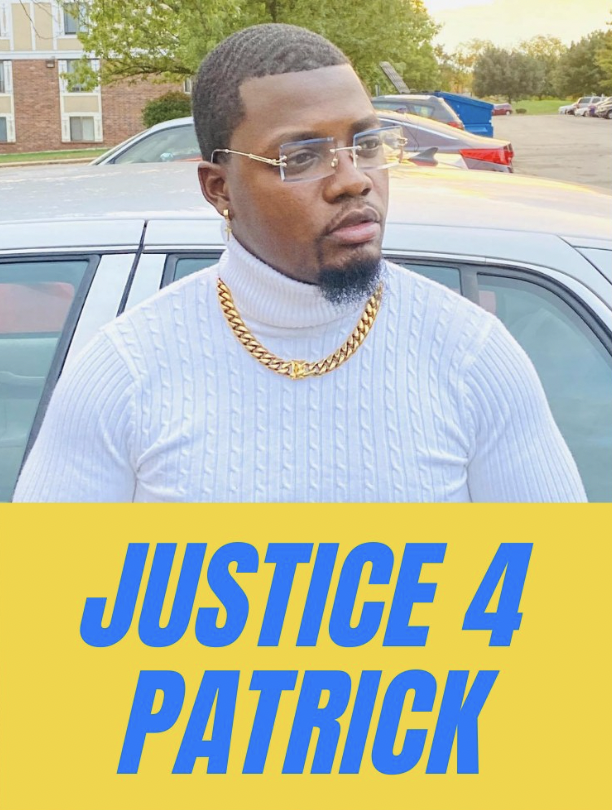 Numerous news stories about the GRPD shooting of Patrick Lyoya, often provides a brief context for the Congolese family’s decision to leave the Democratic Republic of the Congo and come to the US. Through an interpreter, the father of Patrick Lyoya has stated that his family, “moved from the Democratic Republic of the Congo to the United States to escape violence.”
The same news story from WXMI 17 also quoted Patrick’s father as saying, “I witnessed this thing in Africa. I never expected to see it happen in America.” Having some context on what the family of Patrick Lyoya has been through is critical for how the public navigates this story. However, what the coverage has not been including is how US foreign policy has contributed to the violence that so many Congolese have experienced in recent decades.
Like most of the Global South, the Congo went through a period of de-colonization after WWII. In the case of the Congo, the push for freedom from Belgium took place during the 1950s, with the country finally gaining their independence on June 20, 1960. The leader of the independence movement was Patrice Lumumba.
 At that time, the Congo was rich in mineral resources, so the Eisenhower Administration saw the independence of the Congo as a threat to US interests. The Director of the CIA, Allen Dulles, gave the orders for Lumumba to be assassinated. However, before the CIA could act, Mobutu Sese Seko, Lumumba’s private secretary, intervened and removed Lumumba from power. Lumumba was then executed in January of 1961, with both the CIA and Mobutu being implicated in that assassination. (See The Assassination of Lumumba, by Ludo De Witte and this video entitled The Lumumba Assassination and CIA Accountability)
After the assassination of Lumumba, there were several years of civil war, but it 1965 Mobutu rose to power. Mobutu went on to rule the country for the next 30 years, with corruption and political violence as the norm. Mobutu also pocketed much of the country’s wealth and engaged in cruelty that even shocked his CIA handlers. (See Killing Hope: US Military and CIA Interventions since WWII, by William Blum)
The US was regularly providing millions in military aid to the newly named Zaire, with Mobutu repressing political challengers and crushing resistance movements. By 1977, political violence and civil resistance again plagued the country. Jimmy Carter was now in the White House, but he continued to provide military aid to Mobutu in the millions of dollars, in order to suppress political dissent and to protect US mining interests.
The US support for the Mobutu dictatorship then continued through the Reagan/Bush/Clinton years, with devastating effects on the country, in terms of political repression to go along with systemic poverty for a large percentage of the Congolese population.
During the George W. Bush and Obama administrations, there was the creation of what is known as AFRICOM, or the US African Command. AFRICOM created a significant network of US military bases throughout the continent. Nick Turse, the author of several books on US military operations in Africa, has done some of the best investigation on AFRICOM, most notably for the online site known as TomDispatch. Here is just one example of the work that Turse has produced on AFRICOM, along with a declassified map that Turse was able to access showing US military installations throughout Africa.
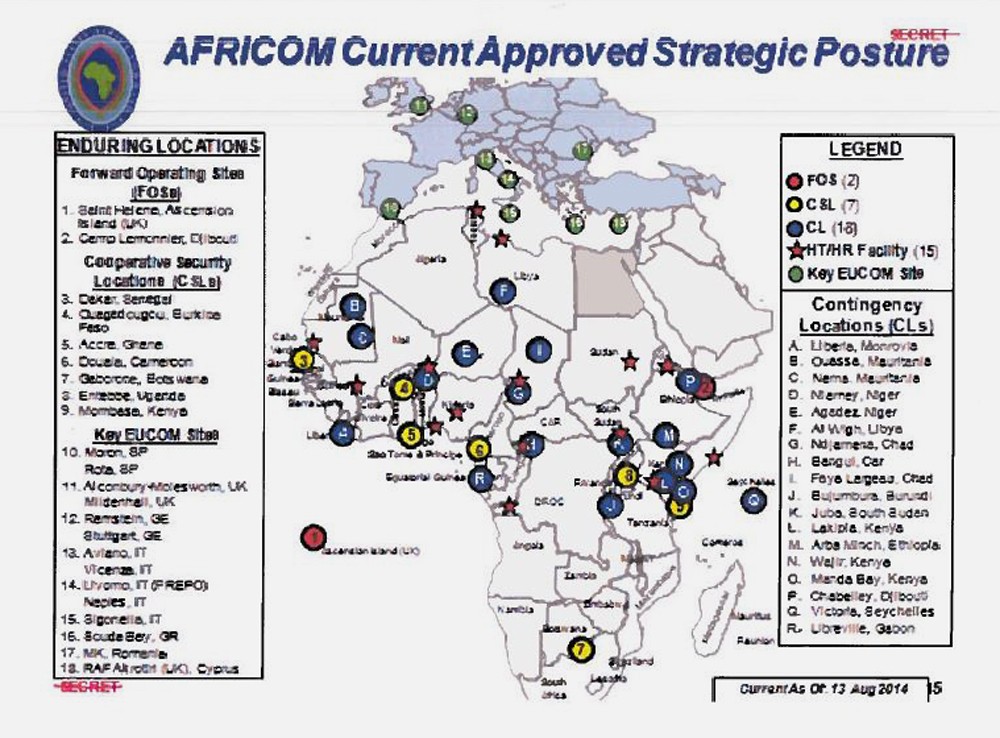
The Trump and Biden administrations have continued AFRICOM, along with a constant supply of US military aid to the Democratic Republic of the Congo. However, the US military aid and the US military presence throughout African has only continued to destabilized the continent, but it has protected the multinational corporate interests to continue to transfer wealth to the US and European countries.
This is the real context for Congolese families, like the family of Patrick Lyoya, to flee the violence and poverty of the Congo and come to the US.
What is particularly sad, and enraging, about this reality, is that Patrick’s family fled the state-sponsored violence happening in the Congo, only to experience first hand the types of state-sponsored violence in the US that has disproportionately impacted Black, Indigenous and other People of Color (BIPOC).
It is important that we acknowledge that state-sponsored violence perpetrated by the US federal government sought to repress the aspirations of the Congolese people seeking freedom in their own country over the past 60 years, while the state-sponsored violence of the City of Grand Rapids/GRPD has taken the life of Patrick Lyoya.
It is also important that we see how these types of state violence are interwoven into a larger context of structural violence. Once we understand how these systems of oppression are interconnected, we can then organize to resist US Imperialism and Defund the GRPD.
 Grand Rapids Institute for Information Democracy