Lessons on the history of US Immigration Policy #6: White Supremacy has always driven US Immigration Policy
 So far in this series on lessons on the history of US Immigration Policy, I have looked at the question – Is the US a Nation of Immigrants in Part I; how anti-immigration policies in the US are bipartisan in Part II; the dominant narrative around how we talk about immigrants in Part III; and an investigation into the root causes of people migrating to the US, especially those coming from Latin America, in Part IV. In Part V, I looked at false narratives about immigrants and the importance of creating counter-narrative.
In today’s post, I want to talk about how US immigration policy has historically been grounded in a white supremacy framework. Since the first immigration policies were adopted at the end of the 1700s, like the Naturalization Act of 1795. The Naturalization Law of 1802 repealed and replaced the Naturalization Act of 1798, but kept the “free white person” requirement remained.
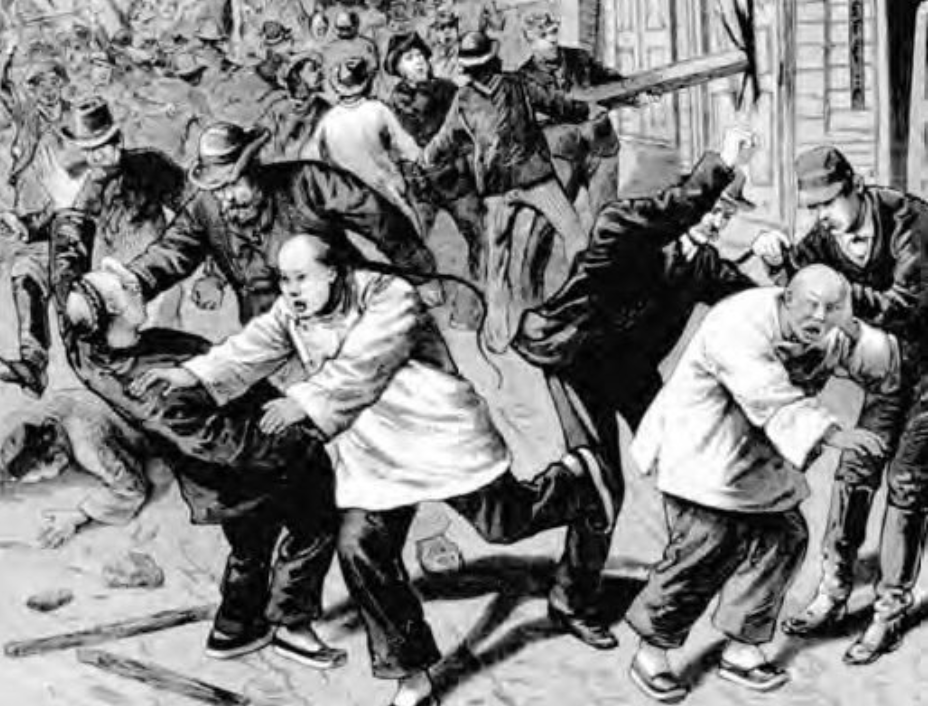 However, we first began to see the over racist nature of US Immigration policy in the later part of the 19th Century, with the passage of the Page Act in 1875. The Federal Government argument is that they didn’t want Chinese women to become prostitutes. Real reason is that they barred Chinese women so that male Chinese workers who came to work on the railroad, didn’t start families in the US.
The US government continued the anti-Chinese policy with the notorious Chinese Exclusion Act in 1882, barring Chinese laborers for 10 years and establishing grounds for deportation of any Chinese person found unlawfully in the US. Anti-Chinese immigration laws created a political climate that normalized vicious anti-Chinese sentiment. According to the book, The Deportation Machine: America’s Long History of Expelling Immigrants, between 1885 and 1886, at least 168 communities carried out Chinese expulsion and self-deportation campaigns. These campaigns resulted in the destruction of Chinese businesses, homes and several massacres.
White labor groups were even involved in the anti-Chinese campaigns, particularly on the west coast. In fact, according to an article from the Grand Rapids Evening Leader, dated December 24, 1885, a labor group was asking people to come to California to help “round up” Chinese people, which you can see in this post in that Grand Rapids newspaper in 1885.
During the Great Depression, millions of Mexican living in the US were forced to leave because of the growing anti-Mexican sentiment, coupled with the economic hardship. This is what some historians refer to as “coerced repatriation.”
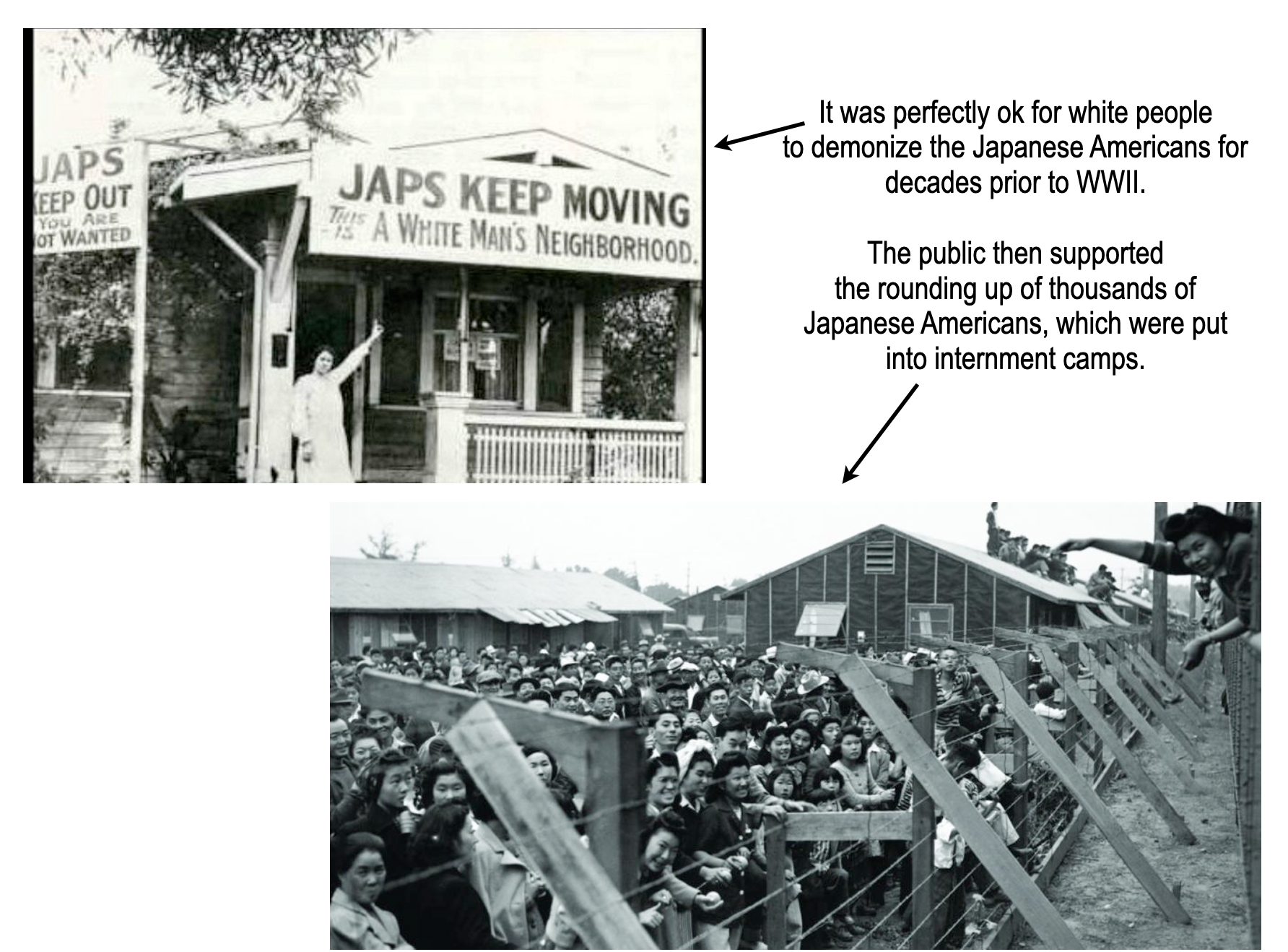
During WWII, there were thousands of Japanese Americans put into internment camps, even though many white communities were discriminating against the for years prior to the war. In fact, the US would not allow thousands of Jewish people who were fleeing Nazi Germany to come to the US, something that David Wyman documents well in his book, The Abandonment of the Jews.

In the post-Cold War era, the xenophobic nature of US immigration policy has disproportionately been reflected in the treatment of Mexican, Haitian and Central America immigrants.
I would recommend for people wanting to explore the racialized nature of US Immigration policy to read America for Americans: A History of Xenophobia in the United States, by Erika Lee and American Intolerance: Our Dark History of Demonizing Immigrants, by Robert Bartholomew & Anja Reumschussel.
 Grand Rapids Institute for Information Democracy
Trackbacks
Comments are closed.