From Columbus Day to Indigenous People’s Day: Why white people need to learn about Settler Colonialism in the past and the present
In know that many people celebrated Indigenous People’s Day on Monday, October 9th. This was partly due to the federal government’s previous designation of Columbus Day on the Monday before October 12.
Now that we are doing away with celebrating Columbus, who personifies genocide and settler colonialism in what is now called the Americas, we can embrace and celebrate Indigenous People’s Day.

However, acknowledging Indigenous people for one day is ridiculous, since the harm done to Indigenous people in the Western hemisphere alone is so vast that it is difficult to quantify. Europeans and Euro-Americans have slaughtered millions of Indigenous people since Columbus got lost in 1492, along with the theft of the majority of their lands, the attempted suppression of their languages and culture, forcibly removing Indigenous children from their communities and placing them in so-called boarding schools, and in more recent decades extracting fossil fuels and minerals from their sacred lands to fuel the system of Capitalism.
In an excellent article I read recently, entitled, Dismantling Columbus’s Legacy Requires More Than Changing a Holiday’s Name, the author writes:
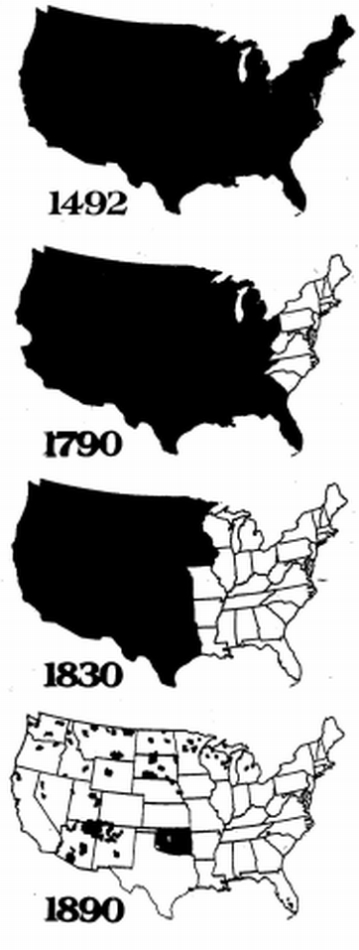 Colonialism is a structure, not an event. Dismantling that structure and creating different relationships with each other requires material actions because abolition and decolonization are not metaphors. When we say we need to end what Columbus stands for, we mean it. But there is a deep resistance in environmental and climate activist circles to embrace even the most basic action that would dismantle the logic of Columbus, which is to support Indigenous refusal of the extraction and desecration of sacred sites, waters and homelands. Instead, there are calls for “consultation” without the right to refuse and prevent development projects. Environmental activists proclaim, “leave fossil fuels in the ground” while also promoting false greenwashing technologies such as electric vehicles that require destroying sacred sites with polluting mining, supporting a new gold rush with the same structures of genocide.
If we are to take these words to heart (which we should), then we need to do a great deal of unlearning and learning at the same time. We have to unlearn what we think we know about the past 500 years of Settler Colonialism, learn the truth about what the US was founded on, and how US policy continues to do tremendous harm to Indigenous people right up until the present. In order to do so, we need to learn directly from Indigenous people themselves, so I am going to include a variety of sources that we all need to look at in order to come to terms with this history in order to move forward and work towards be an accomplice with Indigenous people right now.

The above working definition of Settler Colonialism comes from Indigenous scholar Roxanne Dunbar-Ortiz. Some resources I would suggest on the history of Settler Colonialism are:
The Canary Effect: Kill the Indian, Save the Man. This documentary film was produced in 2006 and provides an excellent introduction to Settler Colonialism and its last impact on Indigenous people. You can watch the film online here.
Books
- The Rediscovery of America: Native Peoples and the Unmaking of US History, by Ned Blackhawk.
- A Little Matter of Genocide: Holocaust Denial in the Americas 1492 to the Present, by Ward Churchill.
- An Indigenous People’s History of the United States, by Roxanne Dunbar-Ortiz
- Unsettling Truths: The Ongoing Dehumanizing Legacy of the Doctrine of Discovery, by Mark Charles and Soong-Chan Rah
- Not “A Nation of Immigrants”: Settler Colonialism, White Supremacy, and A History of Erasure and Exclusion, by Roxanne Dunbar-Ortiz
Last year, the U.S. Department of the Interior (DOI) released its historic Federal Indian Boarding School Initiative Investigative Report, which serves as a formal investigation into federal Indian boarding school policy. The report identified 408 federally-run Indian boarding schools. Also, read War Churchill’s book, Kill the Indian, Save the Man: The genocidal Impact of American Indian Residential Schools.
In the 1970s, the US Federal Government, including the FBI, sought to suppress the American Indian Movement, particularly through the program known as COINTELPRO, which counter-intelligence program to eliminate and destabilize domestic threats to systems of power in the US. Read the book, The Cointelpro Papers: Documents from the FBI’s Secret Wars Against Domestic Dissent, and watch the documentary film entitled, COINTELPRO 101, which you can watch here. Another excellent documentary film on this topic is Incident at Oglala, which centers on the Federal Governments suppression of AIM activists at the Pine Ridge Reservation and the case of Leonard Peltier. You can watch that documentary here.
This brings us to more contemporary matters, such as the massive efforts of fossil fuel companies working with state and federal agencies to extract resources from Indigenous lands and how Indigenous communities are resisting the extraction of resources from Native communities. Here are some excellent books that investigate this topic:
- The Militarization of Indian Country, by Winona LaDuke
- Our History is the Future: Standing Rock versus the Dakota Access Pipeline, and the Long Tradition of Indigenous Resistance, by Nick Estes
- To Be A Water Protector: The Rise of the Wiindigoo Slayers, by Winona LaDuke
- Standing With Standing Rock: Voices From the #NODAPL Movement, edited by Nick Estes and Jaskiran Dhillion
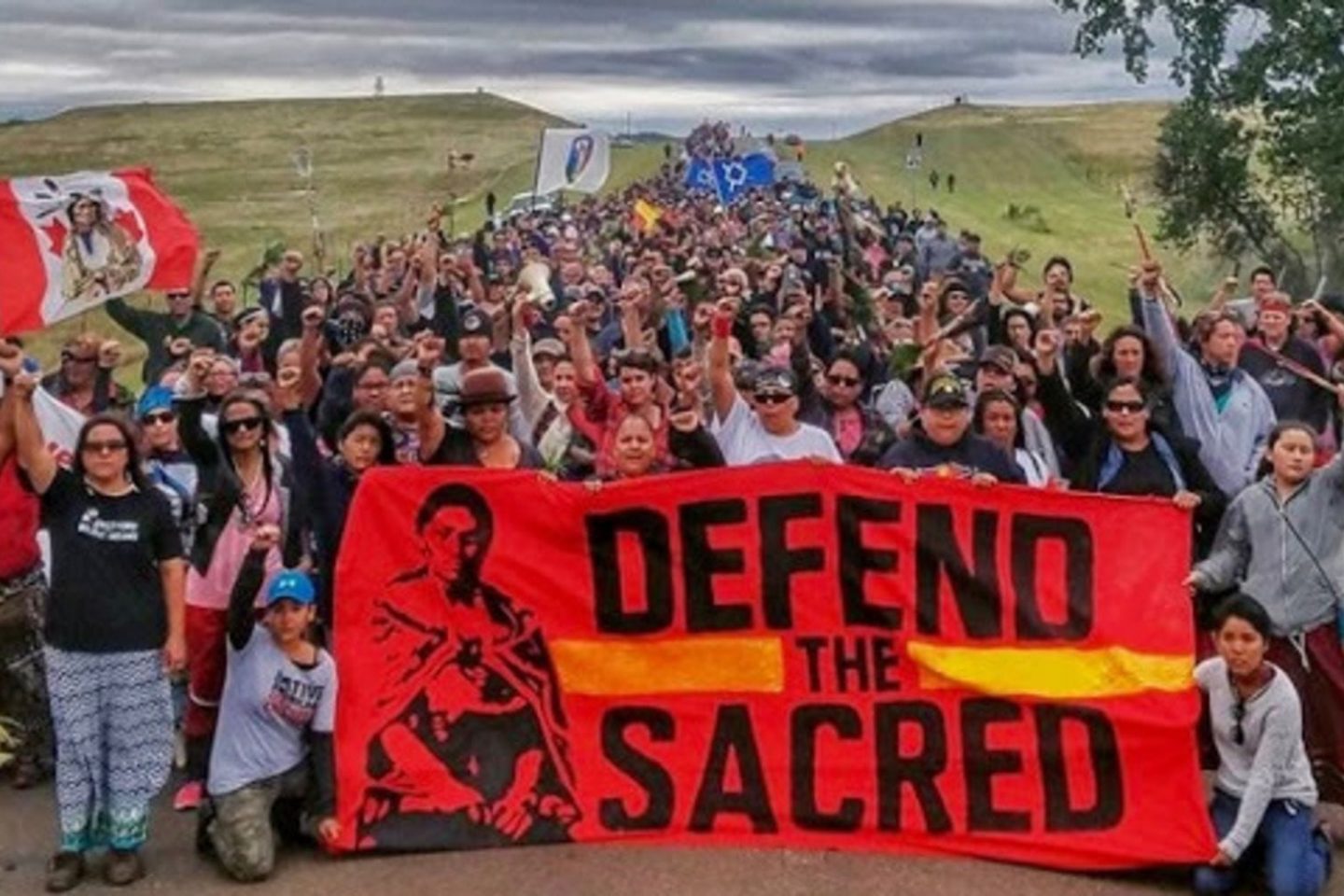
It is worth noting that the resistance to the extraction of resources on Indigenous land is ongoing and that the Indigenous Resistance has been deeply impactful. According to a report put out by the Indigenous Environmental Network in 2021, Indigenous-led resistance campaigns against pipelines in the US and Canada have reduced greenhouse gas pollution by at least 25% annually since these campaigns began.
For more analysis of how Indigenous people are leading the fight for Climate Justice, check out the online resources at the Indigenous Environmental Network, along with the book, The Red Deal: Indigenous Action to Save Our Earth, published by The Red Nation.
Lastly, for white people, if you really want to be part of the contemporary Indigenous struggles, then I would encourage you to read this excellent zine entitled, Accomplices Not Allies: Abolishing the Ally Industrial Complex.
 Grand Rapids Institute for Information Democracy
Comments are closed.