The Assassination of Dr. King – April 4, 1968
“Martin Luther King is the most notorious liar in the country.” FBI Director J. Edgar Hoover
It was 42 years ago today that Dr. Martin Luther King Jr. was assassinated while in Memphis, Tennessee in support of sanitation workers who were on strike. King gave his last speech, entitled I’ve Been to the Mountaintop, where he talked about knowing that his days were numbered.
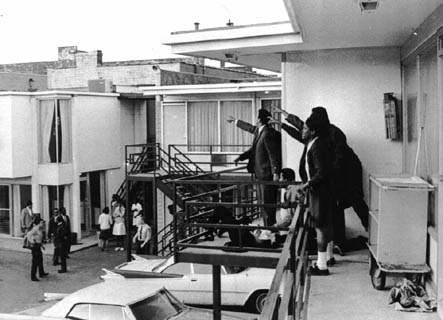
Despite the US government’s decision to give Dr. King a holiday, the US government during King’s life despised the Baptist preacher. FBI Director J. Edgar Hoover even referred to King as “the most dangerous Negro in America.”
The FBI and other US government agencies had been monitoring King’s activities for more than a decade before his assassination, wiretapping his phone and engaging in all kinds of character assassination through an extensive propaganda campaign. For details on the FBI campaign directed at Dr. King, see The COINTELPRO Papers: Documents from the FBI’s Secret Wars Against Dissent in the United States.
King was shot to death while standing on the balcony of the Lorraine Motel in the early evening of April 4. Authorities arrested and charged James Earl Ray with pulling the trigger, but for years more and more information has surfaced to suggest that Ray was not the triggerman.
Declassified documents show that local law enforcement, the National Guard and the FBI all had a hand in the assassination of King. While there is no hard evidence that any of these government agencies actually shot King, but they clearly played a role in making it happen. The best book on this issue is by William Pepper entitled, An Act of State: The Execution of Martin Luther King.
The “official” narrative that a lone racist named James Earl Ray killed King makes it easier for those in power, because it takes the focus off of what the State did to repress the movement that King was part of. However, if one reads this history of declassified documents and independent investigation it is clear that King and the larger freedom movement that he was part of was a significant threat to the political and economic power structures of the day.

