GRIID Class on US Foreign Policy since WWII – Week #4
In week #1 I provided some foundational documents and a framework for how to look at no what country the US is engaged in. I also used the framework document to assess the history of Iraq, particularly the US relationship with that country.
For week #2 we focused on US government efforts, primarily through the CIA to undermine the elections in Italy 1947-48, and to orchestrate coups in Iran in 1953 and Guatemala in 1954.
For week #3 we continued to used William Blum’s book, Killing Hope: US Military and CIA Interventions since WWII. The three countries we focused on were the Congo, Indonesia, and Chile during the 1960s. This week we discussed how the US undermined Angola, Libya and Nicaragua in the 1970s and 80s.
Angola 1975 – 1980s
Version 1.0.0
Blum begins this chapter by writing:
It is spring 1975. Saigon has just fallen. The last of the Americans are fleeing for their lives. Fallout from Watergate hangs heavy in the air in the United States. The Pike Committee of the House of Representatives is investigating CIA foreign covert activities. On the Senate side, the Church Committee is doing the same. And the Rockefeller Commission has set about investigating the Agency’s domestic activities. The morning papers bring fresh revelations about CIA and FBI misdeeds.
This is an important context for what the CIA was doing in Angola, specifically around their relationships with various factions fighting for independence from Portugal. Ultimately, the US sided with UNITA, which was led by Jonas Savimbi. Savimbi was willing at one point to negotiate with other Angolan factions, but Kissinger personally promised UNITA continued support if they maintained their resistance, knowing full well that there was no more support to give. Savimibi eventually became a powerful rogue player, receiving weapons from the US and killing many of his fellow Angolans.
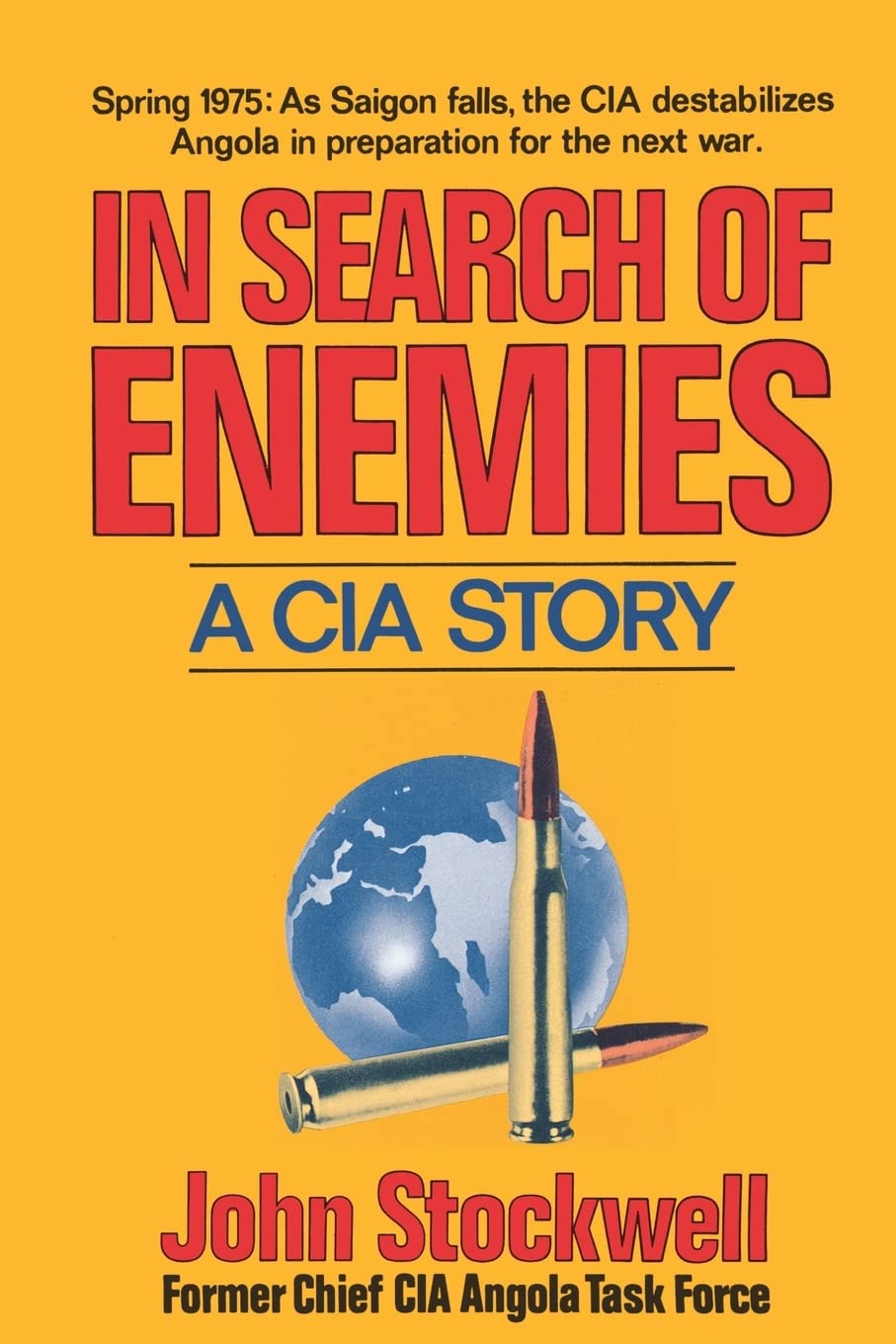
Interestingly, Cuba got involved with supporting other factions, as they had done in various African nations, which you can read about in Piero Gleijeses excellent book, Conflicting Missions: Havana, Washington, and Africa, 1959-1976. A second important book is, In Search of Enemies: A CIA Story, by John Stockwell, who was the CIA station chief for Angola who left the agencies in the early 1980s and published this book to expose the CIA and it’s role in the larger US imperialist plan.
Libya 1981 – 1989
We began our discussion of Libya by talking about the fact that they were a colony of Italy for several decade until 1943. Because Italy was losing WWII, they could no longer maintain control of Libya, which led to their eventual independence.
This section from Blum’s book focused more on Libya during the Reagan years, since Libya became a major target of the US. The US consistently referred to Libya under Qaddafi as a terrorist state, even though most of the claims by the Reagan administration were false, and in some cases the terrorist acts were being committed by groups that the US was supporting at the time.
The US major media outlets perpetuated the misinformation about Libya, which worked to get US public opinion to support any actions against Libya by the Reagan Administration.
Years later during the Arab Spring, Qaddafi became even more marginalized as a leader and the US initiated a bombing campaign (with NATO support), which killed thousands of Libyans and eventually Qaddafi himself. This bombing campaign happened under the Obama Administration, which you can read about in more detail here.
Nicaragua 1979 – 1990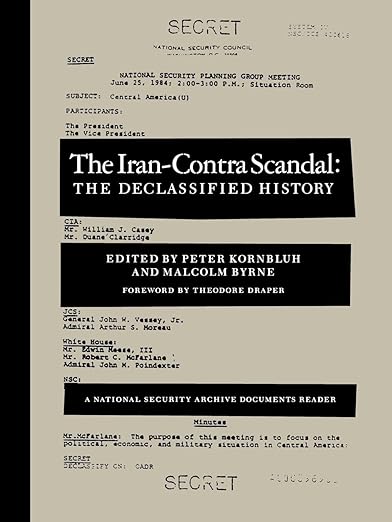
In the third example from week #4, we discussed the US and Nicaragua. The US military had intervened in Nicaragua more than a dozen times in the early part of the 20th Century, until they finally installed a US-friendly dictatorship run by the Somozan family.
The Sandinistas began a rebellion after a 1975 earthquake that devastated the Central American country, but despite all the international aid, the Somoza family kept the majority of those funds and took it with them when they fled to Miami during the 1979 revolution.
The international human rights/food aid organization OxFam said of the US efforts to undermine the Sandinista government was because, “Nicaragua was becoming a threat of a good example.”
The US began arming and training former national guardsmen from the Somoza dictatorship (known as the Contras) primarily in Honduras, where they engaged in a terrorist counter-insurgency war for the better part of a 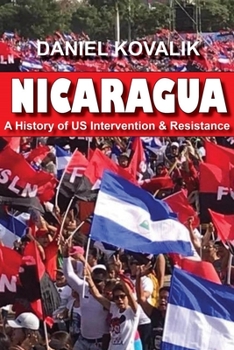 decade. Even after the US Congress made it illegal to fund the Contras, the US government began finding ways to fund them weapons negotiations with Iran and making money from trafficking in Cocaine. This led to the Iran/Contra scandal, which was one of the few times that CIA activity came under scrutiny during prime time national TV coverage. See the book, The Iran-Contra Scandal: The Declassified History, published through the National Security Archives.
The US also imposed sanctions against the Nicaraguan government, along with mining the main harbor of that country, which was deemed illegal by the UN. The US eventually got Nicaragua to cry uncle in 1990, by threatening to continue funding the Contras unless the opposition party won in the elections that year. An excellent book on this history is Nicaragua: A History of Us Intervention & Resistance, by Dan Kovalik.
 Grand Rapids Institute for Information Democracy
Trackbacks
Comments are closed.