Why are white people so pissed off about ICE now? On why we need to come to terms with US history and learn from BIPOC communities
There is an overwhelming amount of chatter on social media over the ICE infiltration of Minneapolis and the recent ICE murders of Renee Good and Alex Pretti.
Of course all of this is understandable, but at the same time much of it can be problematic. Why is it that it took white people getting killed by ICE for people to wake up? Undocumented immigrants have been killed by ICE agents or in ICE detention facilities by the hundreds since ICE was created in 2003?
White people and the politicians they have voted for – both Democrats and Republicans – have been approving billions in funding for ICE since 2003, while undocumented immigrants were being arrested, detained and deported, along with hundreds being killed. You can read about these immigrant deaths by reading reports from Detention Watch Network and the ACLU.
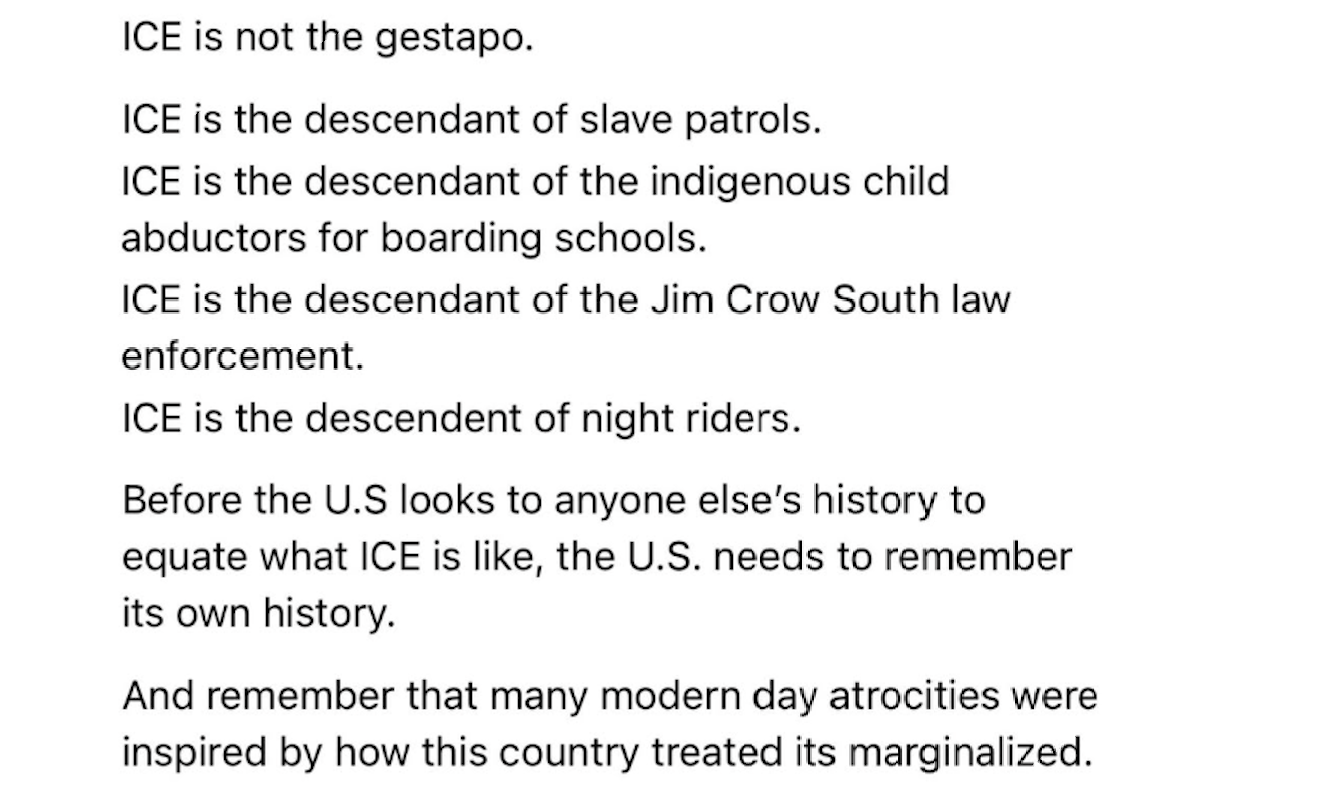
What I want to address today is the response from so many people who say what ICE is doing is not very American, when in fact it is exactly what America has done since this country was founded. I saw this fabulous post from someone on social media in recent days, which is included here above.
The person who posted this is BIPOC and also included the following commentary about the above post.
“This isn’t a conversation about semantics or word choices. This is a conversation about history, about accountability, about ownership. This is who the US is. This is who the US has always been.”
I was so moved by the post and wanted to expand our understanding of US history, by looking more deeply at the examples included in the statement above.
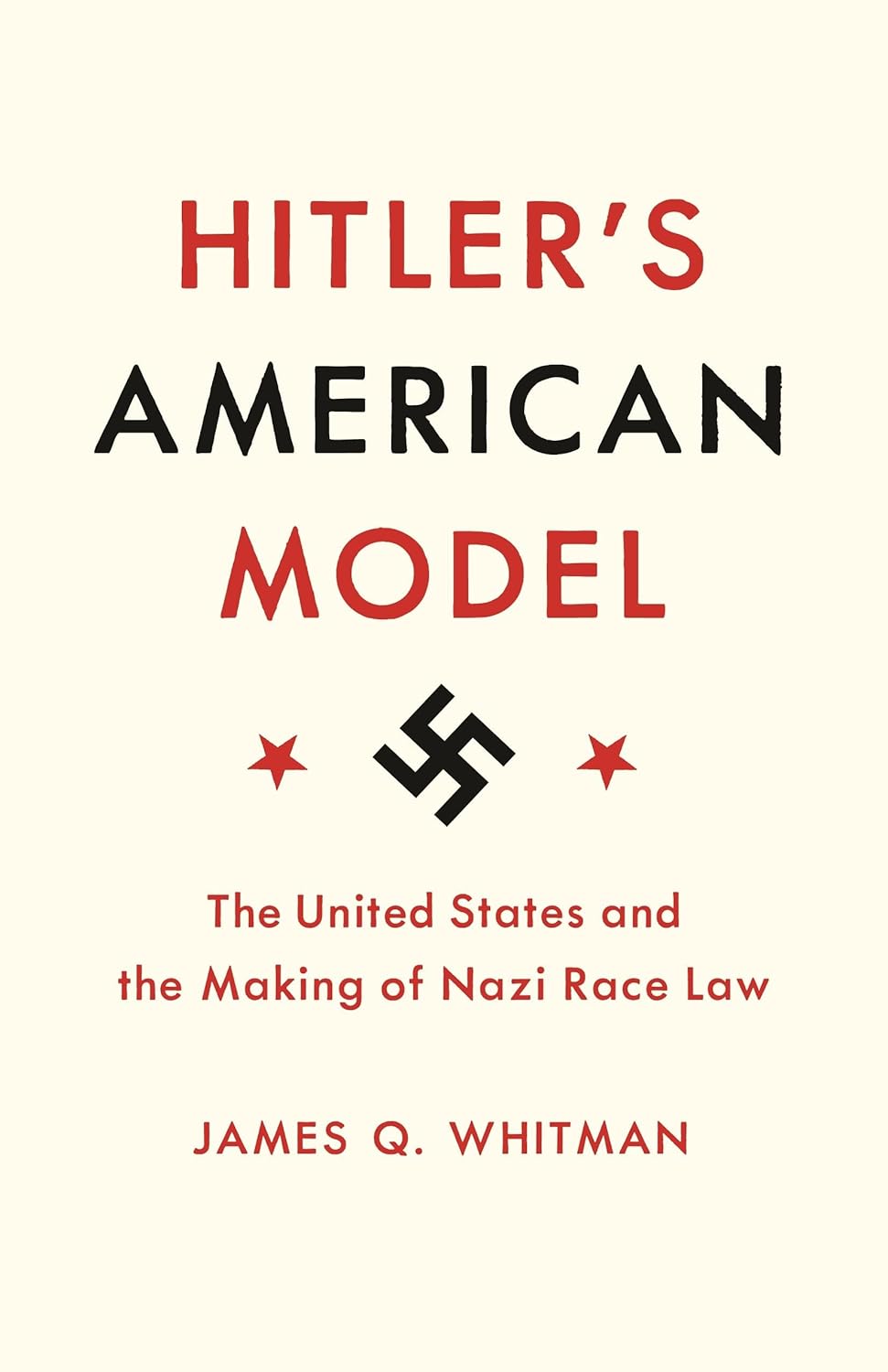 ICE is not the gestapo – If you read Hitler’s American Model: The United States and the Making of Nazi Race Law, by James Whitman, you will find out that the Nazi regime learned directly from what the power structure in the US was doing to BIPOC communities in the US. In Hitler’s American Model, the author says that a great deal of the policies that the Nazi Party adopted that not only vilified Jewish people, but also demonized Roma, the queer community, immigrants and non-Aryan people, were based in large part on what they learned from policies in the US. Whitman states:
The 1920 Party Program called for sharp limits on citizenship, which was to be restricted to persons of “German blood,” along with a scheme of disabilities for resident foreigners, who were to be threatened with expulsion.
When the US adopted the the Naturalization Act of 1790, it opened naturalization to “any alien, being a free white person.” The Nazi Party learned from this as well as US immigration laws that were adopted in 1921 (Emergency Quota Act – which limited the amount of immigrants into the US) and 1924 (The Immigration Act of 1924), which prevented immigration from Asia and put limitations on immigrants from Eastern and Southern Europe. The Nazi Party were paying attention to both of those US immigration policies and and wove them into their own citizenship law that emerged in 1935.
 Whitman’s book relies heavily on Nazi Party internal documents, which included comments from Nazi strategists who said they thought that, “the US was too extreme in some of their laws.”
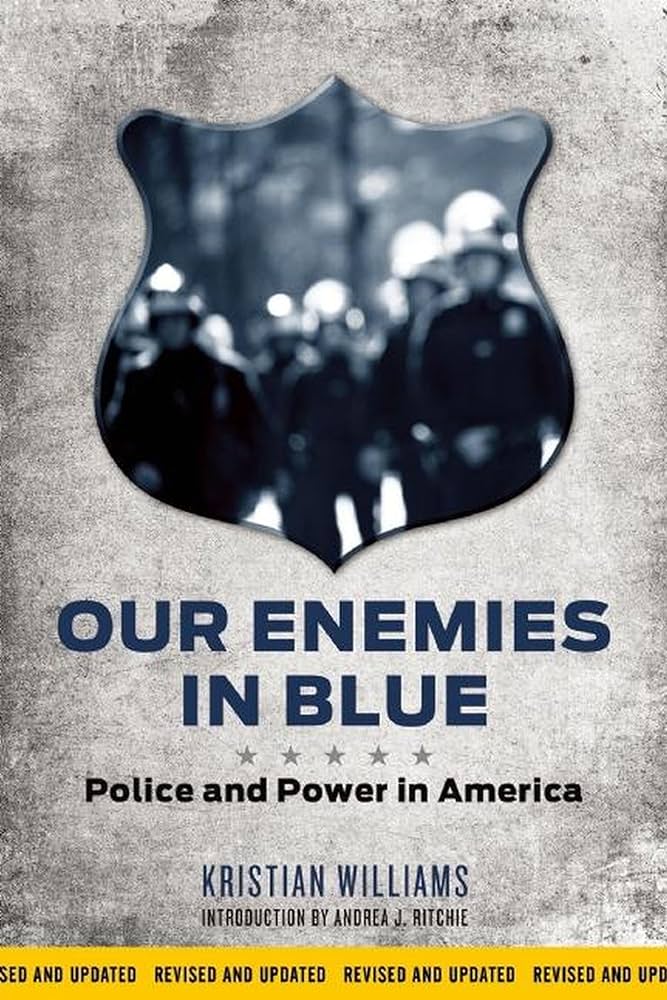
ICE is the descendant of slave patrols – Slave patrols were a legalized mechanism developed in the south to police Black people who were enslaved whenever they fled slave plantations. Throughout South Carolina, town after town asked the state legislature to transfer control of the slave patrols from the county courts or state militia to the local government. Camden won that power in 1818. Columbia followed in 1823. Georgetown requested it in 1810, but was not allowed it until 1829. Ten years later, the legislature granted all incorporated South Carolina towns the power to regulate patrol duty. According to Kristian Williams book, Our Enemies in Blue: Police and Power in America, modern day policing grew out of the slave patrols system.
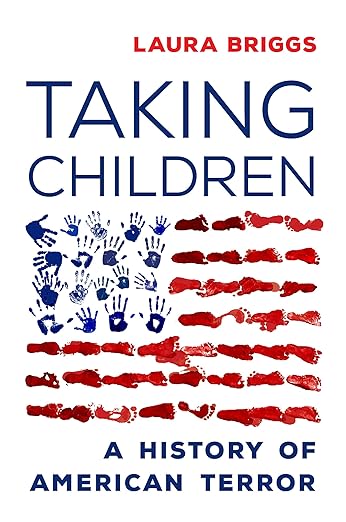 ICE is the descendant of the indigenous child abductors for boarding schools – The US was founded on Settler Colonialism, where Indigenous people were killed and dispossessed from their land. In addition, Indigenous children became the target of abductions in order to place them into what are euphemistically referred to as boarding schools. US Captain Richard Henry Pratt delivered a speech in 1892, where he famously said, “Kill the Indian in him, and save the man.” The ideas expressed in Pratt’s speech are central to the development of the Carlisle Indian School (founded 1879) and other boarding schools across the country, which aimed to “civilize” and “Americanize” the Indian. See the book, Taking Children: A History of American Terror, by Laura Briggs, along with Kill the Indian, Save the Man, by Ward Churchill.
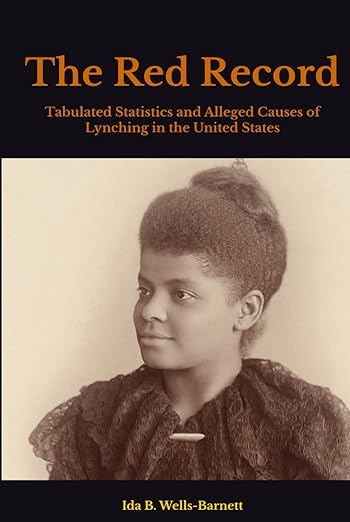 ICE is the descendant of the Jim Crow South law enforcement – The policing of Black people during the time of Jim Crow led to the early stages of mass incarceration, along with the hideous reality of lynchings that took place throughout the country. See Adolph Reed Jr.’s book, The South: Jim Crow and Its Afterlives, along with the incredible book by Ida B.
  Wells on lynching, The Red Record.
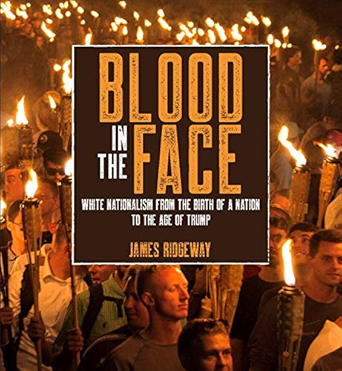
ICE is the descendent of night riders – Night riders is a term used to describe groups of white US citizens who didn’t want to allow Black people to achieve any form of justice and equality. Most people are familiar with the KKK, but there were also groups known as the Red Shirts and the White League, which was paramilitary organization that acted as a military arm of the Democratic Party. Of course, these were early iterations of night rider groups, which still exist through the country. See James Ridgeway’s book, Blood in the Face: White Nationalism from the Birth of a Nation to the Age of Trump, and Leonard Zeskind’s book, Blood and Politics: The History of The White Nationalist Movement from the Margins to the Mainstream.
Of course there are a great deal more examples, but to re-emphasize the final points of the graphic above, we all need to learn from and listen to BIPOC voices and lived experiences.
Before the U.S looks to anyone else’s history to equate what ICE is like, the U.S. needs to remember its own history. And remember that many modern day atrocities were inspired by how this country treated its marginalized.
 Grand Rapids Institute for Information Democracy
Comments are closed.