GRIID Class on US Foreign Policy since WWII – Week #2
In week #1, I provided some foundational documents and a framework for how to look at no what country the US is engaged in. I also used the framework document to assess the history of Iraq, particularly the US relationship with that country.
For week #2 we began using William Blum’s book, Killing Hope: US Military and CIA Interventions since WWII, using a PDF version of he book. I had participants read chapters 2, 9 and 10, with how the US interfered with the elections in Italy in 1947-48, the CIA coup in Iran in 1953, and the CIA coup in Guatemala in 1954.
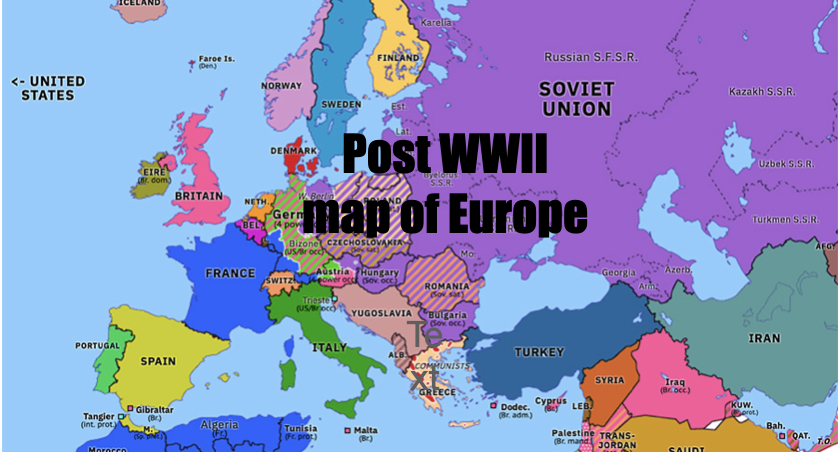
1947-48 Italian Elections
The US embraced a virulent anti-Communist stance after WWII, which played a major role in US foreign policy until the collapse of the Soviet Union decades later. In fact, towards the end of WWII, US troops played a vital role in undermining anti-fascist efforts in Italy. Noam Chomsky notes in his book, Deterring Democracy, US and and British military forces actively removed the socialist, anarchist and communist movements that had defeated the fascists in Europe. Chomsky states that these antifascist forces were often replaced by fascists collaborators they had defeated, “to weaken unions and other popular organizations, and to block the threat of radical democracy and social reform.” The fascist collaborators were more inclined to embrace capitalism and the social order that came with it, which means that the US and British military ended up being complicit with fascism by putting fascist collaborators in charge of cities in France, Italy and Germany.
With Italy there were several political parties like the Popular Democratic Front (PDF) that included those who embraced both socialist and communist beliefs. The US feared that Italy would have a socialist/communist government after the elections, so they invested a great deal of money, propaganda and other tactics to prevent the PDF from winning. Here is a short sample of some of the tactics that the US government used:
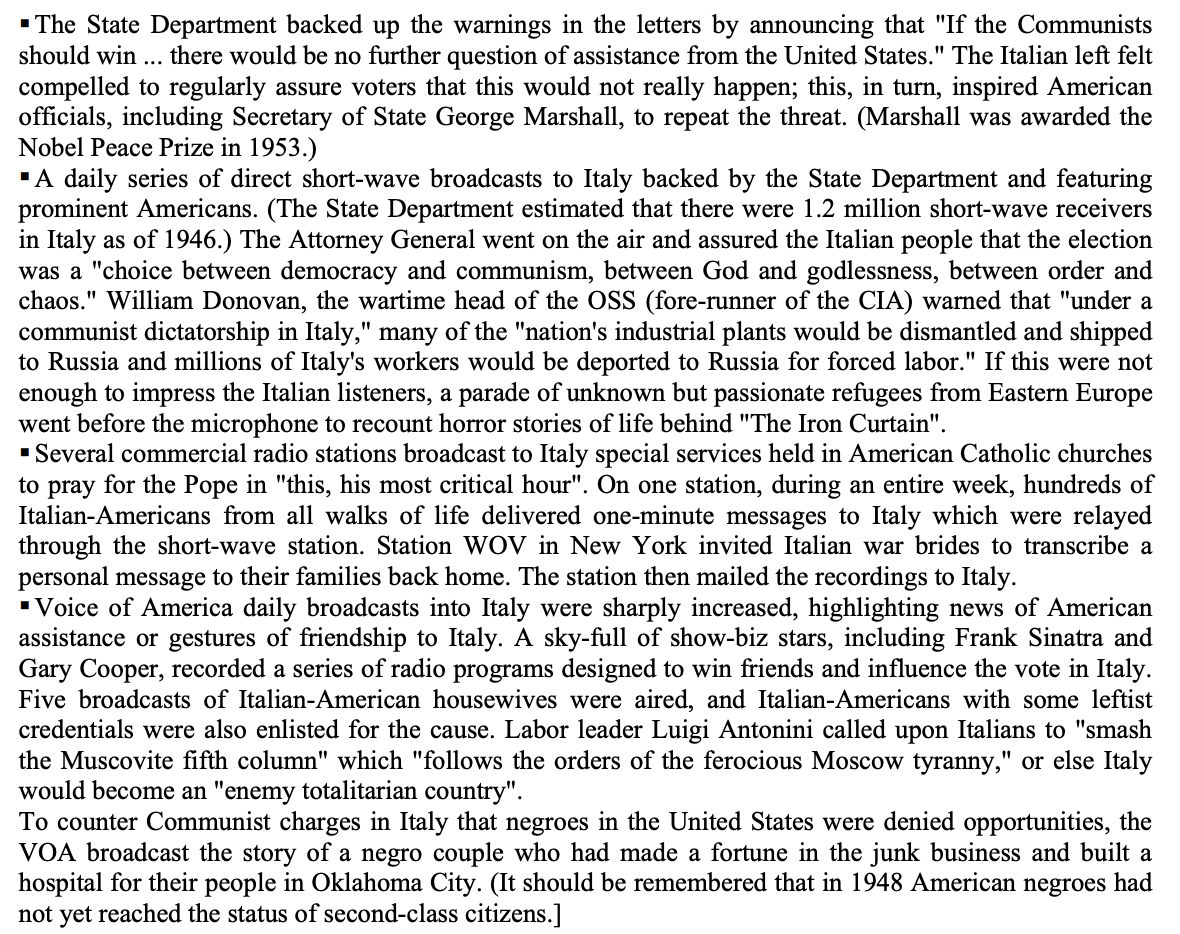
These tactics and many more resulted in the PDF losing the election and the Christian Democrats won, the party that the US was backing.
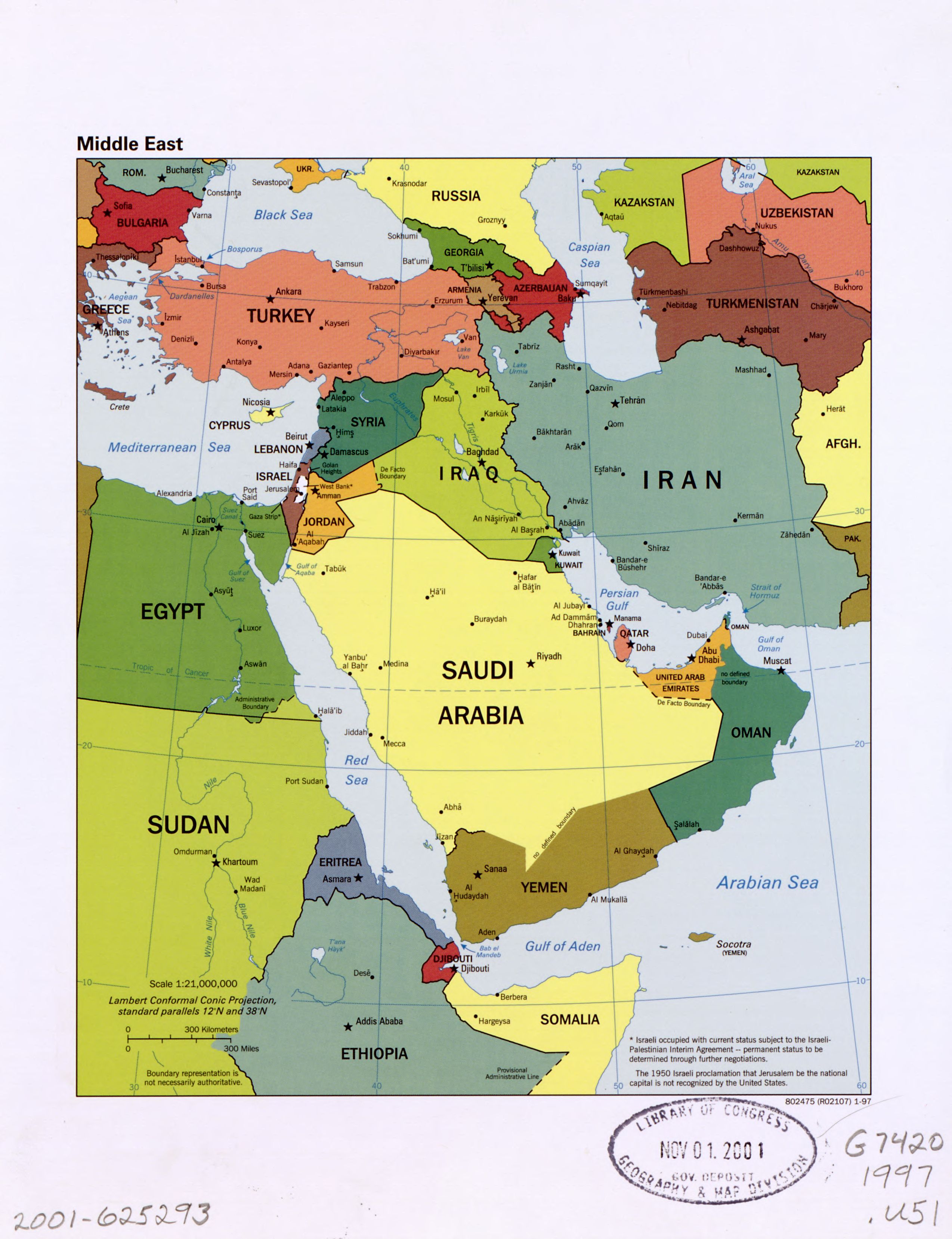
Iran 1953
The Iranian people and the Iranian government as early as 1951 wanted to nationalize the oil that was being pumped from the earth on Iranian land. Such an action was a major no no, since the oil interests (both British and US) were not in favor of allowing Iranians to benefit from domestic oil production.
The British initiated an economic blockade on Iran once they announced that Iranian oil was for Iranians. However, the Iranian government under the leadership of the democratically elected government of Mohammad Mosaddegh was able to weather the economic blockade and continued to use oil production to benefit Iranian society. US strategists working with the CIA began developing a plan to oust the Mosaddegh government and put in his place the Shah, who would dismantle the law that said Iranian oil for Iranians.
In the summer of 1953, the CIA initiated a coup and then installed The Shah of Iran who became an important ally of the US in the Middle East until 1979. During the Shah’s reign he suppressed dissent, was very anti-Islam and created his own secret police known as SAVAK. According to Blum:
“The notorious Iranian secret police, SAVAK, created under the guidance of the CIA and Israel, spread its tentacles all over the world to punish Iranian dissidents. According to a former CIA analyst on Iran, SAVAK was instructed in torture techniques by the Agency. Amnesty International summed up the situation in 1976 by noting that Iran had the “highest rate of death penalties in the world, no valid system of civilian courts and a history of torture which is beyond belief. No country in the world has a worse record in human rights than Iran.”
The brutality of the Shah of Iran is what eventually led to the Iranian revolution in 1979, which was led by Islamic clerics who had nothing but contempt for the US, primarily because of the decades long US support of the Shah.
For more insights into the history of US/Iranian relations check out the US government declassified documents put together by the National Security Archives. https://nsarchive.gwu.edu/project/iran-us-relations
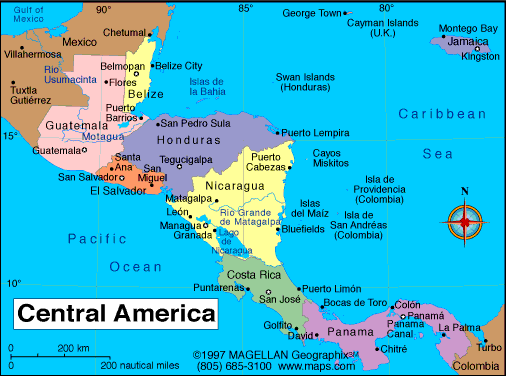
Guatemala 1954
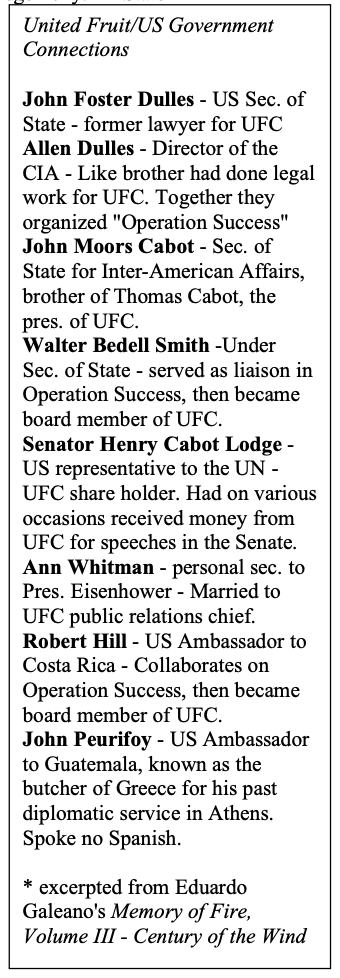 The third example we looked at for week #2 was the Central American country of Guatemala. Guatemala was historically one of the “banana republics” of Central America. The United Fruit Company had tremendous control in Guatemala that it was nicknamed El Pulpos – The Octopus, because they had their tentacles in everything.
However, with the elections of 1944 Guatemala was becoming more democratic, with the victory of Arevalo, ushering in what Guatemalans call Los dies anos de la Primavera – The ten years of Spring. A former military man, Jacobo Arbenz was elected in 1951 and sought to continue the reforms that began in 1944. Land reform was a major issue and the Guatemalan government appropriated land that the United Fruit Company was not using and paid them the same value the company had listed for tax purposes.
However, the United Fruit Company was not going to let the Guatemalan government to use land for the betterment of its own people. There were numerous people in the Eisenhower Administration that had a long history with the United Fruit Company, so they devised a plan to use the CIA to overthrow the government and did so in the summer of 1954. The CIA installed a Colonel named Castillio Armas that was willing to be a puppet for the US government and US interests.
After the 1954 CIA coup, the Guatemalan military ran the country with one dictator after another until there was eventually peace accords signed in 1995. However, to this day the 60% majority Mayan population still suffers from poverty and racism, with US interests still being a driving factor, especially after Guatemala signed on to the Central American Free Trade Agreement (CAFTA) in 2005.
For more on the CIA coup in Guatemala and the consequences of that coup check out the declassified US government documents from the National Security Archives. https://nsarchive.gwu.edu/project/guatemala-project
 Grand Rapids Institute for Information Democracy
Trackbacks
Comments are closed.