GRIID end of the year in review: Part IV – Documenting the radical history of Grand Rapids
In Part I of the GRIID end of the year review I looked at my efforts to monitor the local news in 2025, particularly around critical issues like immigration, policing and the Schurr trial. In Part II I wrote about the work of monitoring the Grand Rapids Power Structure. In Part III I looked at the social movement work of Movimiento Cosecha and GR Rapid Response to ICE. Today I want to share a summary of all the stories I posted about the radical history of Grand Rapids.
I posted 20 separate stories regarding the rich history of radical action in service of social justice in Grand Rapids. Eight of those posts were specific to a collaborative efforts I started earlier in the year with Fountain Street Church, specifically to highlight some of the Great Lecture Series speakers they have hosted over the past century. I have posted talks by Kwame Ture/Stokely Carmichael, James Meredith, Dick Gregory, Amy Goodman, bell hooks, Jane Fonda, Jonathan Kozol and Norman Thomas, all of whom spoke at Fountain Street Church.
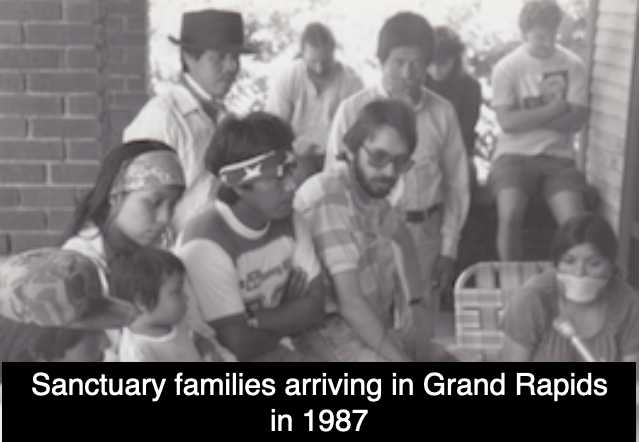
There were several radical GR history posts that centered on immigration justice and sanctuary work, including the following:
19th anniversary for the largest immigrant justice march in Grand Rapids
I also did two posts that focused on the contributions to radical change in Grand Rapids by two women, Voltairine De Cleyre and Viva Flaherty.
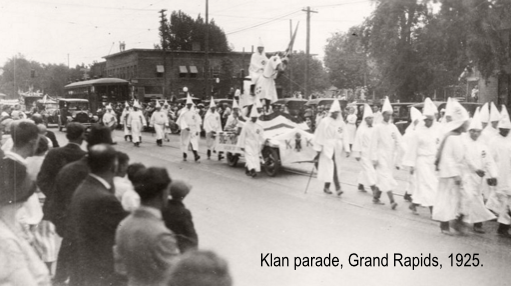
Then there were two posts that talked about white supremacists and imperialists coming to Grand Rapids. One post was about the 1925 KKK march that took place in Grand Rapids and was given a police escort on the 4th of July. The second example was a recounting of the numerous visits that Dick Cheney had made to Grand Rapids while he was Vice President in the George W. Bush cabinet. This post centered on how there was organized resistance every time Cheney came to town.
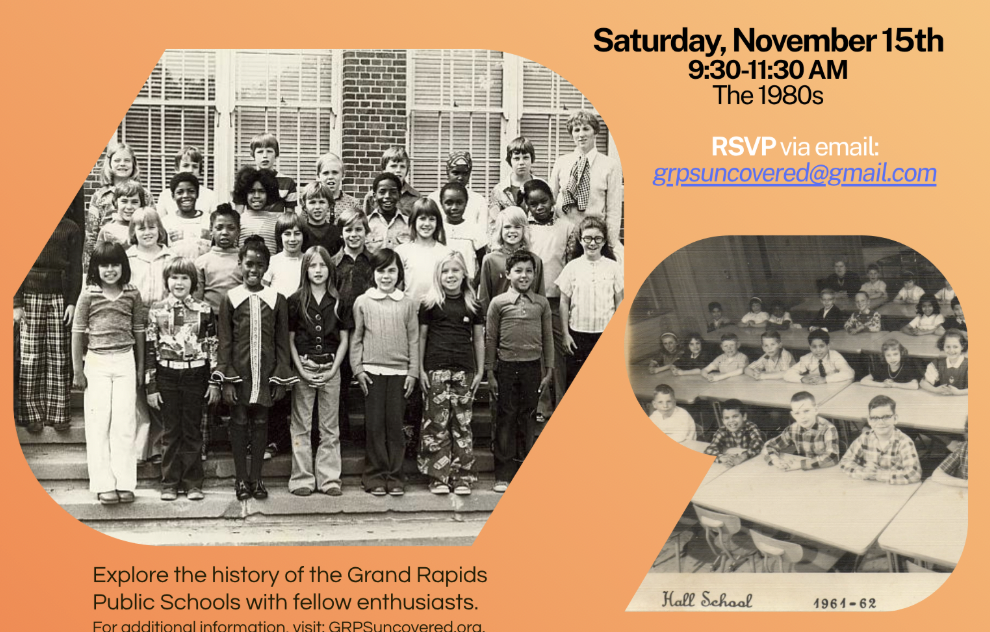
I also posted two stories about the Community Historians Workshops that began in September. These workshops are a project led by GVSU professor Leanne Kang who has been doing interviews with people who attended the Grand Rapids Public Schools since the 1960s. The second post was done after the workshop in November.
I also did a stand alone post on the City of Grand Rapids celebrating the 175th anniversary of its founding. In that post I wrote:
 As a foundational framework, it is vital that we come to terms with the fact that Grand Rapids, like virtually all US cities were founded on what Native scholar Roxanne Dunbar Ortiz calls Settler Colonialism. Settler Colonialism in West Michigan is the result of a larger White Supremacist strategy that included legal means (treaties), forced relocation, spiritual violence (role of churches) and cultural imperialism, most radically seen with the policy of putting Native children in boarding schools with the goal of, “Killing the Indian, Saving the Man.”
I end that article by saying:
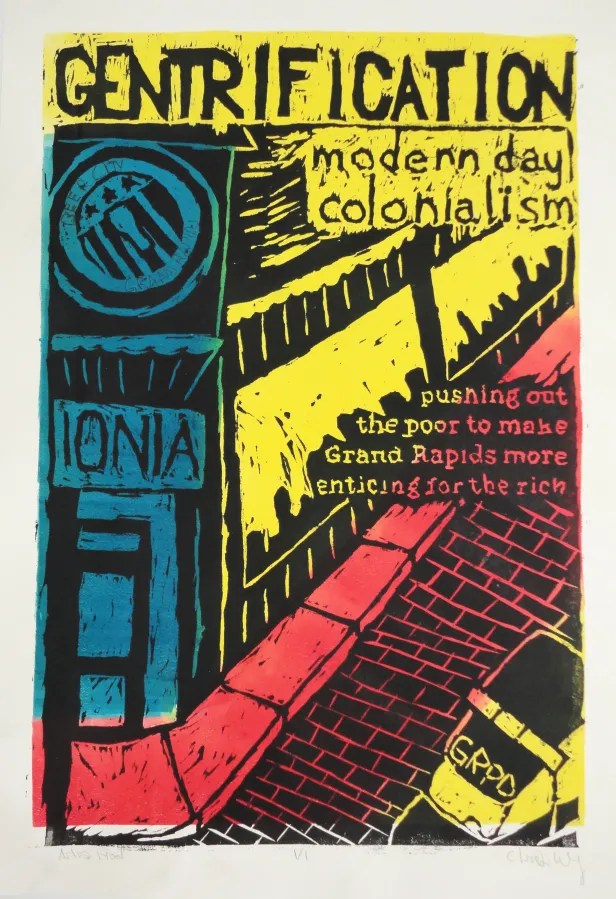
Grand Rapids is nothing more than a playground for the rich and powerful, which get whatever they want. Grand Rapids is a deeply racist city, which practices gentrification, housing injustice, and gives the GRPD carte blanc to suppress and repress any effort to demand justice. Grand Rapids is more committed to expanding capitalism and maintaining business as usual, than it is to centering the most marginalized and practicing justice. This is the legacy of not coming to terms with Settler Colonialism.
I believe it is vitally important that we all learn from the insurgent radical history of Grand Rapids, a history which is rarely taught and too often marginalized by the history of great white businessmen. For a deeper look at radical Grand Rapids history, go to my Grand Rapids People’s History Project site and read my book, A People’s History of Grand Rapids.
 Grand Rapids Institute for Information Democracy
Comments are closed.