50 years ago today Gerald Ford was sworn in as President: The unsanitized version of Ford’s Presidency
(This post is one of the 40 chapters in my new book, Radical Grand Rapids, which will be available in September.)
Probably the biggest reference being made about former President Ford when he died in December of 2006, was that he “healed the nation.” Not surprising, this is the title of his memoirs, but what exactly does that mean when pundits and politicians say he healed the nation? It means that Ford pardoned Nixon, which is to say that he did not seek an indictment of Nixon for illegal activities during what is now known as the Watergate scandal.
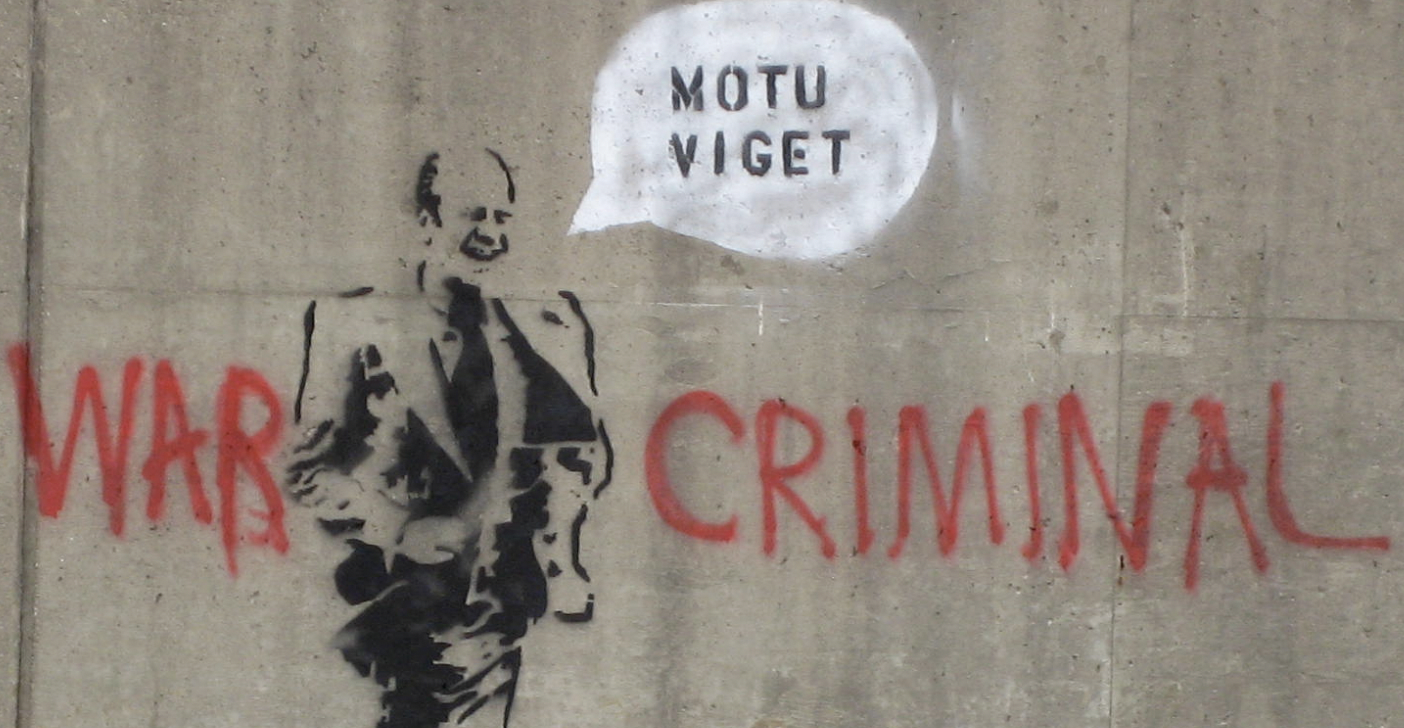
The Ford museum literature says that by pardoning Nixon, Ford helped restore confidence in the office of the presidency that negatively under the Nixon administration. Is this the reality or was it a way to sidestep any serious investigation of the illegal practices of the Nixon administration, which ultimately would lead people to see the very nature of the US Imperial Project? When Nixon’s crimes are mentioned what most people think of was the wiretapping of the Democrats before the election. What is usually omitted from the official record are Nixon’s war crimes in Vietnam, Cambodia, and Laos. This is what “official historians” mean when they say Ford healed the nation, that the American public was protected from the ugly realities of US foreign policy. Well, what are we being protected from? Looking at the brief history of the Ford administration might help us to answer that question.
Ford became Nixon’s Vice President in October of 1973 and was sworn in as President in August of 1974. He served as President until Carter took the oval office in January of 1977. Ford supported the repressive government in the Philippines in its counterinsurgency war against rebels. During the coup in Argentina in 1976, Ford supported the generals who took power and slaughtered thousands of dissidents. Under Ford the US provided millions of dollars in military aid to the right-wing movement in Angola known as UNITA. He negotiated military bases in Spain with the fascist dictator Franco. Ford maintained the illegal terror war and embargo against Cuba and was president during the final days of the US occupation of South Vietnam. But probably the foreign policy that best defines Ford was his support of the Indonesian invasion of East Timor.
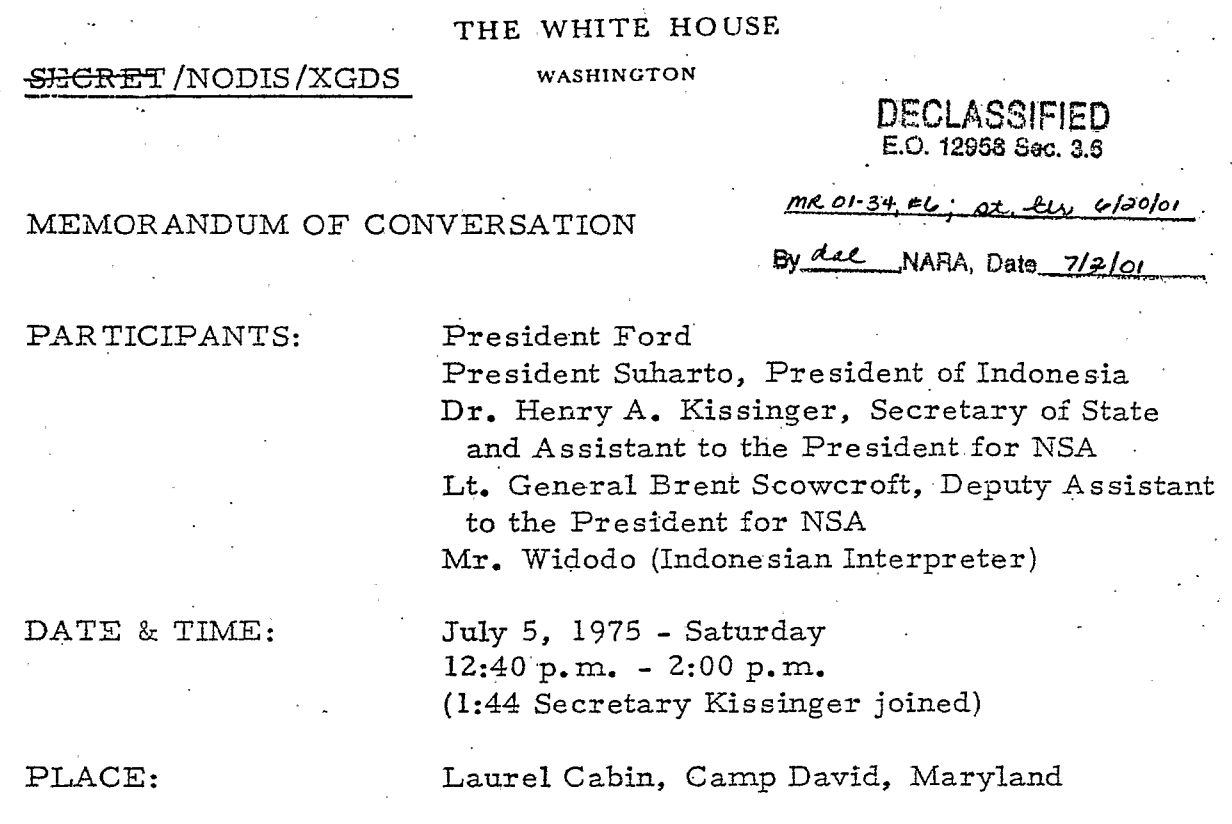 Much has been written about what took place in the meeting between Ford, Henry Kissinger, and Indonesian President Suharto on December 5th and 6th in 1975, but it wasn’t until December of 2001 when the National Security Archives finally obtained declassified documentation of what took place. What we now know is that Ford and Kissinger not only knew of the Indonesian plans to invade East Timor, but that they offered diplomatic and military support for the invasion, which became a multi-year and bloody genocidal campaign. In fact, the US role in the murderous campaign by the Indonesia military against the East Timorese people was one of the proportionately worst genocides of the 20th Century.
For additional information on this topic:
The National Security Archives FOIA documents on Ford & Kissinger’s visit with Indonesian President Suharto, just prior to their invasion of East Timor. https://nsarchive2.gwu.edu/NSAEBB/NSAEBB62/
895 Days That Changed the World: The presidency of Gerald R. Ford, by Graeme Mount.
 Grand Rapids Institute for Information Democracy
Trackbacks
Comments are closed.