Celebrating Earth Day is meaningless, unless you are against militarism
Earth Day began in the US back in 1970. Grand Rapids participated in the first Earth Day celebration, which I have written about previously.
Since 1970, Earth Day has often been presented as a feel good event, where people come together and engage in clean up projects or promote recycling, actions which do not threaten systems of power and generally maintain the status quo.
However, as the environmental movement grew communities of color around the country began to question the sincerity of the mostly white-led environmental groups. Not only did BIPOC people feel that what environmental groups were doing were too safe, what they focused on had little impact on the issues facing BIPOC people.
Beginning in the late 1970s, BIPOC communities realized that the environmental issues they were faced with were not on the radar of the white-led eco groups, such as respiratory issues, mining on Indigenous lands, farmworkers being exposed to pesticides, the lack of clean water and clean air, especially in urban spaces inhabited by BIPOC communities.
BIPOC communities eventually came together and created the Environmental Justice movement, a movement which has 17 guiding principles. These principles center the lived experience of BIPOC people, so they respect and embrace Native Sovereignty, they opposed corporate power, they respect workers rights and they denounce militarism. Principle #15 states:
Environmental Justice opposes military occupation, repression and exploitation of lands, peoples and cultures, and other life forms.
This principle, which opposes militarism is even more important today, especially when it comes to the US. The US military budget in the largest on the planet. In fact, the US military budget is bigger than the next 10 largest military budgets around the world combined.
In 2009, Barry Sanders wrote a book entitled, The Green Zone: The Environmental Cost of Militarism. In that book, which is 15 years old, the author states that if you look at all of the military vehicles, the tanks, the ships and the planes that the US military has in its arsenal, they consume 2 million gallons of oil per day (in 2009).
The US military also destroys eco-systems when they construct military bases around the world, of which there are some 800. The US military engages in significant levels of environmental contamination, such as all the toxic materials they use and the use of Depleted Uranium in many of the weapons they have been using since 1991. In addition, when the US military invades another country they not only kill people, but other species and they destroy until ecosystems.
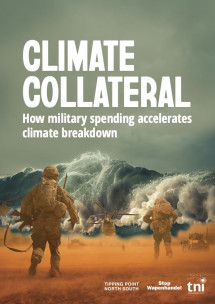 However, maybe the most egregious aspect of US militarism is its connection to the current climate crisis. An excellent study of the connection between militarism and Climate Change is a report from the Transnational Institute, entitled, Climate Collateral: How military spending accelerates climate breakdown. The introduction of the report states:
As the world’s climate negotiators gather for their annual summit (COP27) in Egypt, military spending is unlikely to be on the official agenda. Yet, as this report shows, military spending and arms sales have a deep and lasting impact on the capacity to address the climate crisis, let alone in a way that promotes justice. Every dollar spent on the military not only increases greenhouse gas (GHG) emissions, but also diverts financial resources, skills and attention away from tackling one of the greatest existential threats humanity has ever experienced. Moreover, the steady increase in weapons and arms worldwide is also adding fuel to the climate fire, stoking violence and conflict, and compounding the suffering for those communities most vulnerable to climate breakdown.
Another excellent report is from the Institute for Policy Studies, entitled, No War, No Warming: How Militarism Fuels the Climate Crisis. From the report’s introduction:
In this report, we’ll lay out how militarism and the climate crisis are deeply intertwined and mutually reinforcing. The military itself, we explain, is a huge polluter — and is often deployed to sustain the very extractive industries that destabilize our climate. This climate chaos, in turn, leads to massive displacement, militarized borders, and the prospect of further conflict.
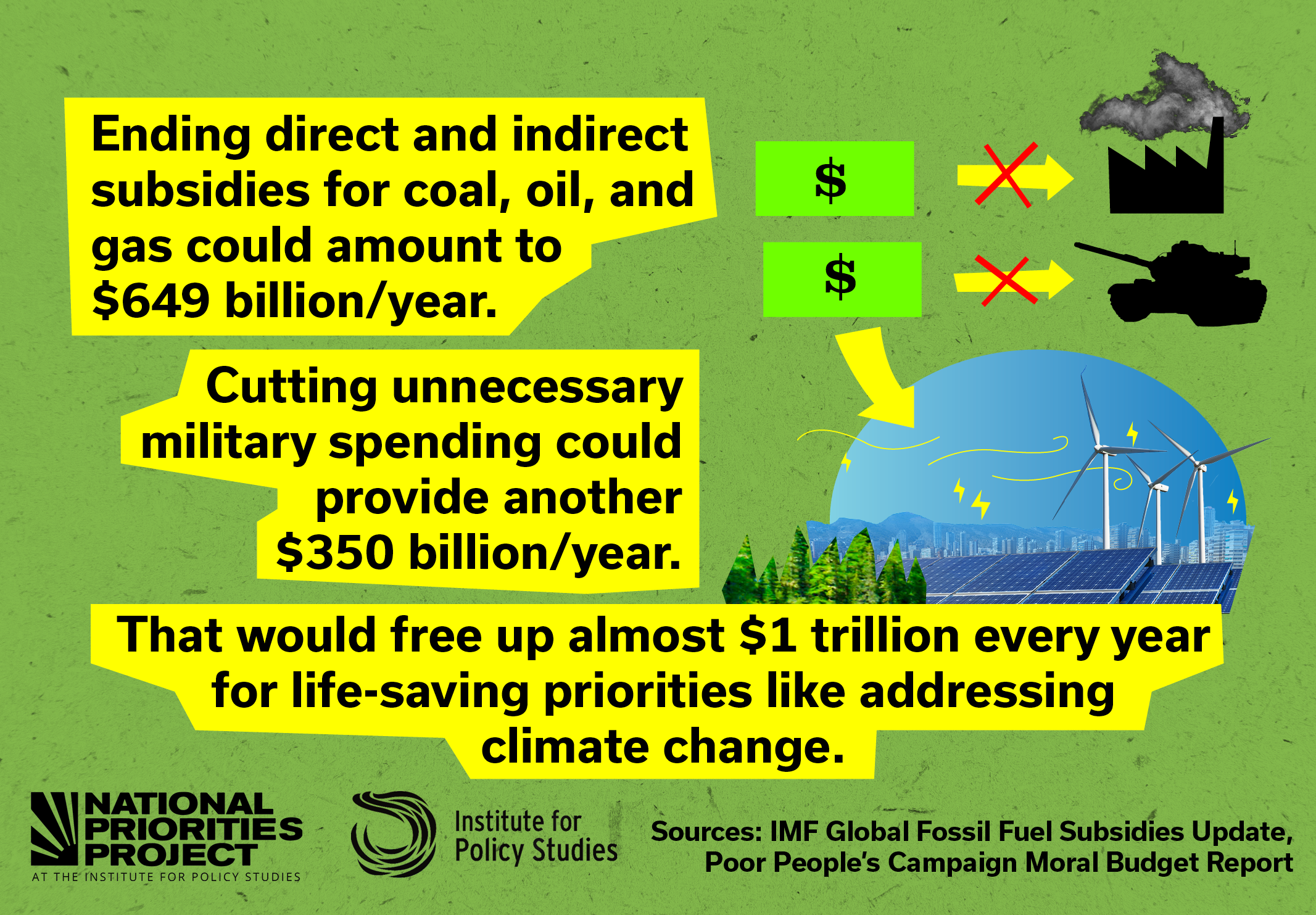
If you are a member of an environmental organization or make donations to them, I challenge you to make a pledge to not support those organizations until they commit to combating militarism. As long as the US spends more on militarism, it means we are not spending money to radically alter our energy system away from fossil fuels to renewable energy. As a country and as a world, we can no longer afford militarism, not if we are serious about trying to minimize the harm being done under the current climate crisis. You can’t call yourself environmentally conscientious and still support militarism.
On this Earth Day and every day, let’s commit to ending militarism and redirecting the financing of militarism to meeting the needs of humanity and reducing the human impact on eco-systems in our community, around the country and all over the world.

 Grand Rapids Institute for Information Democracy
Comments are closed.