House passes bill to censor TikTok: The Heritage Foundation agrees with Rep. Scholten that the legislation is meant to protect America’s youth
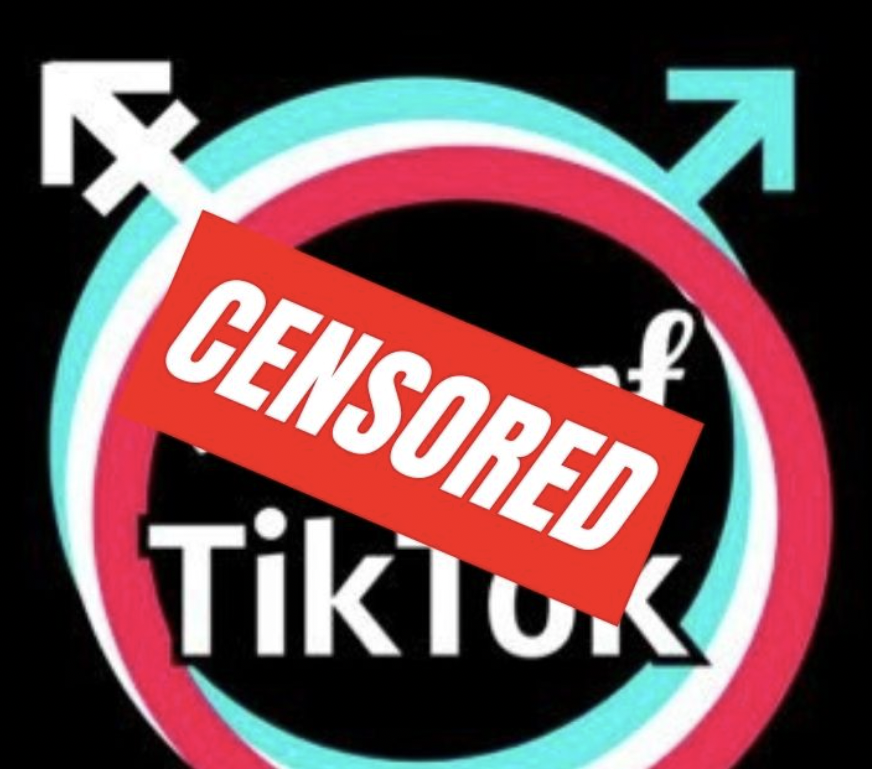 On Wednesday, March 13th, the US House overwhelmingly voted for H.R.7521, known as the Protecting Americans from Foreign Adversary Controlled Applications Act.
Every member of the House from Michigan voted in favor of the bill, except for Rep. Tlaib. Rep. Hillary Scholten, who represents the 3rd Congressional District, which includes Grand Rapids, said the following on her Facebook page:
“I just voted YES on the Protecting Americans from Foreign Adversary Controlled Applications Act. Misinformation abounds, but let’s be clear— this is NOT a ban on TikTok. It’s a necessary step to keep Americans’ data out of the hands of the Chinese Communist Party & protect our kids from foreign influence. TikTok can still continue in the United States…but not under the control of a foreign adversary.”
Interestingly enough, the far right think tank, the Heritage Foundation, shares the same sentiment as Rep. Scholten. They said in an article from last year:
“U.S. policymakers have a duty to safeguard America’s social fabric and protect young citizens from the whims of a hostile, foreign nation.”
Ok, so let’s be real. Virtually all social media is an invasion of privacy. Every time I search for a produce online, my Facebook feed then has numerous ads for that specific product and/or other brands. It is called Data Mining, and corporations have been doing it for decades. So why target TikTok? And why doesn’t the US Congress apply the same approach to Facebook? Facebook engages in data mining and they have a history of sharing information with the US government.
The reason seems to be that while US government can get Facebook to turn over data on the public, the Chinese government cannot be trusted. US is good and benign, the Chinese government is bad and evil.
Several national groups have come out against this legislation. The ACLU recently posted the following statement:
“We’re deeply disappointed that our leaders are once again attempting to trade our First Amendment rights for cheap political points during an election year,” said Jenna Leventoff, senior policy counsel at the American Civil Liberties Union. “Just because the bill sponsors claim that banning TikTok isn’t about suppressing speech, there’s no denying that it would do just that. We strongly urge legislators to vote no on this unconstitutional bill.”
The ACLU has repeatedly explained that banning TikTok would have profound implications for our constitutional right to free speech and free expression because millions of Americans rely on the app every day for information, communication, advocacy, and entertainment. And the courts have agreed. In November 2023, a federal district court in Montana ruled that the state’s attempted ban would violate Montanans’ free speech rights and blocked it from going into effect.
Like Montana’s blocked TikTok ban, this legislation would forbid app stores and internet service providers from offering TikTok so long as the company remains under foreign ownership. The proposed legislation would also let the President block other foreign-owned apps that they deem a national security threat.
The Electronic Frontier Foundation has also taken a strong stance against this legislation. On Tuesday, they posted a statement, which partly says:
“Make no mistake—though this law starts with TikTok specifically, it could have an impact elsewhere. Tencent’s WeChat app is one of the world’s largest standalone messenger platforms, with over a billion users, and is a key vehicle for the Chinese diaspora generally. It would likely also be a target.
The bill’s sponsors have argued that the amount of private data available to and collected by the companies behind these applications — and in theory, shared with a foreign government — makes them a national security threat. But like the RESTRICT Act, this bill won’t stop this data sharing, and will instead reduce our rights online. User data will still be collected by numerous platforms—possibly even TikTok after a forced sale—and it will still be sold to data brokers who can then sell it elsewhere, just as they do now.”
MLive reported that the bill will now head to the US Senate, but that President Biden has already stated that he will sign the bill into law. Unfortunately, the MLive piece did not explore the intent of the legislation nor the larger political and social implications.
A good example of a critical perspective on the House passed legislation to censor TikTok, would be an interview done recently by Democracy Now! with Ramesh Srinivasan, professor of information studies at UCLA. Here is an excerpt from that interview:
“It’s disenfranchising to many young people in the United States. It is alienating to them. And it is singling out TikTok and China without any evidence whatsoever that they are engaging in any nefarious or spying activity or are any more extreme in their algorithms and their ways in which they polarize American users than any of the Big Tech companies, you know, which we’ve discussed before. So, it’s absurd and it’s theatrical for people like Mark Zuckerberg, etc., to be paraded in front of Congress multiple times, and even publicly shamed, while the actual legislation that takes roots is one that singles out TikTok, primarily because it’s a Chinese company, and possibly because it’s so prominent amongst Americans and young people in general in this country.”
 Grand Rapids Institute for Information Democracy
Comments are closed.