Interview with Delia Fernandez-Jones: Making the MexiRican City: Migration, Placemaking, and Activism in Grand Rapids, Michigan.
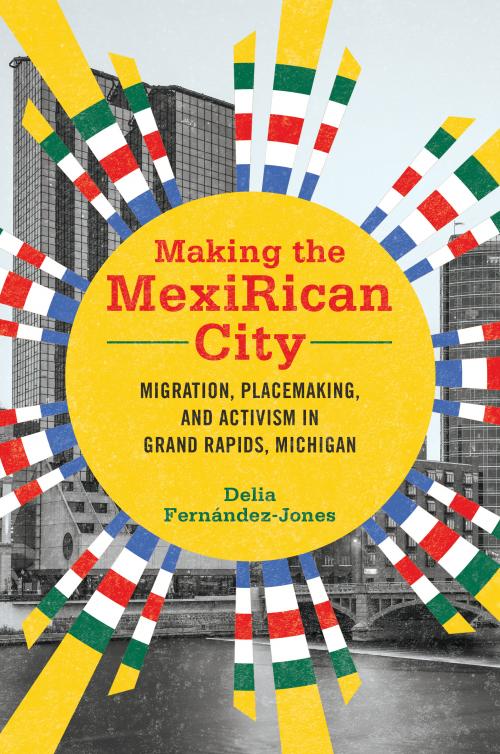 On Thursday, June 22nd, GRIID interviewed Delia Fernandez-Jones, Professor of history at MSU and author of the recent book, Making the MexiRican City: Migration, Placemaking, and Activism in Grand Rapids, Michigan.
This interview is 25 minutes and 30 seconds long, plus we include the interview questions here below. At the end of the video interview, Delia said these were the best interview questions she has been asked about the book since it came out.
GRIID – What motivated you or inspired you to write this book?
GRIID – You told me in a previous conversation that you grew up in Grand Rapids and that your family ran a business here. How did that lived experience impact how you approached the book?
GRIID – Your book focuses primarily on the Mexican and Puerto Rican diaspora population in Grand Rapids, between the 1950s and the late 1970s. What was it about this time period that compelled you to write about it?
GRIID – There were some interesting entities that existed in the period covered in your book, probably none more so than the Latin American Council. What sort of things did this entity accomplish during the years it was in operation?
GRIID – What have been some of the largest challenges for the communities that you wrote about, especially considering how entrenched the white, conservative power structure is in Grand Rapids?
GRIID – In your book, you talk about some individuals who thought that the Latin American Council was too mainstream and that they were presenting a more radical approach to making change. In other cities there were groups like the Brown Berets or the Young Lords, but these movements did not exist in Grand Rapids, so do you think that those challenging the LAC were politically radical?
GRIID – The Latin American population has become even more diverse in Grand Rapids in recent decades, especially with the large Central American population. How has this shift in the make up of Latino/Latinx population been a benefit and/or a challenge to the previous generations of Mexican and Puerto Ricans in Grand Rapids?
 Grand Rapids Institute for Information Democracy
Comments are closed.