New Media We Recommend
Below is a list of new materials that we have read/watched in recent weeks. The comments are not a “review” of the material, instead sort of an endorsement of ideas and investigations that can provide solid analysis and even inspiration in the struggle for change. All these items are available at The Bloom Collective, so check them out and stimulate your mind.

On the Ground: An Illustrated Anecdotal History of the Sixties Underground Press in the US, edited by Sean Stewart – As someone who used to edit an independent newspaper, I can appreciate the effort it takes to put one together. On the Ground is a fabulous collection of reflections, graphics, cartoons and artwork from some of the best radical left newspapers in the US during the 1960s. What made this book so interesting was a combination of the stories by those involved and the images provided that presents a rich visual history of what people were thinking and organizing around during that period. The book includes examples from underground papers such as the Berkley Barb, The Black Panther, East Village Other, Rag, Screw, Seed, the Liberation News Service and Up Against the Wall Motherfucker. A fabulous account of what Indy Media looked like in the 1960s. Every page is a delight.
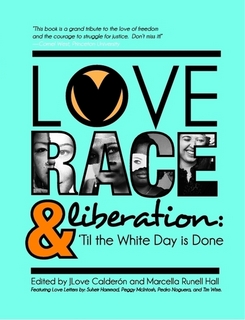
Love, Race & Liberation: Til the White Day is Done, edited by JLove Calderon and Marcella Runell Hall – Having participated in numerous workshops and forums on issues of racism and White privilege, it has been my experience that the material often used is either too superficial or doesn’t honestly address the real causes of racism, particularly institutional racism. Love, Race & Liberation is a collection of lesson plans, interviews and love letters put together my some of the most committed racial justice educators/activists in the country. The lesson plans address issues such as history, White privilege, being an ally, affirmative action, media, cultural appropriation and the prison industrial complex. In addition to these fabulous lessons plans there are numerous letters, what the editors have dubbed love letters, from seasoned anti-racism activists such as Sonia Sanchez and Tim Wise to a group of young activists who are breaking new ground doing the hard work of anti-racism education and organizing. A great resource for anyone serious about confronting White privilege and institutional racism.
About Face: Military Resisters Turn Against War, edited by Buff Whitman-Bradley, Sarah Lazare and Cynthia Whitman-Bradley – The courage and actions of US war veterans who served in Iraq and Afghanistan are sometimes the subject of commercial news, but on one condition. Those veterans have to be supporters of the ongoing wars. Rarely do we hear the voices and perspectives of US war veterans who have become opponents of US policy in Iraq and Afghanistan. About Face is a collection of such stories, where we hear from men and women who are now some of the most articulate and passionate anti-war resisters in the country. These stories are a necessary component for creating a viable anti-war movement in the US, one that has been stagnant at best since the election of Obama. These stories tell how US soldiers became radicalized by witnessing first hand the brutality of US policy abroad. In addition, the collection of war resister stories includes a great interview with Noam Chomsky in the beginning and ends with an interview with Daniel Ellsberg talking about the courage of Bradley Manning.

The Filter Bubble: What the Internet is Hiding from You, by Eli Pariser – Daily we are told that the Internet has done so many wonderful things for humanity. In fact, anyone even hinting at the potential downsides of living in the digital world are quickly branded as Luddites. This is why Eli Pariser’s book The Filter Bubble is so important. Pariser, who does online advocacy work, wrote this book through his own investigation on who companies like Google and Facebook have an increasing influence over online content. Going directly to the sources, Pariser unearths’ information about how these giant information age companies are determining what kind of information we see. The books addresses the fact that the public has virtually no say in the structural dynamics of information access, even though we often assume that the major Internet content providers are content neutral. Pariser not only debunks that myth, he demonstrates how these companies are constantly collecting personalized data to determine even more of what content we will be exposed to. All of this is of course in the service of capital, which Pariser doesn’t address adequately. The other downfall of the book is that it offers very weak suggestions about what we can do to challenge the growing power of the likes of Google and Facebook. However, despite its shortcomings, the book is valuable in helping us come to terms with the function of Internet content providers and other social media networks, a function which has little to do with democracy.
 Grand Rapids Institute for Information Democracy