Building Sisterhood in Afghanistan? West MI soldiers and the US Occupation

Today, the feature story on MLive was about West Michigan soldiers being deployed to Afghanistan in a new effort to “win the hearts and minds of Afghani women.”
This has been the stated policy of the US military over the past few years, but the difference in this case is that the US soldiers are women who will be used to develop relationships with Afghan women in order to obtain information for the now 10-year US occupation of Afghanistan.
The article cites three of the female soldiers who are tasked with the mission to gain access to Afghan women and one male officer, all who speak in generalities about the mission and how they hope it will be a benefit for the war-torn country.
The GR Press article also includes to related stories, one that profiles one of the female soldiers while the other linked story talks a bit more about the role of these women in the US mission.
Like much of the coverage of the US occupation of Afghanistan in the Grand Rapids Press, this story accepts as truth the motives for the 10-year US occupation of Afghanistan as being to promote democracy. No other perspective is provided, whether it is an anti-war perspective or that of the Afghani people.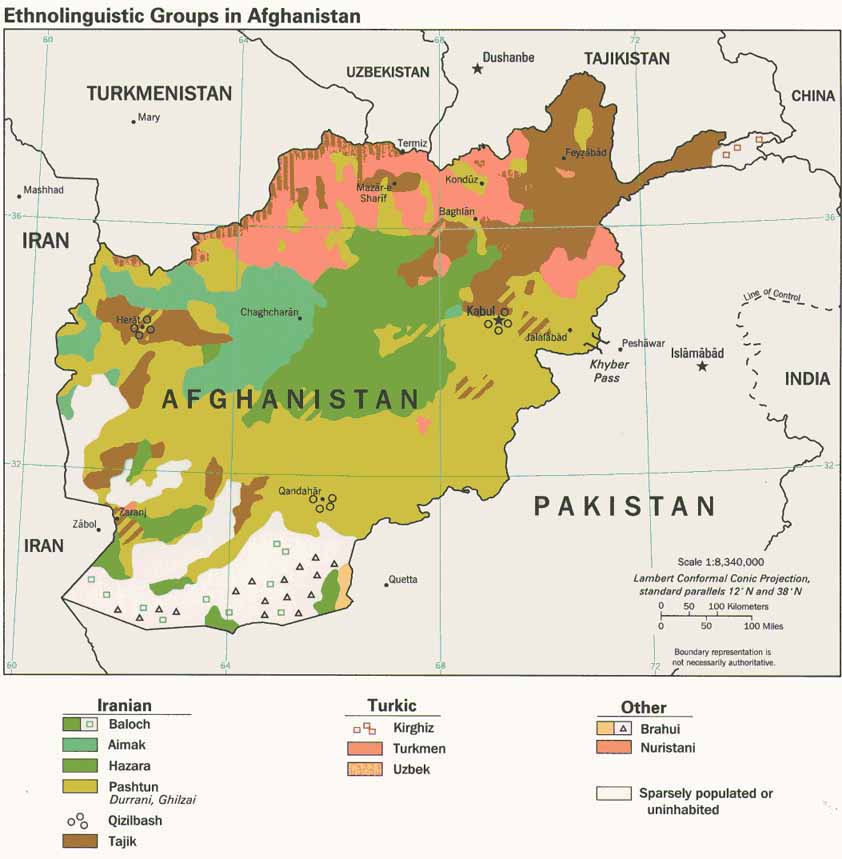
The MLive article does say that the US female soldiers are being exposed to two of the Afghani languages and “cultural standards of this Islamic nation.” As for being exposed to two of the dominant languages of the country, it ignores the fact that Afghanistan is a country of tribes that was created by the British, which makes the idea of national languages a bit misleading since there is tremendous linguistic diversity in the country as you can see from this map.
However, the most insidious aspect of this Press article is the refusal to question the motives for the US occupation of Afghanistan. The Press reporter does not question the US military narrative nor does he present other perspectives, such as this brief video analysis of the 10-year US military occupation by Rethink Afghanistan.
Since the Press story focuses on what US women soldiers will be doing in Afghanistan, gaining access to Afghan women, it would be important for those of us in the US to come to terms with what Afghan women are doing and what they want.
One could start by listening to the words of a former member of the Afghan Parliament, Malalai Joya, who has been calling for an immediate withdraw of US/NATO military in recent years.
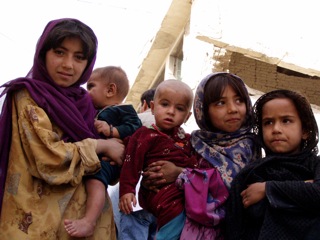
Those of us in the US might find it valuable to understand what women are doing to make life better in their own country. The Afghan Women’s Mission has several projects that deal with the important work around health care, education, orphanages, emergency relief and self-sufficiency.
The Afghanistan Analysts Network (AAN) featured another important aspect of the role of women recently. In an October 2011 publication by AAN they present information about how women are playing a major role in the efforts to develop national reconciliation. The AAN cites three major reports on the work of women and state:
“The hook for all three reports is transition and reconciliation, but what they catch is much broader, it is the day to day struggles of women to advance their rights in a context that is conservative, violent and unpredictable. The reports do refer to the often cited and important advances made for women’s rights, such as an emphasis on equal rights in the Constitution, but even more so they focus on the careful work done by women to ensure that their presence in the public space and in work places is again accepted, and their organizations are able to operate.”
Women in Afghanistan have struggled tremendously for the past three decades, from foreign occupation (Soviet and US) and the inhuman policies of their own men, which has included the Taliban, the Mujahadeen and the current Karzai administration.
Understanding this history of the treatment of US women and understanding what many women in Afghanistan are yearning for is the kind of information that those of us in the US need to know. Presenting US female soldiers role is the ongoing occupation does not further that understanding, rather it presents a misleading picture of a humane interaction between women from both nations.
It is worth watching an excellent video that looks at current treatment of women in Afghanistan and what they feel about the US occupation.
 Grand Rapids Institute for Information Democracy