The Nexus between Economics and Domestic Violence
This afternoon the Domestic Violence Community Coordinated Response Team (DVCCRT) hosted a presentation by Dr. Christopher Maxwell, a university professor who spoke about the impact of the economic crisis, particularly home foreclosures, on intimate partner violence.
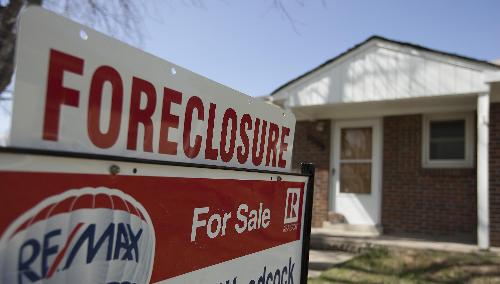
Dr. Maxwell, in his research clearly has determined that the massive level of home foreclosures is related to the increase in numbers of domestic violence. Having said that, the speaker made it clear that there is not a great deal of empirical evidence that makes that link, especially when looking at the current economic/foreclosure crisis. Recently, the Department of Justice has determined that it was important to provide funding to people like Dr. Maxwell who is now in the process of publishing a report that seeks to determine those connections.
In determining some parameters for his research he looked at three ways of measuring the data – employment, income and income/status incompatibility, meaning whether or not the differences in incomes between partners plays a role in domestic violence. He makes clear that usually none of these factors by themselves lead to domestic violence, rather a combination of these stress factors are determinants for an increase in domestic violence.
In looking at the literature on each of the determining factors, the speaker pointed out that having employment is not always a positive factor, since many people have multiple jobs in order to make ends meet, which also causes tensions in relationships and can lead to increased numbers of domestic violence.
Dr. Maxwell did acknowledge that there were cases in his research, which showed that turning times of economic stress that partners have become closer, relying on each other, thus developing stronger relationships. However, he said this was not the norm.
A question was asked about the impact of home foreclosure that are random in neighborhoods as opposed to those where there are clusters of foreclosures. Dr. Maxwell said that the consequences of multiple home foreclosures in neighborhoods have larger and lasting impact not only to the families that lost homes, but the families that remain since it causes social trauma for everyone in the neighborhood. Crime statistics tend to go up in neighborhoods that have multiple home foreclosures and remaining families have increased stress factors due to having a diminished sense of community.
The other area of research that Dr. Maxwell has invested years of work in is on the impact of social service intervention on whether or not domestic violence reoccurs with people who have had some sort of assistance or intervention and those that have not.
One of the points that he stressed was that intervention does not necessarily end domestic violence, but that it often will decrease the frequency of those acts of violence between intimate partners.
The research he presented (based on studies in 5 cities across the country) showed that there was a modest decrease in domestic violence based upon arrest and other forms of intervention. However, when interviewing victims of domestic violence roughly 70% said that there was a decrease in domestic violence when there was an intervention, whether or not it involved an arrest.
However, when prosecution, conviction and sentencing of domestic violence perpetrators were studied the data showed that disproportionately there was no indication that these forms of intervention reduced the number of repeat offenders.
When asked about the impact of political intervention, such as anti-foreclosure organizing, and whether or not that has a positive impact on families and intimate partners facing foreclosure, Dr. Maxwell said that this type of intervention does help those relationships. On the flip side of this, if people experience or perceive procedural injustice (that the system does not treat them fairly), does that contribute negatively to stress and domestic violence? Dr. Maxwell said that it does impact domestic relations because people will often say “why should I play by the rules when the system does not treat me fairly?”
While the presentation was limited and raised a lot of questions it did bring home the fact that there are layers of consequences to home foreclosure beyond just economics. It is important that we not only acknowledge this fact, but that we factor it in to whatever actions we take to support people who are faced with home foreclosure and what kind of organizing needs to happen that will take into consideration factors beyond economics.
 Grand Rapids Institute for Information Democracy