Urban Farming Pilot Project Community Dialogue Session
Yesterday I attended an event that was billed as a “Community Dialogue” by people who had participated in what is called the Urban Farm Pilot Project. The project was facilitated through the GRCC Keller Future Center. However, yesterday’s gathering took place at the Goei Center, operated by Bing Goei, a member of the GR Chamber of Commerce and a current candidate for State Representative.
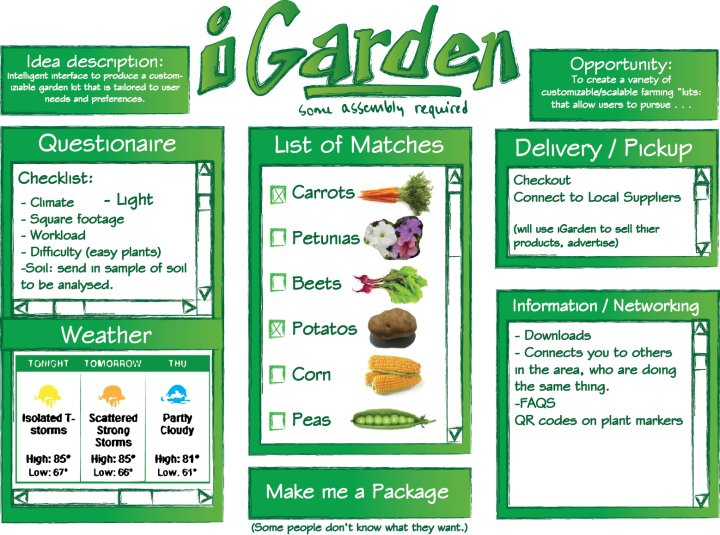
Some of the participants presented brief overviews of the various projects that small teams worked on, projects such as an Urban Agriculture Learning Lab, a Regional Food Awareness Communication Tool, Change through Farming Kits, Food Production and good health, and Indoor Farming.
All of these projects had some interesting ideas and you can look at details online, but what I found somewhat troubling was the heavy emphasis on these projects as being implemented within the private sector. Participants generally referred to these projects as having entrepreneurial potential. They also spoke primarily in terms of how these projects could connect businesses with customers.
Such a focus excluded any honest discussion on who would be the primary beneficiaries of such a project and who would not. Since most of the discussion focused on the business sector, people who are currently living in parts of the community that have limited access to healthy food, low income and disproportionately minority population were not really part of the conversation.
Project participants talked about how this project could enhance their career portfolios, but not how these projects could potentially create more equality and promote more justice in the community.
The emphasis on the entrepreneurial aspect of the project was underscored when one of the facilitators listed community partners in the project – the West Michigan Strategic Alliance, the Right Place Program, GR Chamber of Commerce, GVSU Center for Entrepreneurship, a consulting firm and several local design firms. Food was also donated to the project teams throughout their seven weeks by San Chez restaurant.
People from GRCC said they were interested in promoting a knowledge economy, with the triple bottom line (profit, people & planet) as the framework. They used language like trend analysis, asset mapping, talent retention, and even agro-hubs. What wasn’t discussed so much were concrete ways to use more urban space for growing food, how to involve more people and how eat healthy and local was a right, not just a smart business plan.
The morning ended with people being asked to provide feedback on a series of questions, which initially I thought were for the purposes of getting more input on urban agriculture. Instead, the point of the small group discussions was to answer predetermined questions that would help GRCC determine ways to get more people interested in other Future Center projects. In many ways I felt like they were not interested in what the community had to say or contribute, unless it fit into a process the project organizers had already determined.
 Grand Rapids Institute for Information Democracy